Fat grafting takes fat from one part of your body, prepares it and places it where volume is missing. Used in reconstruction, it softens depressions, pads thin cover and can improve the feel of scarred skin.
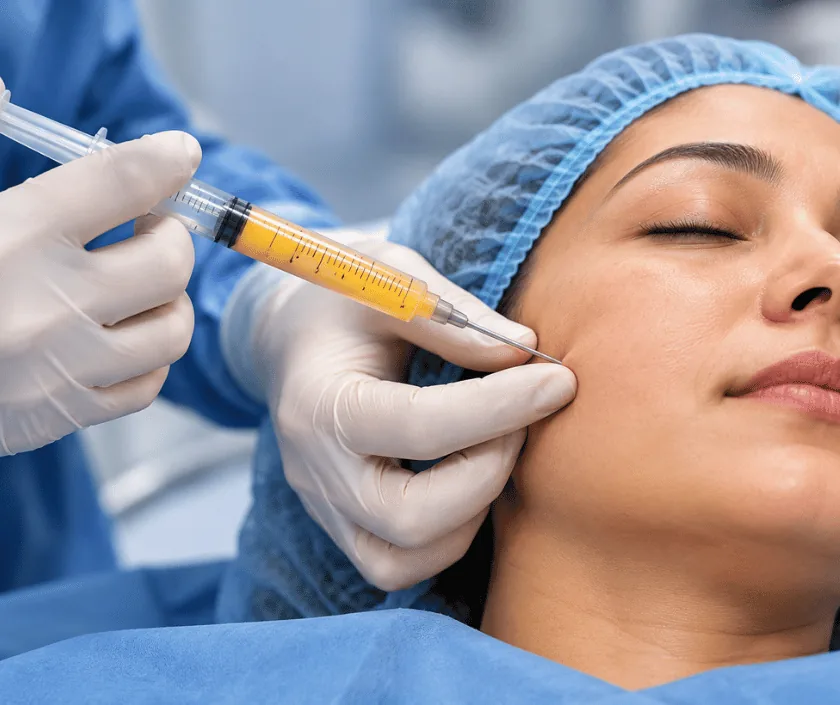
Fat grafting moves your own fat from an area such as the abdomen or thigh into a site that has lost volume. The fat is drawn out through a small cannula, cleaned and injected in fine layers. Part of the graft settles and part is absorbed, so more than one session is often needed.
Fat is a living tissue, not merely a filler. When it is harvested gently and placed in fine strands, a share of it picks up a new blood supply and stays. That is the principle behind fat grafting, or lipofilling, which has become a routine part of reconstructive work rather than a purely cosmetic technique.
In reconstruction the aim is usually to replace lost bulk. Depressions after trauma, contour dips following tumour removal, thin cover over an implant or a bony area, and hollow scars all respond to added volume. Surgeons also use it to improve the quality of skin that has been burned or irradiated, since grafted fat carries cells that appear to help tissue soften.
Two areas are involved in every case. Fat is taken from a donor site such as the abdomen, flank or thigh through small entry points, then processed to remove fluid and blood before it is injected. Because part of the graft is reabsorbed, the plan often allows for a repeat session once the first result has settled.
Suitability depends on having enough donor fat, a settled recipient site and realistic expectations about how much volume will remain.
The defect is measured and a donor area chosen. Marks are drawn while you stand, and the likely volume needed is discussed, including the possibility of a further session later.
Through small entry points, fat is drawn out with a fine cannula using gentle suction. The technique is deliberately slow, because rough handling damages the cells that need to survive.
Harvested fat is left to separate or is spun to remove blood, fluid and oil. What remains is the portion with the best chance of taking in its new position.
Using a blunt cannula, fat is laid in fine threads across several tissue layers. Spreading it this way gives each strand contact with living tissue and a better blood supply.
Entry points are closed with a stitch or tape and the donor area is supported with a garment. Review follows over the coming months as swelling settles.
Bruising and soreness are most noticeable at the donor site. Swelling at the treated area makes it look fuller than the final result. Simple pain relief usually suffices.
Bruising fades and most people return to office work. Pressure on the grafted area is avoided, and the support garment is worn as instructed.
Swelling has largely settled and the shape becomes clearer. Exercise is normally resumed by this stage unless you are advised otherwise.
The surviving graft has stabilised, so this is when the result is judged. A second session can be planned if more volume is wanted.
Expect the treated area to look overfilled at first and to settle over weeks. Only a share of the transferred fat keeps its blood supply and remains, and that share differs from person to person. Surgeons therefore plan in stages, judging the result at several months and adding a session if needed. Fat grafting refines contour and softens tissue, but it does not rebuild large structural losses on its own.
The technique is well established, though it involves two surgical sites and the risks of both should be clear before you agree.
Grafted fat needs a settled bed with a good blood supply, so the first weeks are mostly about protecting it.
A portion is reabsorbed during the first months. Surgeons expect this and plan volumes and sessions around it.
It is used widely in reconstruction to pad thin cover, soften scars and restore contour after injury or tumour surgery.
Grafted fat behaves like the fat it came from, so a significant change in weight can alter the treated area.
Many reconstructive cases are planned as more than one sitting, with the second judged only after the first has settled.
At Elegance Clinic in Surat, fat grafting is planned as part of a wider reconstructive plan rather than sold as a standalone add on, with the likely number of sessions discussed openly.

The cost of fat grafting depends on the volume transferred, the number of donor and treated sites and whether it is done alone or alongside another operation. Anaesthesia and theatre time change with the size of the case. After examining you we share a written estimate, and if a second session looks likely we say so before you commit.
These are the questions that come up most often in consultation. If yours is not here, send it on WhatsApp and the team will reply, usually the same day.
Ask your question →Cost depends on how much fat is transferred, how many sites are treated and whether the procedure is combined with other surgery. Anaesthesia and theatre time also vary. A written estimate follows the consultation, and any likely second session is priced honestly at that point.
Using your own tissue avoids rejection, and the technique is well established. Risks include infection, bruising, lumps within the graft and irregularity at the donor site. Most of these settle, and all of them are explained in detail before surgery.
Most people manage desk work within a week, with bruising at the donor area fading over two to three weeks. Swelling at the treated site settles more slowly. Exercise usually resumes by around six weeks unless you are advised differently.
Only a portion of transferred fat keeps a blood supply and remains, and that portion differs between people and sites. The area looks fuller at first and settles over months. Judging the result at around six months is the fair approach.
Enough donor fat is needed, so very lean patients sometimes have limited options or need smaller staged transfers. Suitability is assessed by examining possible donor areas and matching them against the volume the defect requires.
Wounds should be healed and the area reasonably settled first, since grafting into inflamed or infected tissue is avoided. Timing is decided by how the site looks at examination rather than by a fixed interval after the original injury.
The area needing volume is examined and photographed, and donor sites are assessed while you stand. Expected volume, the chance of a further session and the recovery routine are discussed, followed by a written estimate before anything is booked.
Seeing patients from across the city and beyond: read about the practice on the plastic surgeon in Surat page, or check what a written estimate covers on the costs and insurance page.
