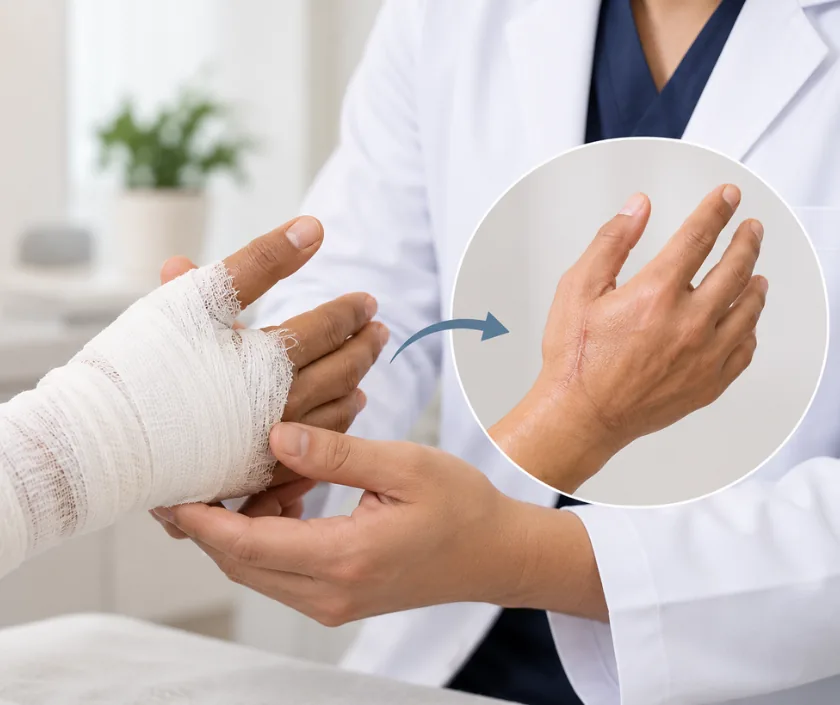
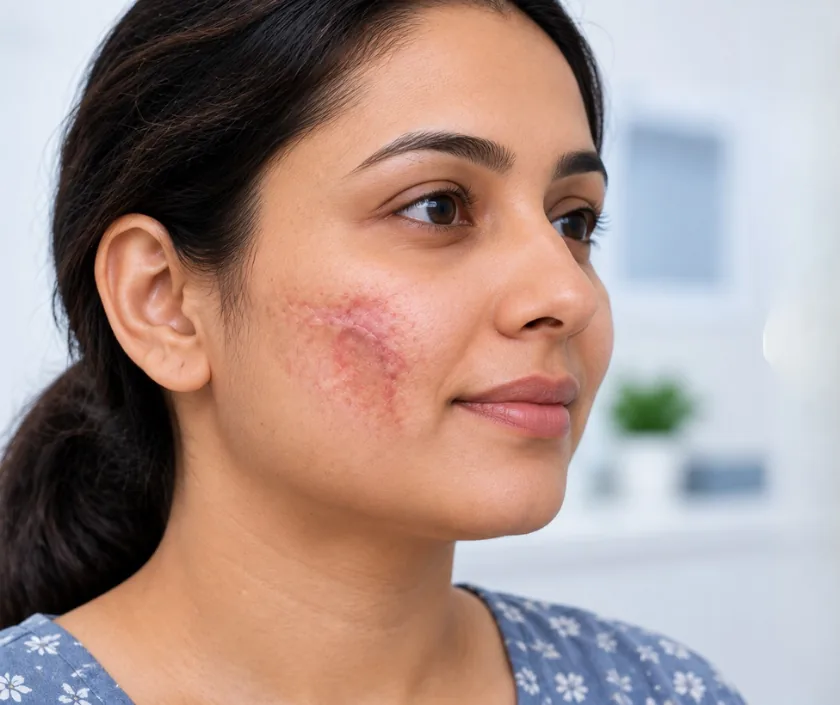
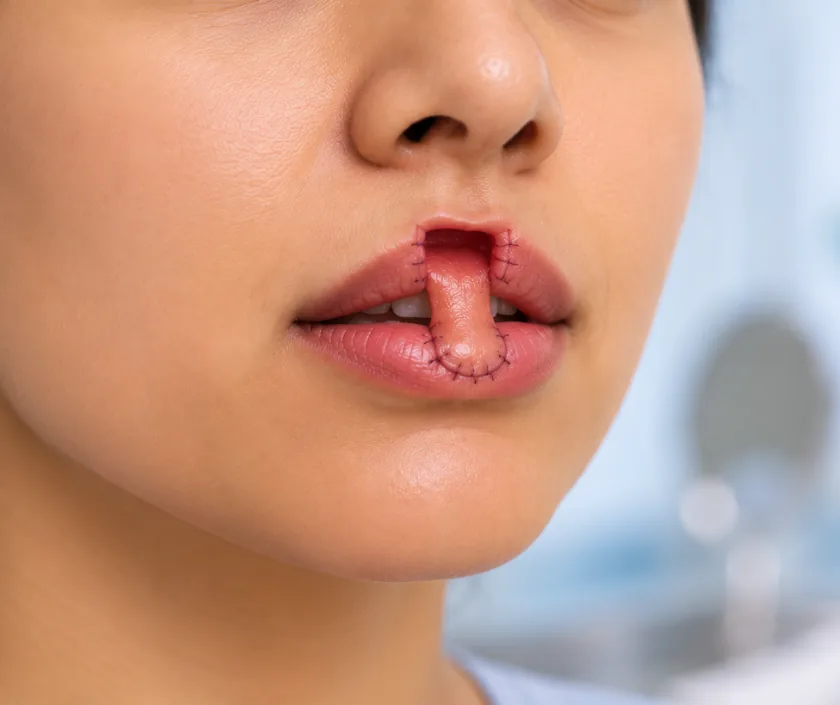
Facial lacerations, degloving injuries, bites and soft tissue loss, repaired in layers so that function and appearance both recover.
Anyone with a facial wound, an animal or human bite, a degloving injury or soft tissue loss after an accident.
Wound assessment, photographs, tetanus and infection review, and a repair plan, immediate where the wound allows it.
Emergency theatre access for acute wounds; microscope equipped theatre for flap reconstruction.
Accidental injury repair is generally payable under mediclaim and accident cover.
Each category opens a hub with its own treatment pages and patient information.
Nothing here is improvised. The sequence below is how care in this specialty is actually organised, and your own written plan follows it.
Thorough washout, removal of dead tissue and layered closure along natural skin lines wherever the wound allows.
Wounds with tissue loss are dressed and planned for graft or flap cover once the bed is clean.
Repairs across the eyelid, lip and nose are checked for function, opening, closing, sealing, before appearance.
Scars are reviewed at maturity and revised where they distort a feature or cross a natural line.
"A facial wound closed correctly the first night rarely needs an apology later."
Soft tissue trauma is repaired in anatomical layers, muscle to muscle, lining to lining, so the face moves normally when it heals.
Referrals arrive from hospitals across South Gujarat; theatre and imaging are coordinated while the patient travels.

Published with documented patient consent, generalised for age and sex, in line with advertising norms applicable to medical practitioners in India.
Published bands are for Surat and include surgeon, anaesthesia, theatre and standard stay. Where a band is not published, a written estimate follows examination. Cover under mediclaim and schemes is confirmed before admission.
Ask for an estimate →These are the questions that come up in consultation most often. If yours is not here, send it on WhatsApp and the team will reply, usually the same day.
Ask your question →Wounds crossing the lip border, eyelid, nose or cheek benefit from layered repair along natural lines, which is the routine plastic surgical approach. The difference shows a year later in the scar.
Most facial wounds can be closed primarily within 24 hours if they are clean. Bites and contaminated wounds may need washout and delayed closure, which is decided at examination.
Not always. Superficial bites may be managed with washout and dressings, but bites with tissue loss, deep punctures or facial involvement usually need surgical repair, along with rabies and tetanus cover.
Every wound leaves a scar. Placing the repair along natural skin lines and managing the scar with silicone and sun protection keeps most scars inconspicuous by nine to twelve months.
Repair after accidents is generally payable under mediclaim and accident policies. Pre authorisation is raised where the admission allows time, and documentation is completed for reimbursement in emergencies.
Press on the wound with a clean cloth to slow bleeding, keep the part raised if you can, and cover it lightly. Avoid putting powders, oils or home remedies inside the wound, and go to hospital rather than waiting to see if it settles.
Any wound that breaks the skin can carry tetanus risk, so protection is checked at the first visit and given when it is due. Bring any vaccination record you have, because it changes what is advised.