Replantation means reattaching a part of the body that has been completely cut off. Bone is fixed first, then tendons, then the small arteries and veins are stitched under a microscope so blood flows again, and finally the nerves and skin. It is emergency work, and the clock starts at the moment of injury.
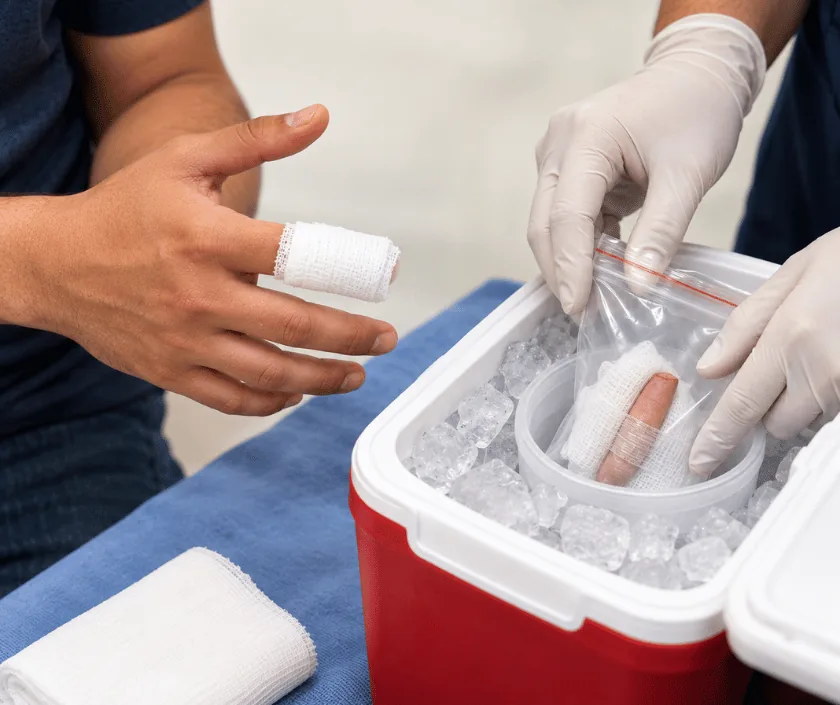
Not every severed part can or should be reattached. A clean cut through a thumb is very different from a hand pulled off in a machine, where tissue is crushed along a long stretch and the vessels are torn beyond repair. Surgeons weigh how the injury happened, how much time has passed, the age and health of the patient, and how useful the part would be afterwards. When replantation is not sensible, tidying the stump or rebuilding later often gives a better working hand. That conversation is had honestly, and usually within the first hour of arrival.
The level of the cut and the way it happened decide what is possible. Both are judged before any promise is made about reattachment.
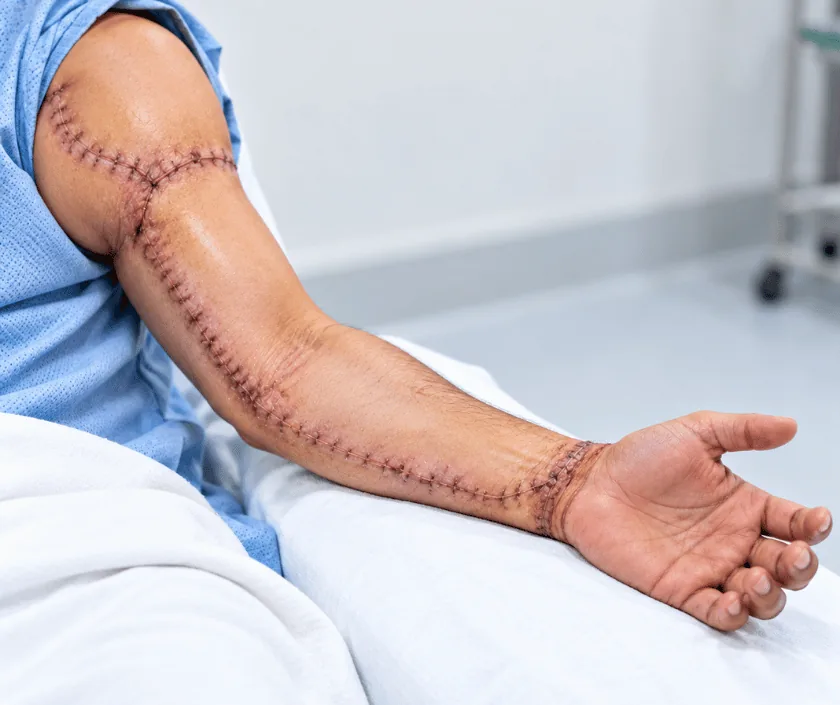

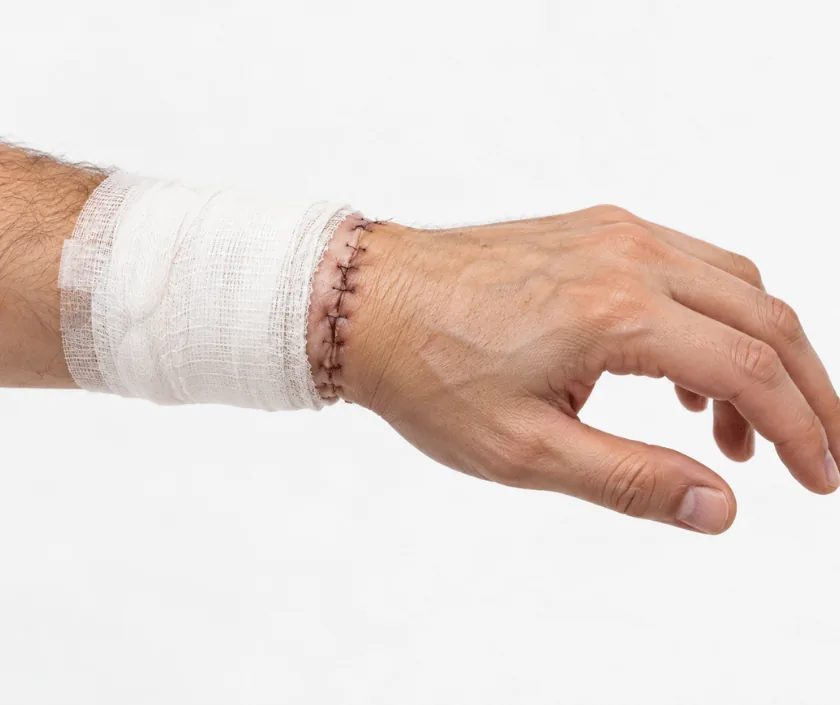
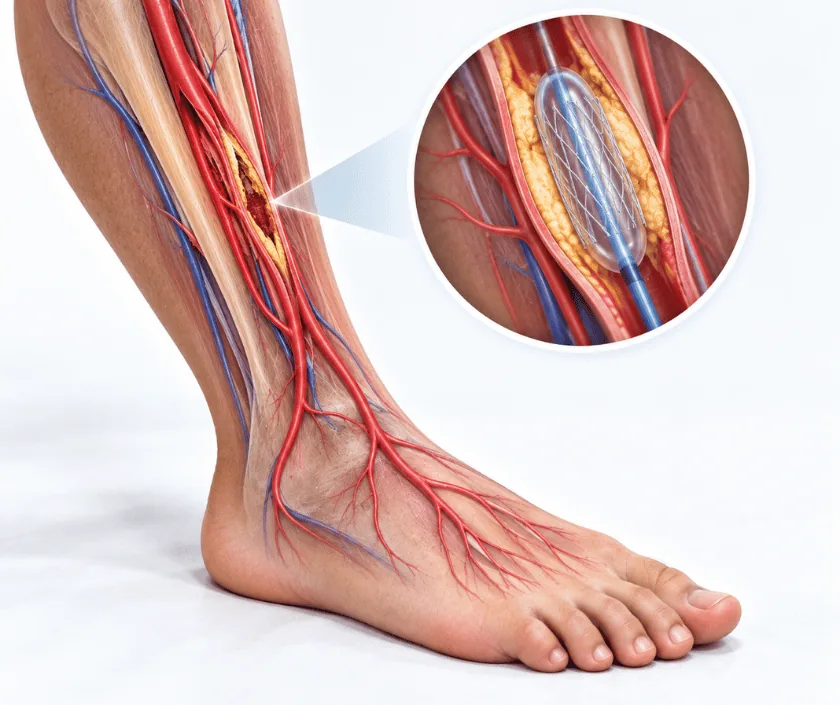
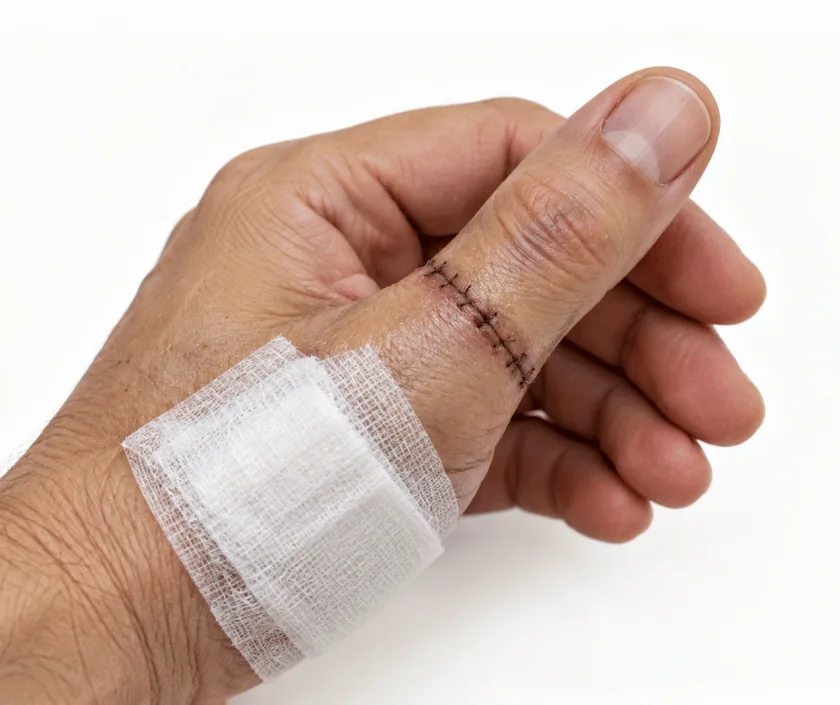
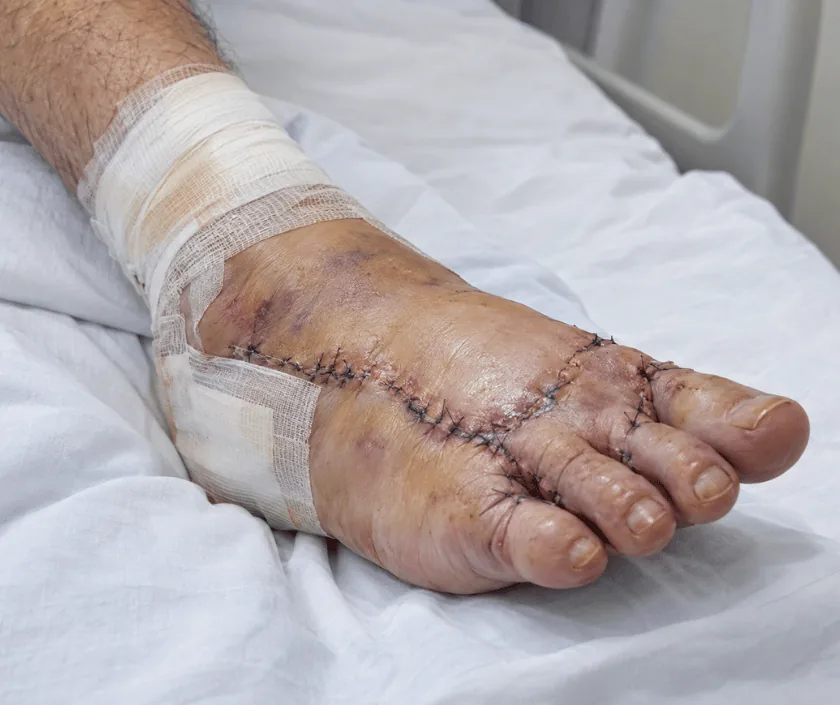
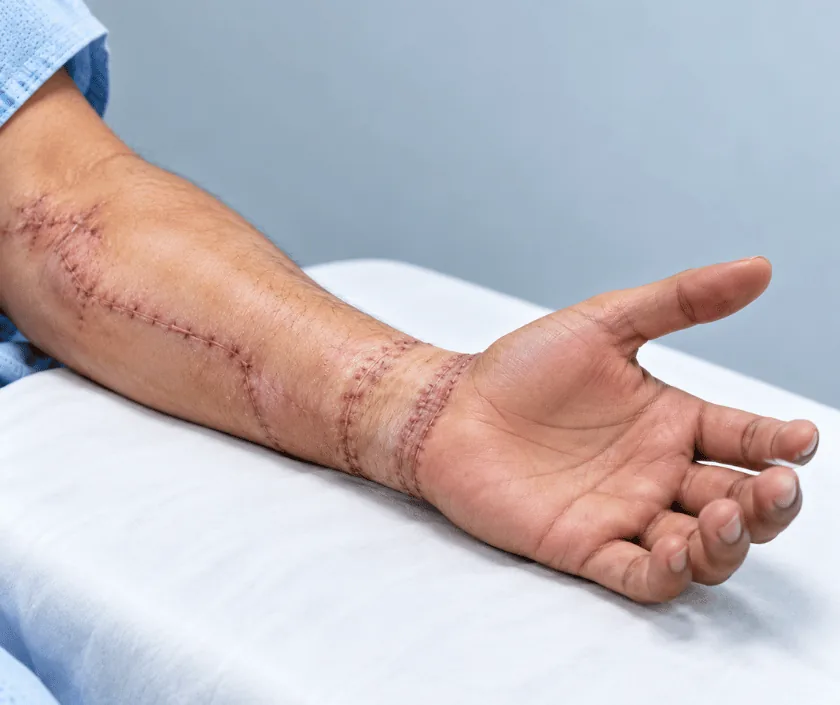
Time matters more than anything else in these injuries. The severed part should travel to hospital with the patient, and staff there will advise how it is kept while surgery is arranged. Long delays and warmth both reduce what can be achieved.
Tobacco narrows small vessels, which is exactly the wrong thing after a repair that depends on tiny stitched arteries. Patients are asked to stop completely around the operation. This is one of the few factors within a patient control that clearly affects survival of the part.
Hand therapy starts early and continues for months. Splints protect the repairs while controlled movement stops joints stiffening. Feeling returns slowly and unevenly. Many patients regain useful grip, though stiffness and cold sensitivity often linger long after the wound has healed.
A single finger cut off at a level that would leave it stiff and numb can hinder the hand more than a tidy stump. Surgeons discuss this honestly, since a shorter but supple hand often works better in daily life.
After a replant, changes in the reattached part need attention within hours rather than days.
Families ask these questions in the first hours after an injury and again during recovery.
Ask your question →Fingers, which contain little muscle, tolerate a longer delay than a hand or forearm. Cooling extends that window, while warmth shortens it sharply. As a rule the sooner someone reaches a hospital with microsurgical facilities, the more options remain open.
Emergency microsurgery involves long theatre time, a hospital stay and later therapy, so it is not a small expense. Accident cover, employer schemes and government schemes apply in many cases. An estimate is given once the injury has been assessed.
The surgery itself is long but well established. Blood loss, anaesthetic risk and infection are all managed routinely. The main uncertainty is whether the reattached part survives, and that depends far more on how the injury happened than on anything else.
A reattached digit usually recovers protective feeling and some movement, though rarely the full range it once had. Stiffness, cold intolerance and altered sensation are common. Many patients still find the part valuable for grip and for appearance.
The stump is shaped so it heals cleanly and is comfortable to use. Later options include lengthening, moving a toe to replace a thumb, or a prosthesis. Plenty of people return to full work after a well made stump and good therapy.
Fitness for a long anaesthetic matters, as do diabetes and vascular disease, which affect small vessel healing. Age alone is not a bar. When a long operation carries too much risk, a shorter procedure that leaves a comfortable stump is the safer choice.
Expect frequent checks in the first two weeks, then regular hand therapy for months. Reviews look at bone healing, movement, sensation and cold tolerance. Further surgery to release scar or improve movement is sometimes planned once healing settles.
