The first hours after a burn shape much of what follows. Cooling the skin properly, judging depth and area, replacing fluid lost through damaged skin and protecting the airway all belong to that early window. Decisions taken then influence how much surgery is needed later and how the scars eventually settle.
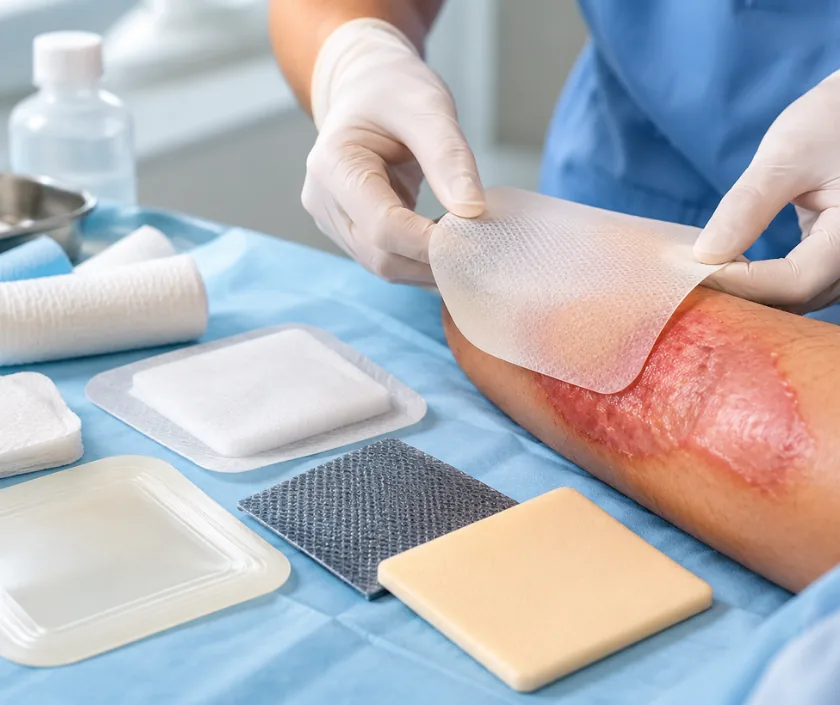
Families arriving at a burns unit rarely know what to expect, and the pace of activity can be alarming. Understanding the sequence helps: emergency stabilisation first, then careful wound assessment over the following days, surgery for the areas that will not heal on their own, and rehabilitation running through all of it. This page sets out those stages in order. Ask questions freely on the ward, since the team would far rather explain something twice than leave a family guessing. Elegance Clinic in Surat treats acute burns and also sees patients transferred after early care elsewhere, so the information below is written for both situations.
Burn treatment moves through recognisable stages, and each one has a purpose that the next depends on. Knowing which stage you are in makes the daily plan far easier to follow.
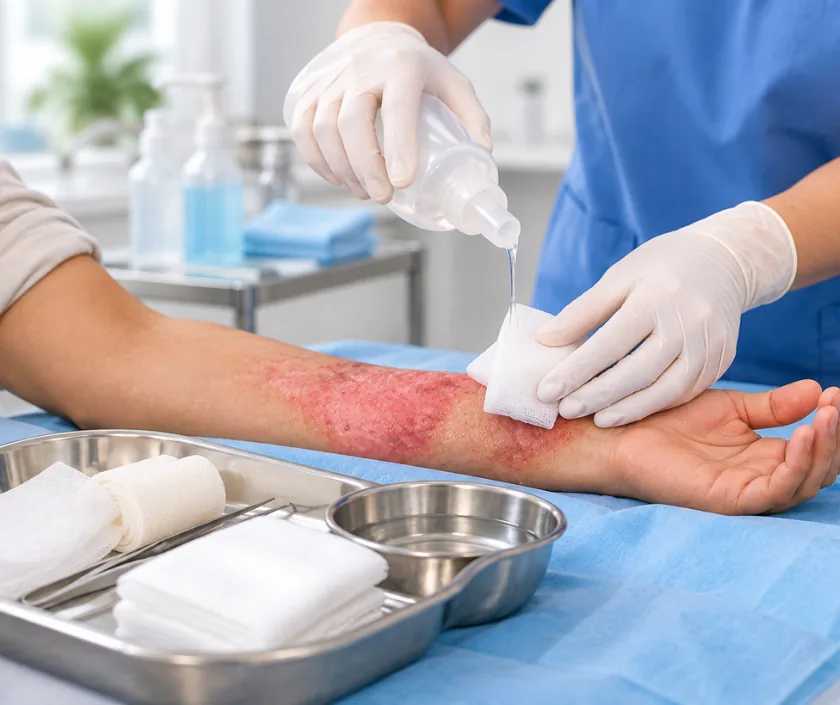
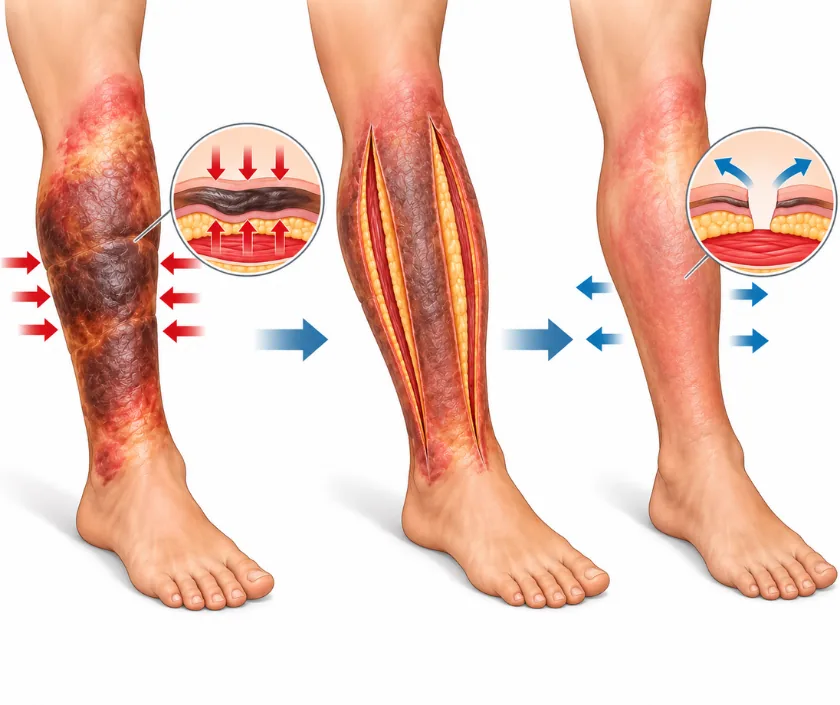
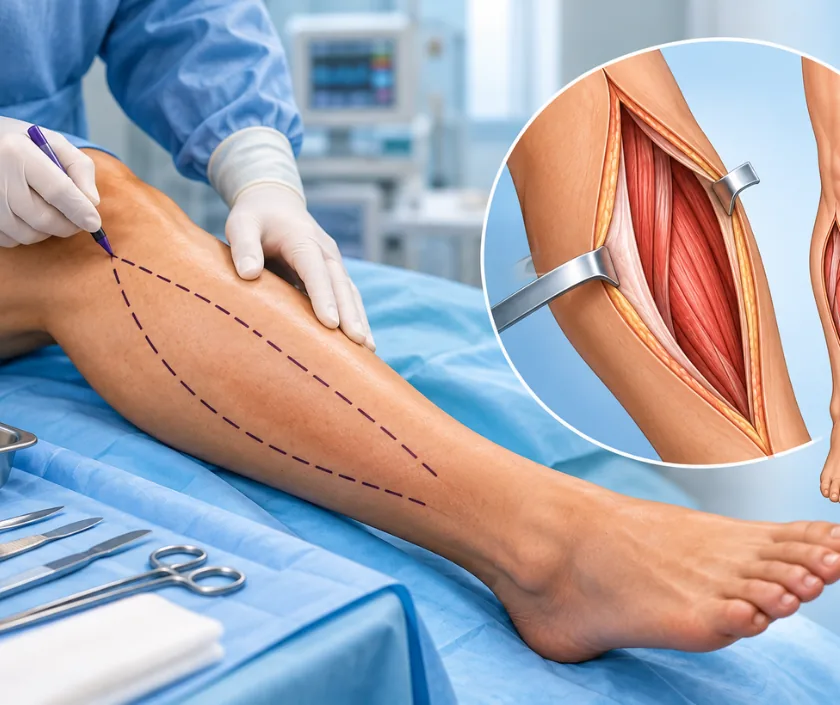
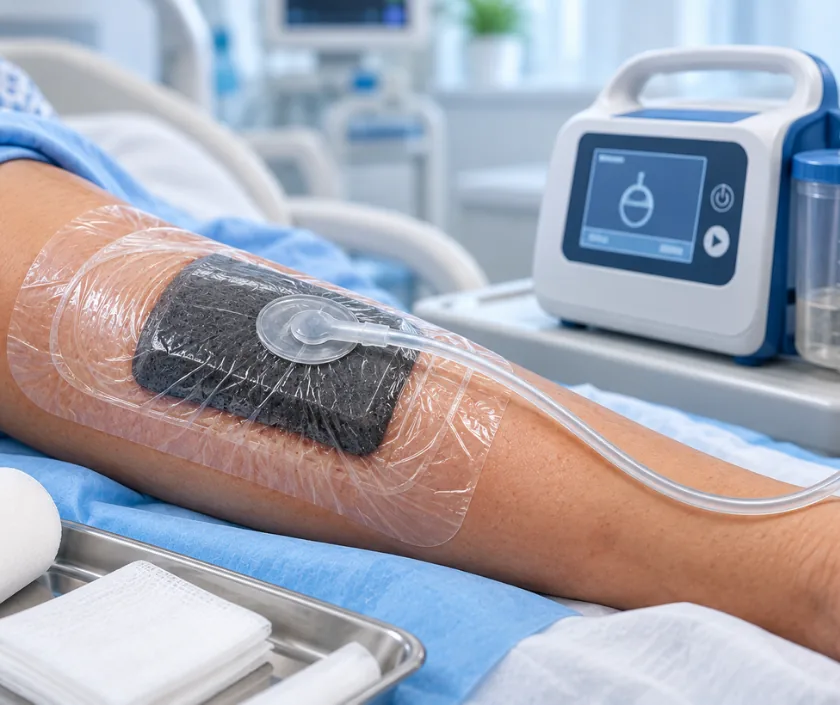
Small burns on the trunk or limb are often managed as an outpatient. Referral becomes necessary when the burn is extensive, deep, or sits on the face, hands, feet, genitals or across a joint. Very young and elderly patients are admitted at a lower threshold.
Being burnt in an enclosed room raises the risk of injury to the airway itself. Hoarseness, soot around the nostrils, a cough or singed nasal hairs all point to it. Swelling inside the throat can build over hours, which is why observation in hospital is advised.
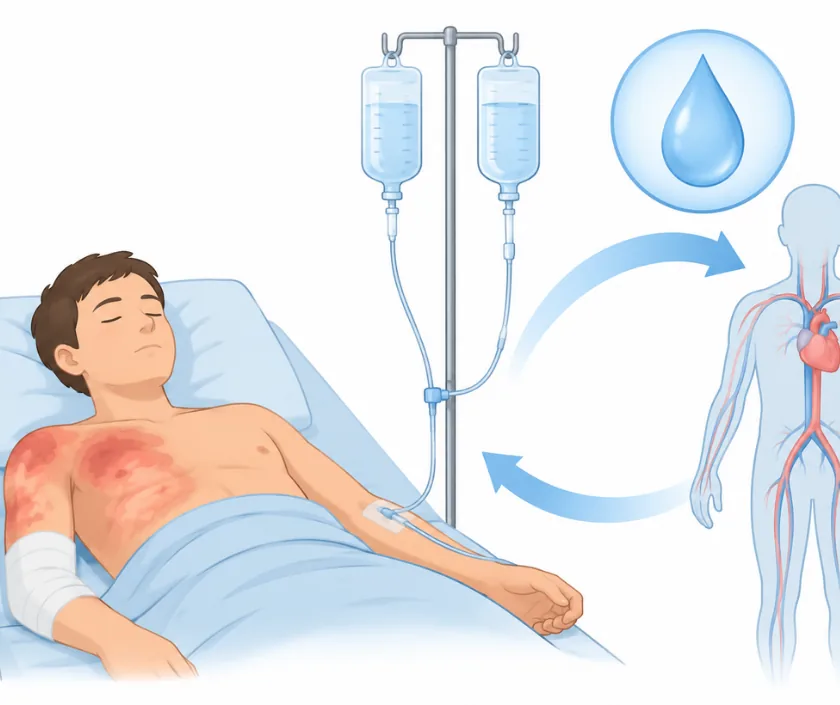
Damaged skin leaks fluid steadily, so drips are calculated from body weight and burn area rather than guessed. Urine output is measured hourly as the simplest guide to whether the amount is right. Both too little and too much cause problems, so adjustment is constant.
A burn affects a whole household. Parents carry guilt, patients face dressing changes they dread, and income often stops. Counselling, honest explanation of the timeline and practical help with scheduling are part of good burn care, not an afterthought added at discharge.
The commonest severe burn seen here. Depth is often mixed, and full thickness areas frequently need early excision and grafting rather than dressings.
Hot liquid, and the commonest burn in small children. Usually superficial to mid dermal and often heals with dressings, but depth can be deceptive in the first days.
From touching a hot surface. Small in area but frequently deep, and over a joint or the hand they often need surgery despite looking minor.
Keep going until the chemical is removed, so prolonged irrigation matters more than anything else. Alkalis penetrate deeper than acids and look worse later than they do at first.
The skin wound understates the injury. Current travels through muscle and nerve, so deep tissue damage, compartment syndrome and heart rhythm problems are the real concerns.
Some burns can be dressed locally, while others need hospital assessment the same day. These signs place a burn firmly in the second group.
These come from patients and relatives during the early days on the ward. Your treating team will give details specific to the injury.
Ask your question →The total is driven mainly by the size of the burn and the length of hospital stay, since dressings, drips, medicines and any grafting operations all scale with those. A daily estimate is shared with families and updated as the picture becomes clearer during the first week.
It is well established, though the patient must be stable enough for anaesthesia first, which is why timing is judged carefully. The donor area becomes a fresh wound that needs its own dressings. Graft loss, bleeding and infection are the recognised risks and are explained beforehand.
Superficial burns close within a couple of weeks, while deeper ones that need grafting take longer and demand months of scar care afterwards. Hospital stay tends to rise with burn size. Recovery can vary a great deal between patients with injuries that look similar.
Some scarring is expected wherever a burn went beyond the surface layer. Depth, infection, skin type and how faithfully pressure garments are worn all shape the outcome. Scars remodel across a year or more, so early appearance is a poor guide to the final result.
Thinner skin means a burn of the same heat and duration goes deeper in an elderly patient, and existing heart, kidney or diabetes problems complicate fluid management. Admission is therefore advised for smaller burns than would need it in a young adult.
Go immediately for burns to the face, hands, feet or genitals, for any electrical injury, for burns encircling a limb, and whenever breathing sounds affected. Extensive burns need a burns unit rather than a local dressing. Delay in these situations changes the outcome.
Wounds are inspected, dressings changed and healing areas photographed to track progress. Pressure garments are measured or adjusted, and physiotherapy is reviewed. Bring your discharge summary, the list of medicines and any dressings supplied so the plan continues without interruption.
