A hand forms in a matter of weeks in early pregnancy. Tissue first appears as a flat paddle, fingers separate out of it, and the thumb rotates to face the others. Small interruptions to that sequence leave differences that are visible at birth: fingers joined together, an extra digit, a thumb that never grew properly, or a tight band around a finger.
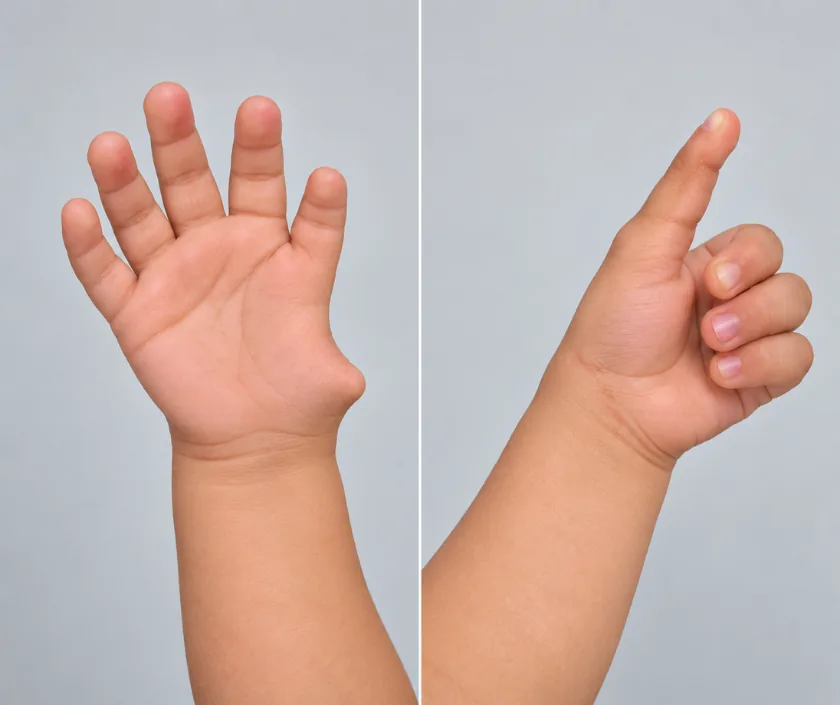
Parents naturally focus on how the hand looks, while surgeons think first about what it can do. Children adapt remarkably well and often use a different hand very capably long before anyone operates. Treatment aims to add grip, pinch and reach, and improved appearance follows from that. This page groups the common differences and explains the usual approach to each. Elegance Clinic in Surat assesses hand and arm differences alongside a hand therapist so that surgery and therapy are planned together.
Surgeons sort these differences by what happened during formation, because that explains which structures under the skin are involved. The group also guides when in childhood the operation is best done.
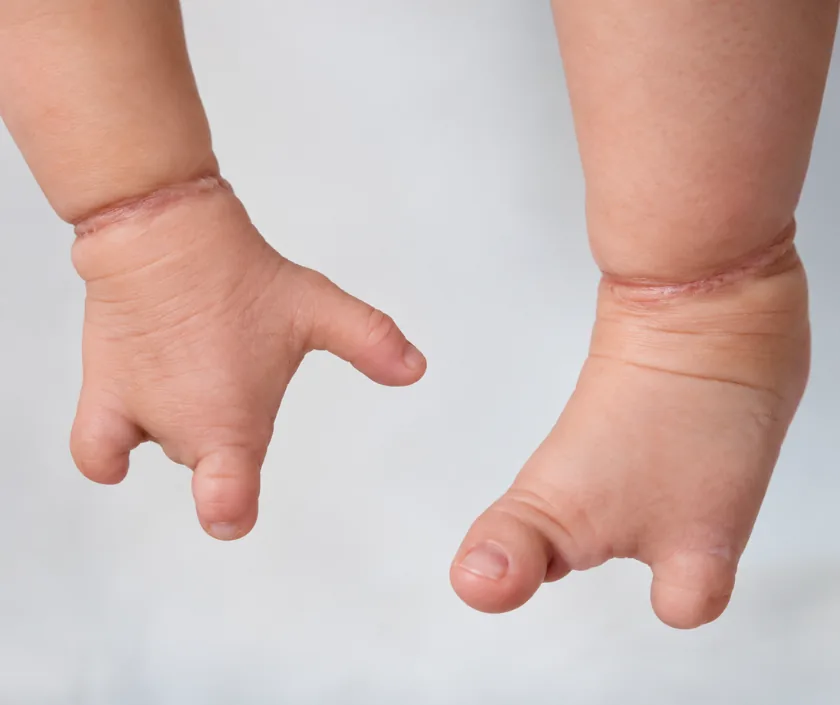
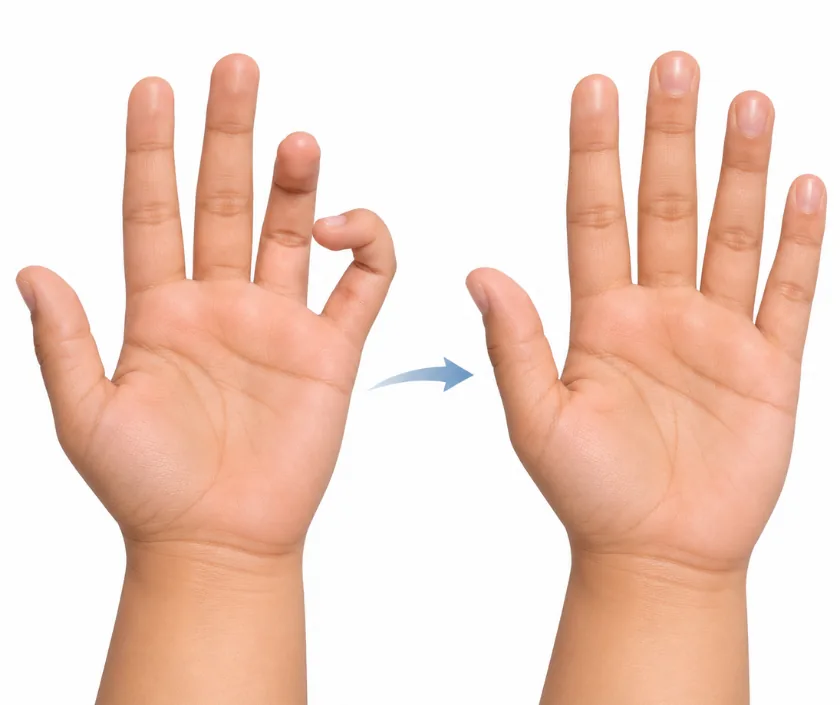
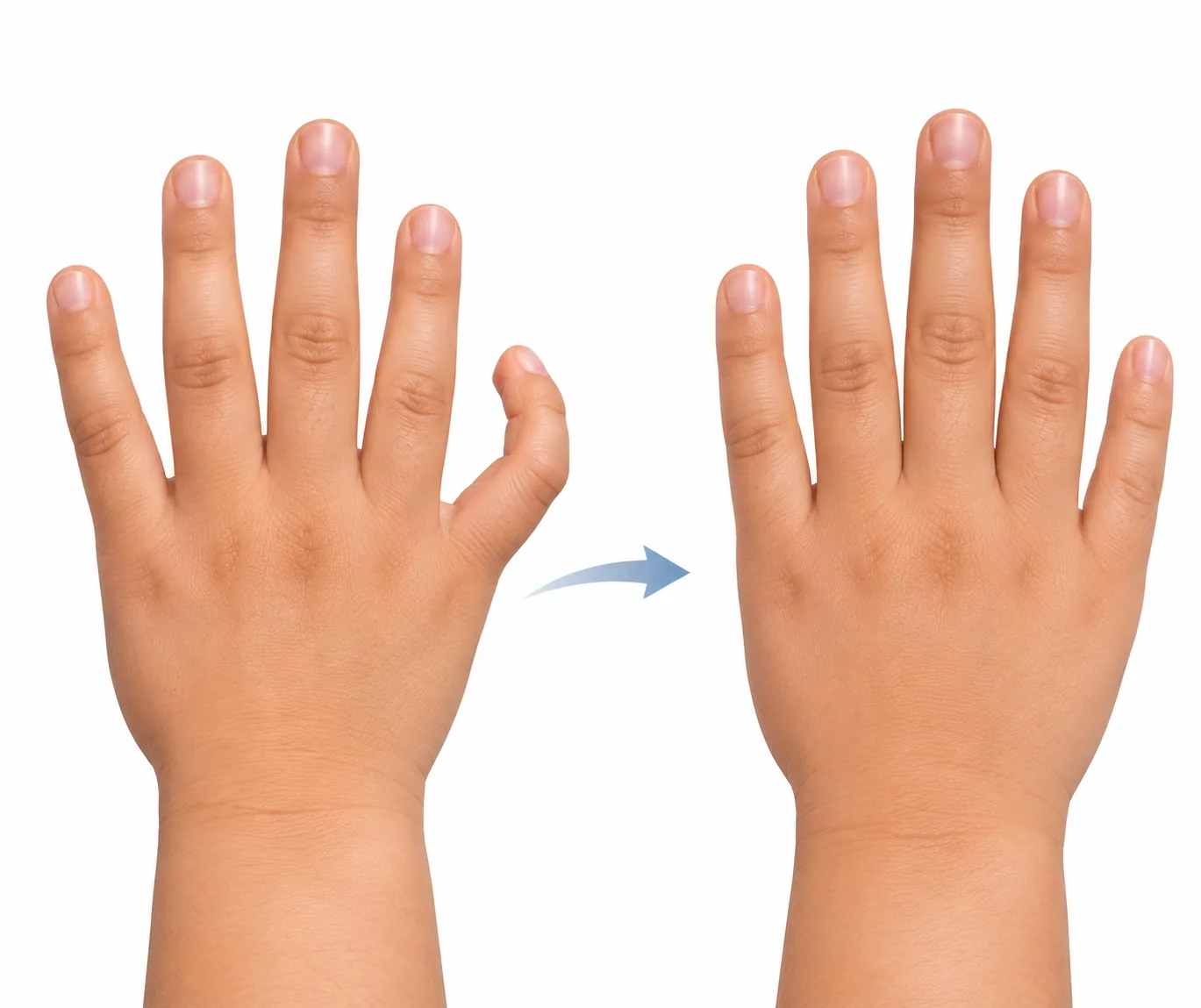
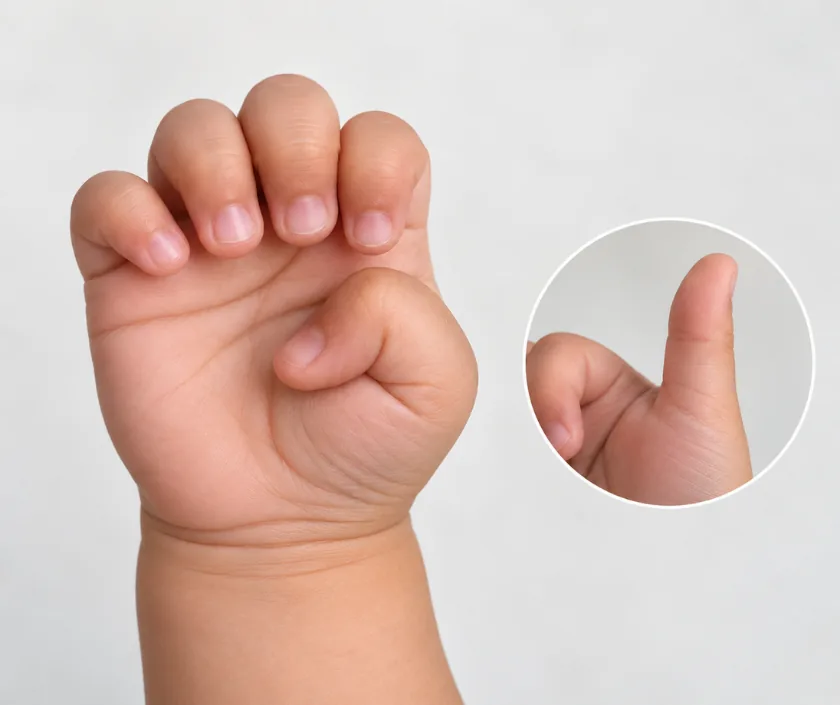
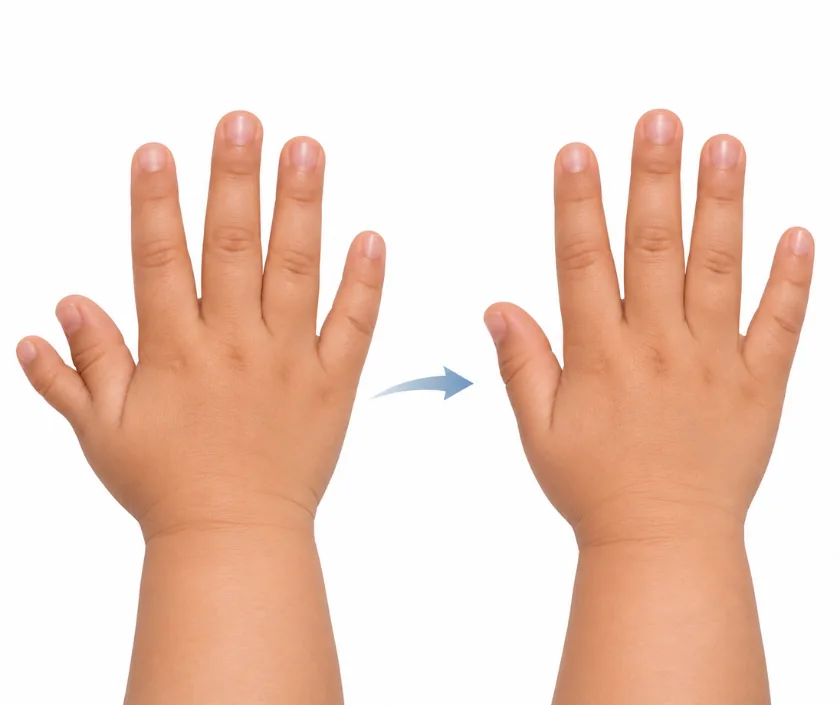
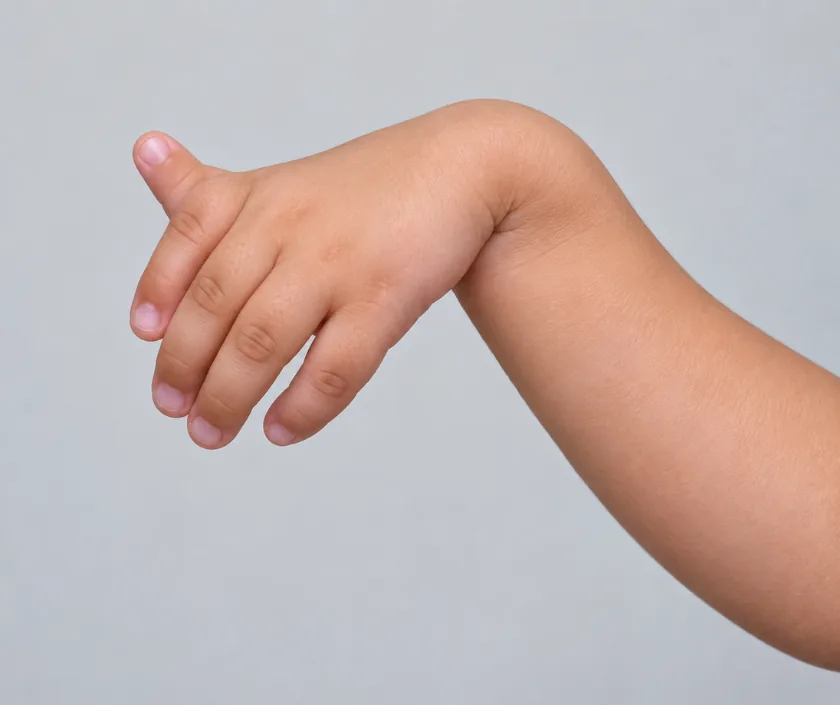
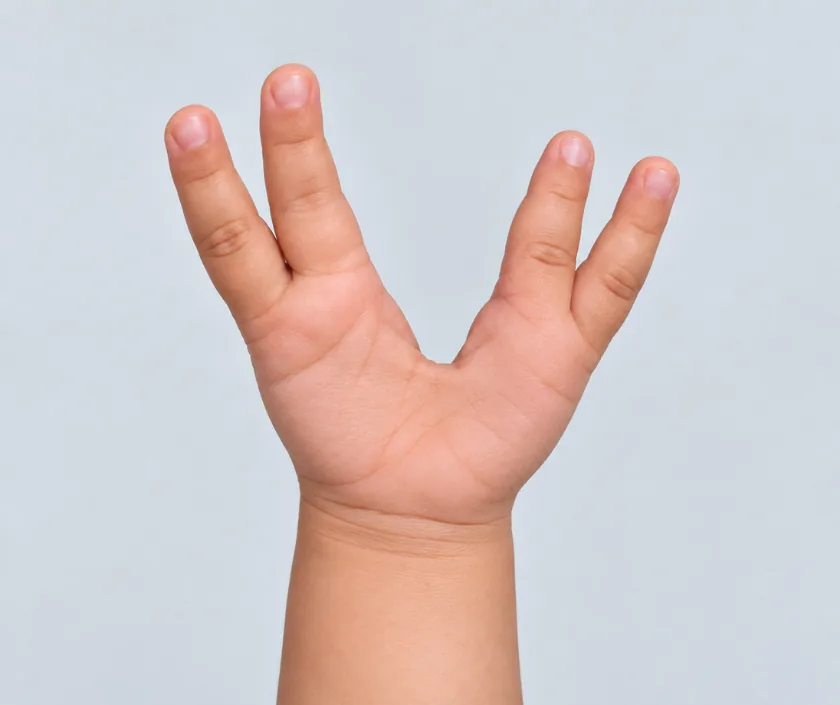
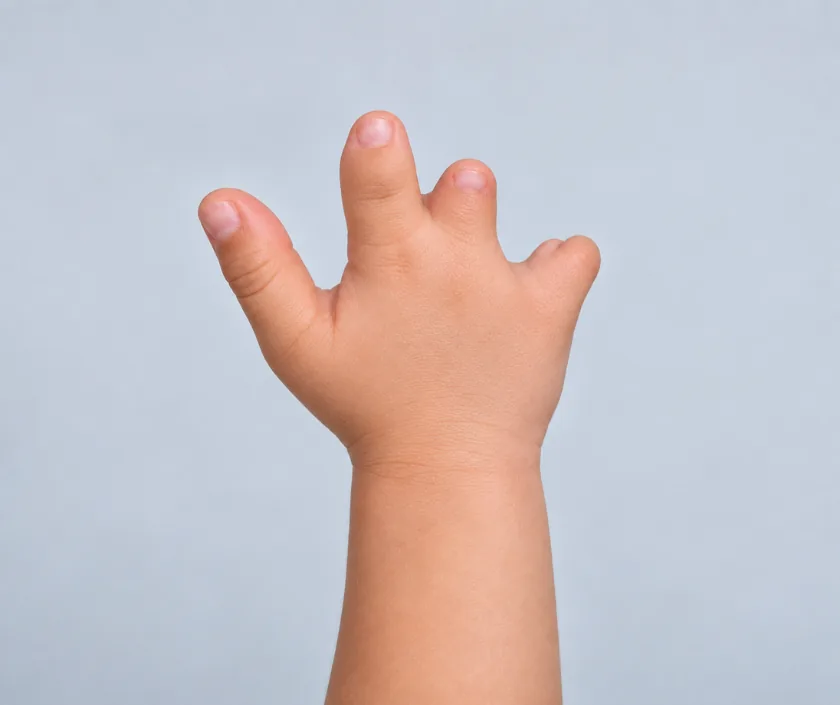
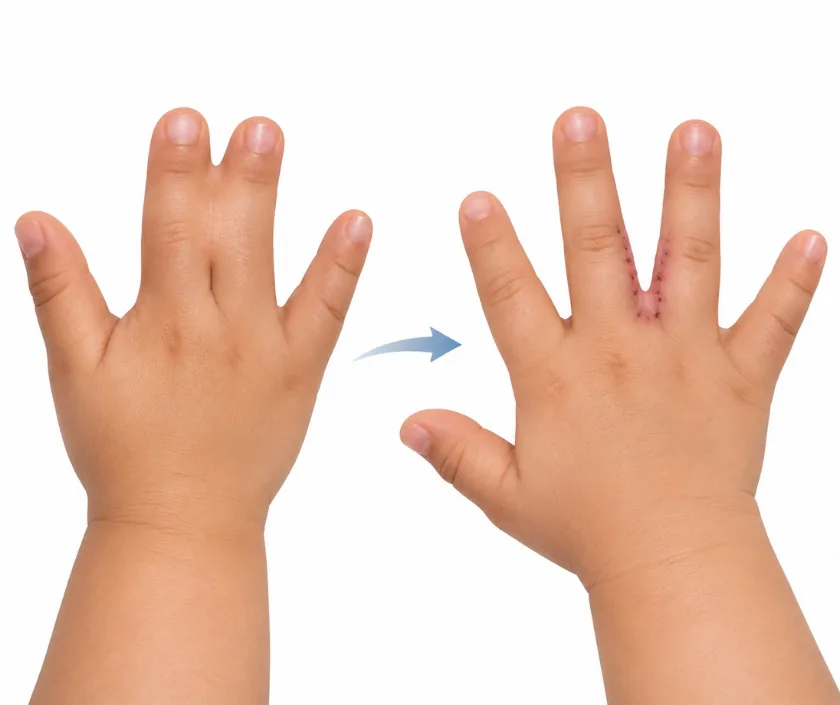
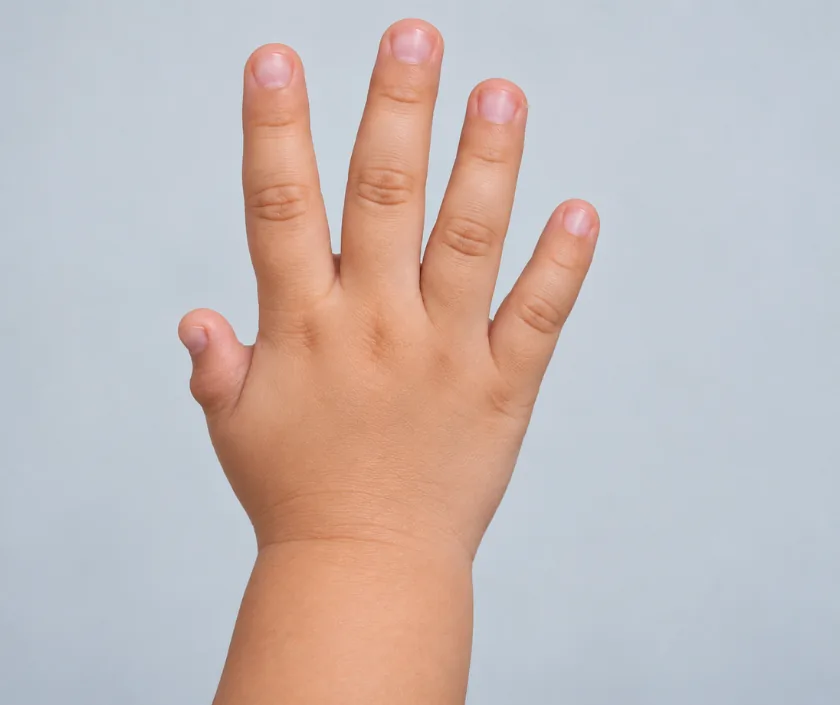
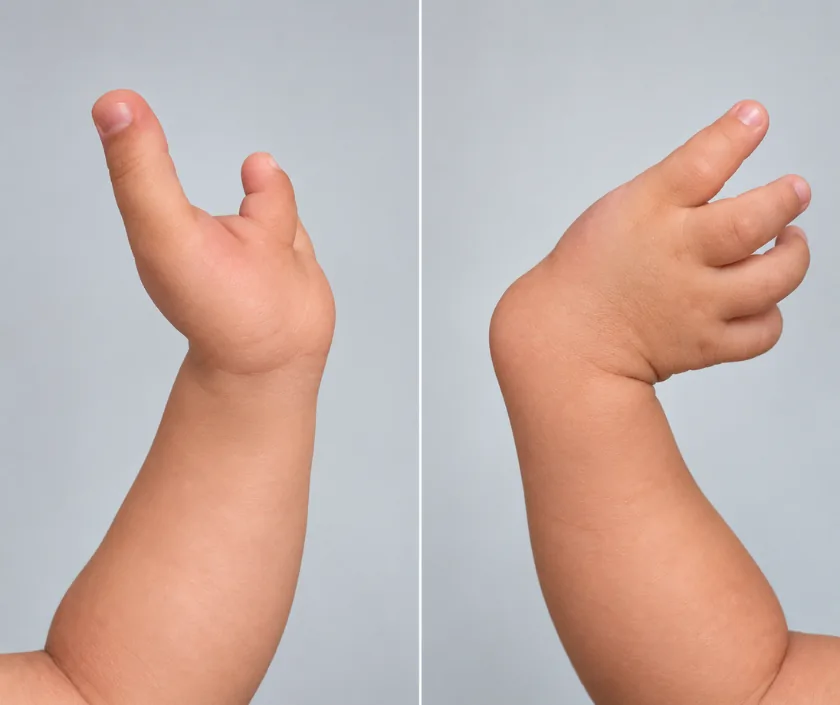
Therapy carries as much weight as surgery in this field. A therapist makes splints, teaches stretches and turns exercises into play so a young child cooperates. Work often starts before any operation and continues afterwards, because a separated or rebuilt finger only becomes useful when it is used.
Very few of these operations are urgent. Surgeons balance the size of the structures, which are easier to handle as a child grows, against the age at which the brain learns to use a hand. Most planned surgery therefore falls in the toddler and preschool years.
A hand that grips, pinches and holds matters more in daily life than one that simply looks even. Plans are built around school tasks, buttons, cutlery and play. Where the two aims conflict, families are given time to weigh them up rather than deciding in a single visit.
Some hand differences travel with changes in the heart, spine, kidneys or blood counts, particularly when the thumb side of the forearm is affected. A paediatrician therefore arranges a few tests early on. Most children turn out to have an isolated hand difference and nothing further.
Most children can be seen at a routine appointment. A few findings should be shown to a surgeon without waiting.
Brief answers to the points raised most often. A hand examination is short and gives far more detail than any web page.
Ask your question →Charges reflect how many fingers are involved, whether skin grafts or tendon work are needed and the anaesthesia time. Separating several webs takes more than one operation, which spreads the cost. An itemised estimate follows examination, and hospital scheme cover is checked where it applies.
Fine instruments and magnification make delicate work possible even in young children, and paediatric anaesthesia is monitored throughout. Stiffness, scar tightening and the need for a further procedure as the hand grows are the usual risks, and all are discussed before you consent.
A protective plaster or bulky dressing usually stays on for a few weeks, which children tolerate better than parents expect. Therapy then begins. Everyday use returns gradually over the following weeks, while full strength and confident use build across several months.
Considerable improvement in grip, pinch and appearance is realistic, though a hand that formed differently never becomes identical to the other one. Scars remain visible on close inspection. Families are shown photographs of similar cases so the likely outcome is clear from the start.
Assessment can begin at any age, including within the first weeks. Surgery is generally timed for the toddler or preschool years, though older children and adults are still helped, especially when stiffness or weakness begins interfering with study or work.
Very little does. A tight constriction band with swelling and colour change is the main exception and needs urgent release. Infection around a nail or an extra digit also warrants same day review. Everything else can be planned calmly over the following weeks.
Your child plays with a few objects while the hand is watched in use, which reveals more than any measurement. Photographs and sometimes an image of the bones are taken. You then leave with a clear idea of the grouping, the likely operations and their order.
