Tendon and nerve injuries, compression syndromes and digit reconstruction, treated so the hand grips, feels and works.
Anyone with a hand or forearm injury, numbness or weakness, a contracture, or a digit that no longer works.
Examination of movement, sensation and strength, with imaging or nerve studies where needed, and a written plan.
Dedicated theatre with tourniquet control and magnification; day care for many procedures.
Injury repair is generally payable under mediclaim; elective procedures are quoted in writing.
Nothing here is improvised. The sequence below is how care in this specialty is actually organised, and your own written plan follows it.
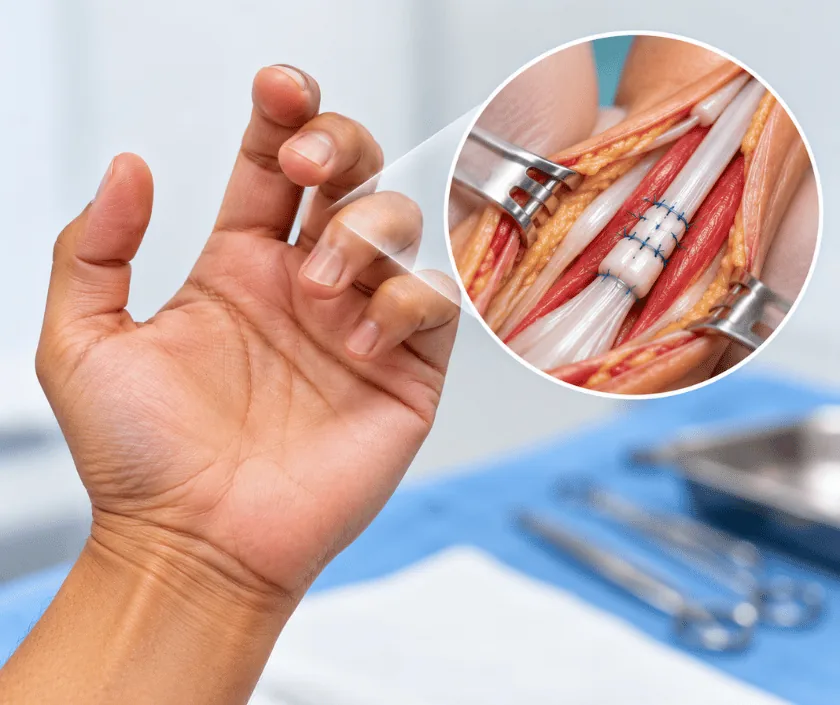
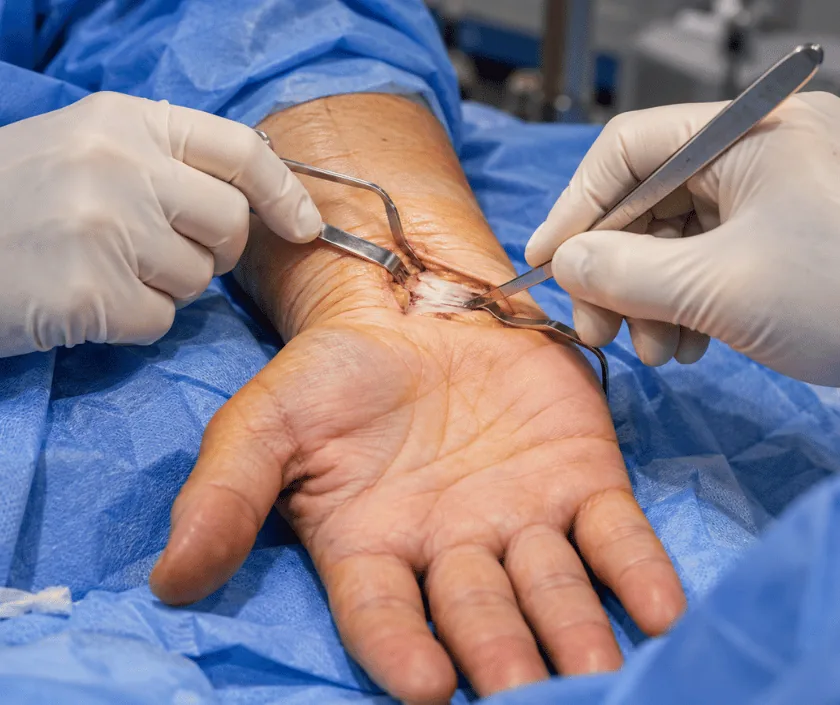
Cut tendons and nerves do best repaired early, within days, before the ends retract and scar.
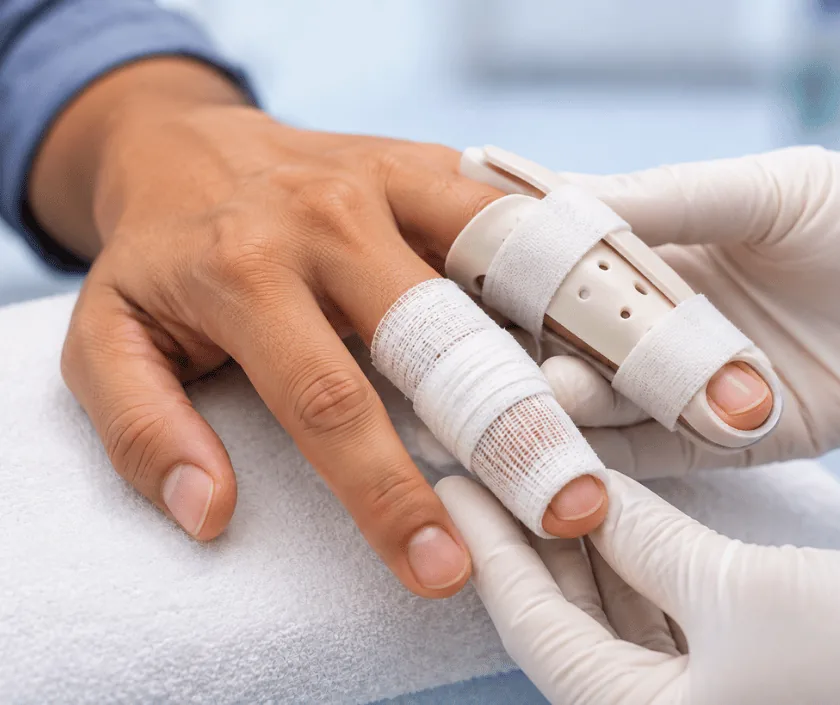
Splints protect the repair while guided exercises keep tendons gliding, the balance that decides outcome.
Grip and pinch strengthen progressively; nerve recovery is followed over months as sensation returns.
Tendon transfers, grafts and joint procedures reconstruct hands where primary repair was missed or failed.
"A hand operation is one third surgery and two thirds therapy. Skip the therapy and the surgery is wasted."
Hand surgery is judged in function: the ability to button a shirt, hold a tool, feel a coin. Every plan is built around that.
Delayed presentations are common and still treatable; tendon transfers and grafting rebuild function months or years after injury.

Published with documented patient consent, generalised for age and sex, in line with advertising norms applicable to medical practitioners in India.
Published bands are for Surat and include surgeon, anaesthesia, theatre and standard stay. Where a band is not published, a written estimate follows examination. Cover under mediclaim and schemes is confirmed before admission.
Ask for an estimate →These are the questions that come up in consultation most often. If yours is not here, send it on WhatsApp and the team will reply, usually the same day.
Ask your question →Ideally within days of the injury, before the tendon ends retract and scar. Delayed repair is still possible but may need grafts or transfers, so early review of any deep cut is worthwhile.
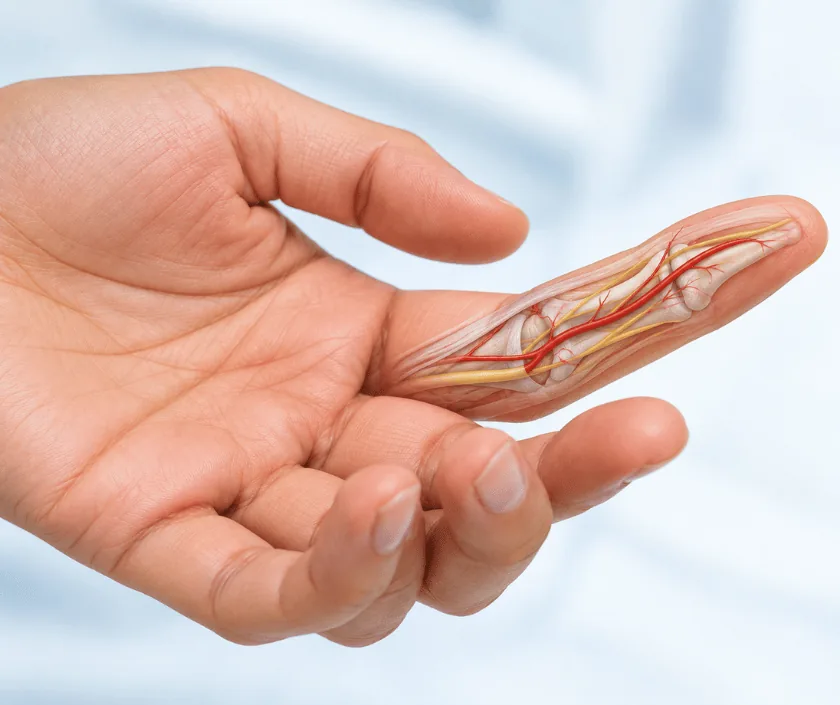
Nerves regrow slowly, roughly a millimetre a day, so sensation returns over months, not weeks. Recovery is followed at reviews and supported with therapy.
Not always. Early cases may settle with splinting and injection. Surgery is advised when numbness is constant, waking you at night, or weakness appears, because long compression damages the nerve permanently.
Desk work is often possible within two to three weeks with the splint on; manual work returns in stages between six and twelve weeks depending on the operation and your therapy progress.
Repair after injury is generally payable under mediclaim. Elective procedures are quoted in writing after examination, with cover checked against your policy first.
A repaired tendon or nerve only becomes useful if the hand is moved in a controlled way at the right time, otherwise stiffness and adhesions limit the result. The therapy schedule is part of the surgical plan, not an optional extra.
Often yes, though the approach depends on why it is stiff, whether from scarred tendons, joint tightness or an unhealed injury. Assessment usually starts with therapy, and surgery is considered when progress stops.