Acute burn care through to contracture release and post burn appearance restoration, treated as one continuous plan from the emergency room to the final scar.
Fresh burns of any depth, healed burns with tight scars, and burn deformities of the face, neck, hands and limbs.
Burn assessment, photographs, movement testing where scars cross joints, and a written plan for release and rehabilitation.
Burn ICU for acute cases, microscope equipped theatre for reconstruction, with splinting and physiotherapy on the same team.
Acute burns and functional contracture release are generally payable under mediclaim and state schemes.
Each category opens a hub with its own treatment pages and patient information.
Nothing here is improvised. The sequence below is how care in this specialty is actually organised, and your own written plan follows it.
Fluid resuscitation, wound assessment and infection control, with early excision and grafting where the depth demands it.
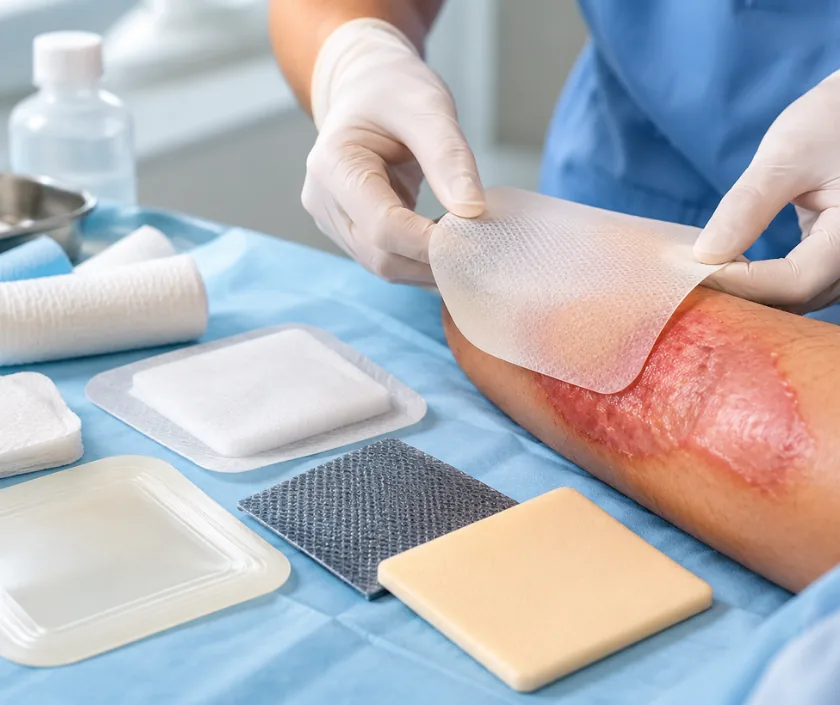
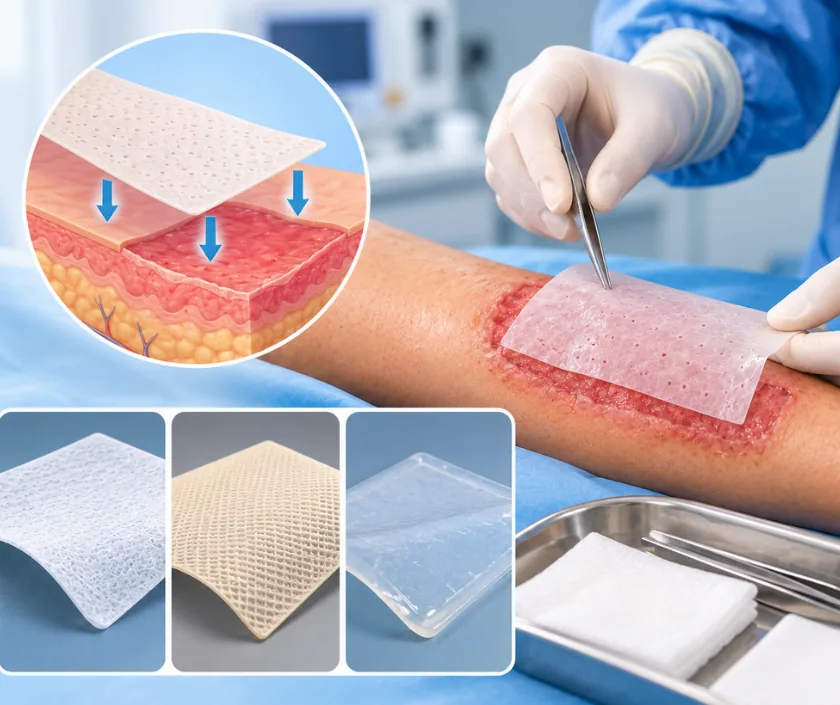
Dressings, grafting and physiotherapy to close the wound and keep joints moving while the scar is forming.
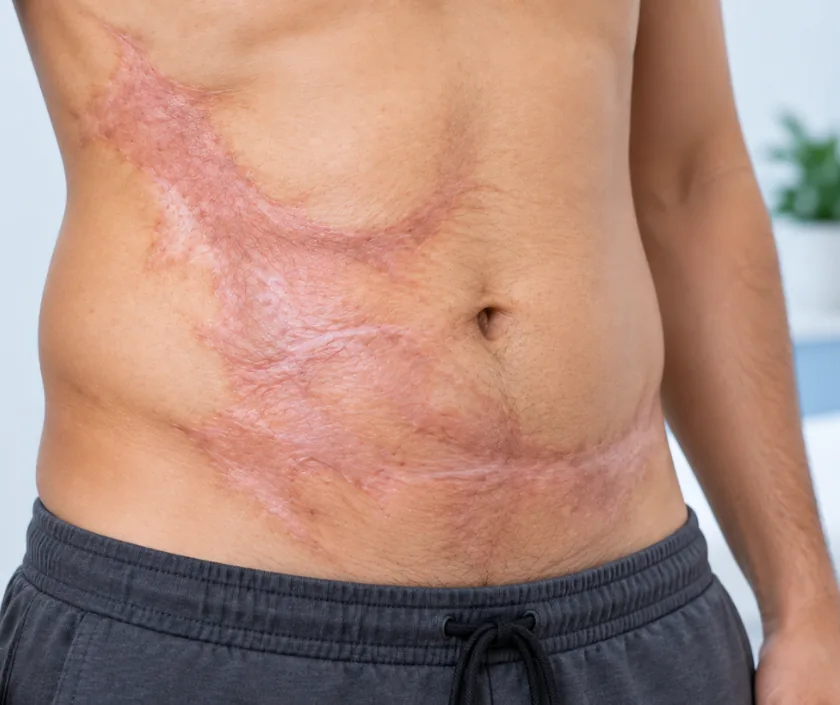
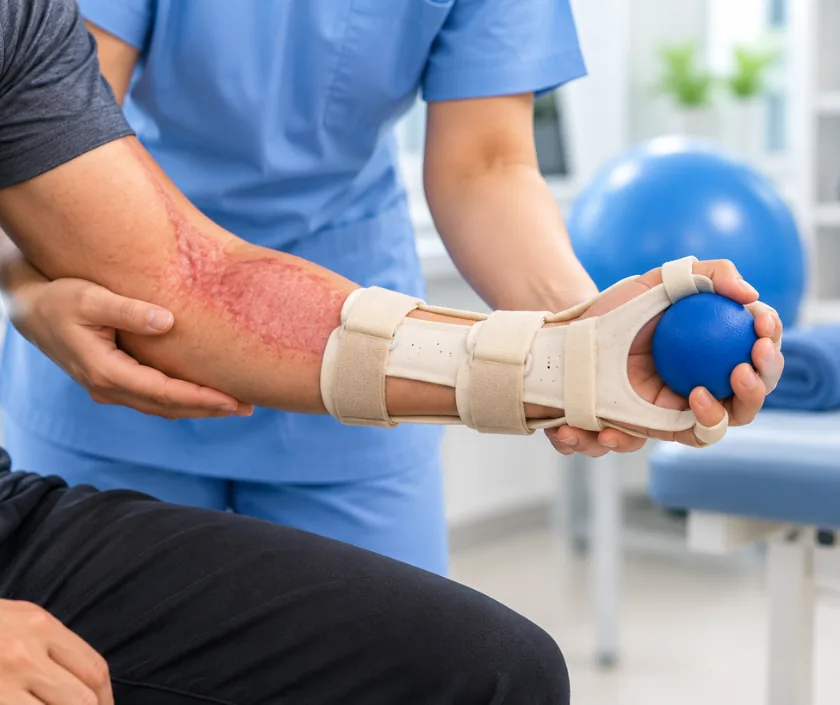
Pressure garments, silicone and splinting through the active scar phase, with release surgery where bands form.
Contracture release, resurfacing and refinement once the scar has matured, staged by function first.
"The burn is treated in days. The scar is treated over a year, and that year decides the outcome."
Burn reconstruction is judged by movement: a neck that extends, an axilla that abducts, a hand that grips. Appearance follows function.
Surgery, splinting and physiotherapy are planned together, because a release that is not rehabilitated will contract again.

Published with documented patient consent, generalised for age and sex, in line with advertising norms applicable to medical practitioners in India.
Published bands are for Surat and include surgeon, anaesthesia, theatre and standard stay. Where a band is not published, a written estimate follows examination. Cover under mediclaim and schemes is confirmed before admission.
Ask for an estimate →These are the questions that come up in consultation most often. If yours is not here, send it on WhatsApp and the team will reply, usually the same day.
Ask your question →A well planned release with graft or flap cover holds, but only if splinting and physiotherapy continue for the months after surgery. Recurrence is usually a rehabilitation problem, which is why structured follow up is part of the plan.
Scar management starts as soon as the wound closes, with silicone, massage and pressure. Surgical release is usually planned once the scar matures, unless a tight band is limiting a joint or the eyelids, which is treated earlier.
Acute burn care and functional contracture release are generally payable under mediclaim and state schemes, because they restore function. Cover is confirmed in writing before admission.
Yes. Contractures can be released and scars resurfaced years after the injury. The plan depends on which joints are limited and how the scar has matured, which is assessed at consultation.
Most releases need one to five nights in hospital, followed by splinting and physiotherapy for several months. Time off work or school depends on the joint released and is discussed before surgery.
Grafted skin usually stays slightly different in colour and texture from the skin around it, and it settles over many months. The plan aims first at releasing tightness and closing the area safely, then at improving appearance in later steps if that is needed.
Yes, and sometimes it cannot wait, because a tight scar across a joint can pull on growth and limit movement. Children are reviewed as they grow, since a scar that was adequate at one age can become tight again later.