The perineum is the area between the thighs that carries the openings of the bowel, the urinary tract and the genital organs. Wounds here are difficult. The tissue is thin, it sits in a hollow, it moves every time a person walks or sits, and it is exposed to urine and stool. A gap left after cancer surgery or infection therefore tends to stay open rather than close on its own.
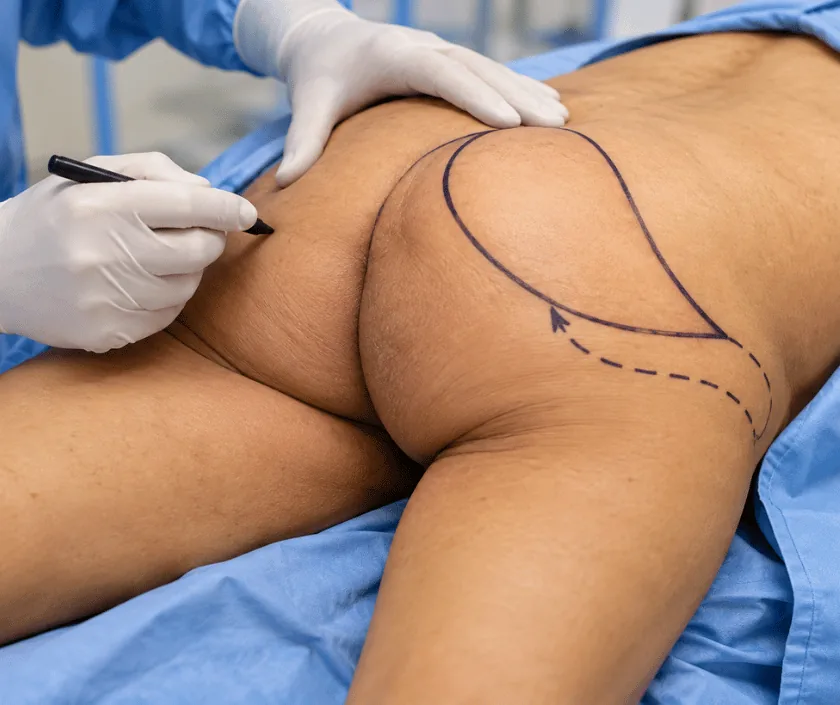
Reconstruction brings in healthy tissue from outside the damaged zone to fill the hollow, seal the pelvis and give skin that tolerates sitting. Muscle from the thigh, the abdomen or the buttock is most often used, chosen according to which vessels are intact and where radiation has been given. Bowel and urinary care are planned with the colorectal or urology team so that healing is protected. Timing of each stage is agreed between the teams in advance.
These wounds are grouped by what caused them and by whether the pelvic floor and skin are both missing, since that decides how much tissue must be imported.
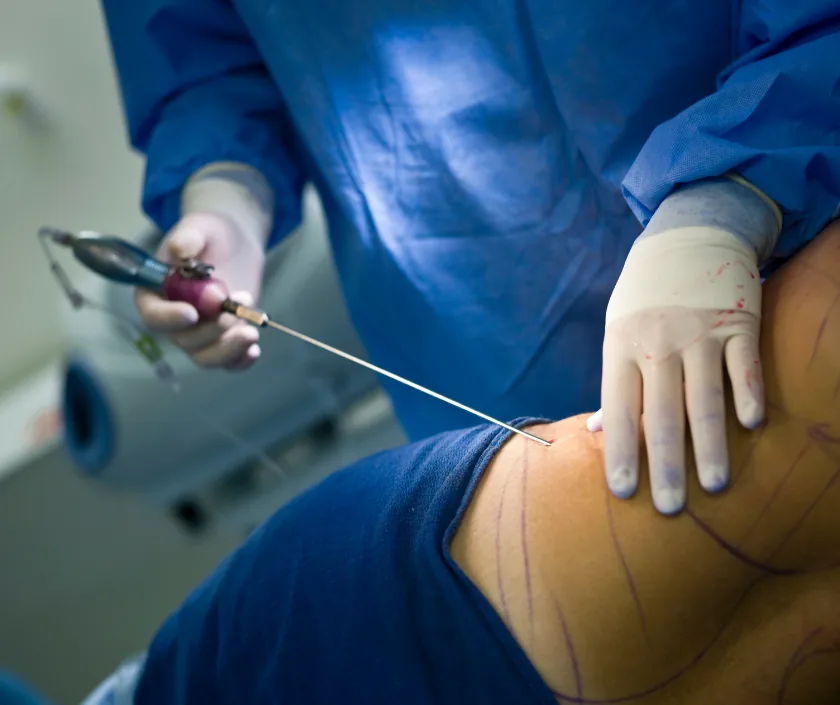

The gracilis muscle of the inner thigh, the rectus abdominis from the lower belly and flaps based on vessels near the buttock are the common choices. Each brings well supplied bulk that fills the pelvis and tolerates the moisture and movement of the area.
Pressure on a fresh perineal repair is the main enemy of healing. Nursing advice covers positioning, cushions and how to move safely. Wound care is kept simple and is taught before discharge so that the area stays clean and dry.
When reconstruction follows tumour removal, both teams operate in one session. The cancer surgeon clears the disease and the reconstructive surgeon closes the space immediately, which shortens the overall recovery and reduces the chance of a long term open wound.
A temporary or lasting stoma is sometimes needed to keep stool away from a healing repair. This is discussed openly before surgery, including how it is managed at home and whether it may be reversed at a later stage.
Infection in this region can spread very fast, so certain symptoms should be treated as an emergency.
These questions come up whether the referral follows cancer treatment, infection or injury.
Ask your question →The estimate depends on the flap chosen, whether two teams operate together, intensive care needs and hospital stay. A written figure is given after assessment. Reconstruction after cancer surgery is often covered by insurance, so bring your policy papers.
It is commonly done in people who have had radiation, and importing tissue from outside the treated area is precisely why it helps. Healing is slower in treated tissue, so nutrition, sugar control and smoking are addressed before the date is fixed.
Hospital stay is usually a number of days, with limits on sitting and movement while the flap settles. Full healing can take several weeks and recovery varies with radiation history, infection and general health. Physiotherapy helps you return to walking.
Most people return to sitting for ordinary periods once the wound is sound, often using a cushion at first. Sensation in the area is usually altered and some tightness remains. Results improve gradually over months rather than immediately.
People facing removal of the rectum, vulva or nearby structures, and those with a wound that has failed to close, are usually candidates. Suitability rests on fitness for a longer anaesthetic and on the condition of the donor site tissue.
Persistent discharge should be reviewed soon, since it may mean an unhealed cavity or a track underneath. Sudden severe pain, fever or spreading redness needs same day emergency care because infection here can advance within hours.
The area is examined privately with a chaperone present, and previous surgery, radiation details and scans are reviewed. Donor sites are assessed. The flap options, likely recovery, stoma questions and risks are then explained before any decision is made.
