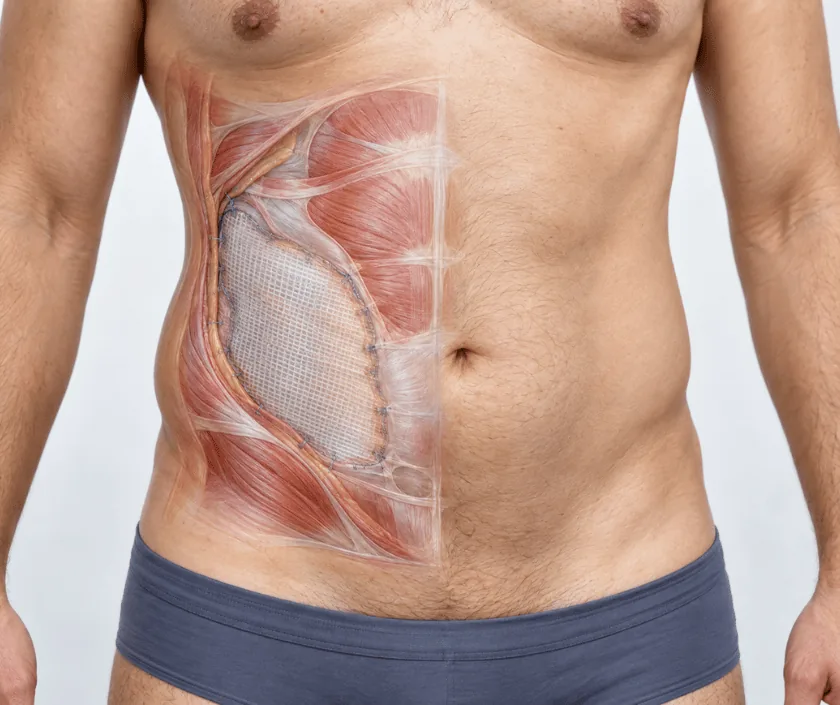
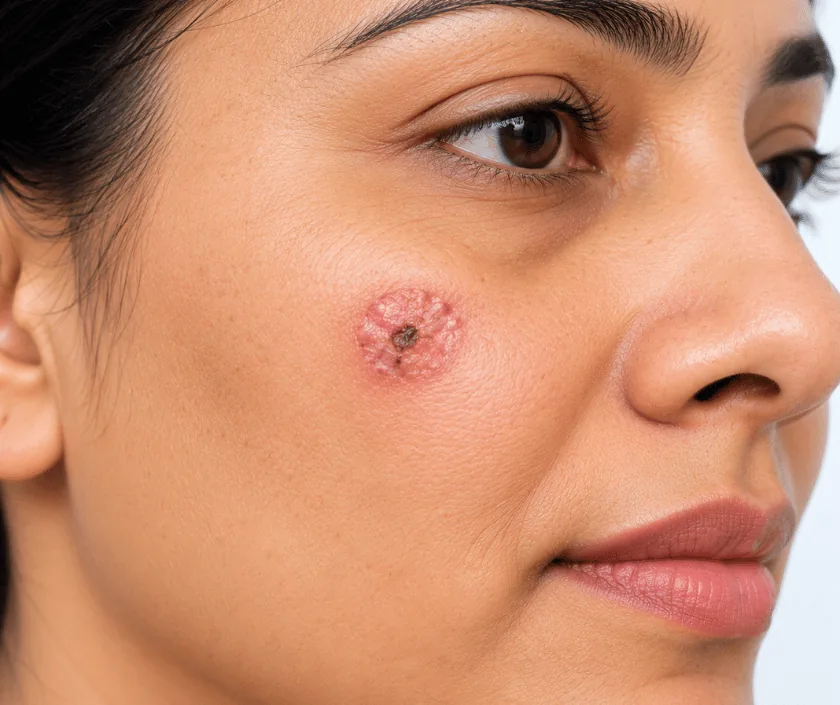
Defects after cancer clearance of the mouth, face, breast and trunk, rebuilt with flaps so that speech, swallowing and daily life continue.
Patients planned for or recovering from cancer surgery who need the defect rebuilt, most often oral cancers in Gujarat.
Review of the oncology plan and imaging with the treating surgeon, and a reconstruction plan matched to the resection.
Microscope equipped theatre for free tissue transfer, with the reconstruction done in the same sitting as the resection where possible.
Reconstruction after cancer clearance is functional surgery and is generally payable under mediclaim and schemes.
Nothing here is improvised. The sequence below is how care in this specialty is actually organised, and your own written plan follows it.
Reconstruction is planned with the oncology team before the tumour is removed, never as an afterthought.
The defect is rebuilt in the same operation wherever oncologically safe, using regional or free flaps.
Swallowing, speech and shoulder or donor site rehabilitation start early with the therapy team.
Flap thinning, scar revision and dental rehabilitation once treatment, including radiotherapy, is complete.
"Clearing the cancer is half the operation. Giving back speech and swallowing is the other half."
Oral cancer is disproportionately common in Gujarat, and reconstruction decides whether treatment ends with a working mouth.
Free flap reconstruction moves living tissue with its blood supply, joined under the microscope, to rebuild what the resection removes.

Published with documented patient consent, generalised for age and sex, in line with advertising norms applicable to medical practitioners in India.
Published bands are for Surat and include surgeon, anaesthesia, theatre and standard stay. Where a band is not published, a written estimate follows examination. Cover under mediclaim and schemes is confirmed before admission.
Ask for an estimate →These are the questions that come up in consultation most often. If yours is not here, send it on WhatsApp and the team will reply, usually the same day.
Ask your question →Wherever oncologically safe, yes. Immediate reconstruction shortens overall treatment, avoids a second anaesthetic and gives the best functional results, particularly in the mouth.
Most patients regain understandable speech and a modified then near normal diet over weeks to months, supported by swallowing therapy. The extent depends on how much tissue the cancer clearance removes.
A well healed reconstruction does not delay planned radiotherapy; timing is coordinated with the oncology team from the start. Radiotherapy tolerance is part of choosing the flap.
Yes. Reconstruction after cancer clearance is functional surgery and is generally payable under mediclaim, and several stages are covered under government schemes. Approval is arranged before admission.
A free flap is living tissue moved from one part of the body with its artery and vein, which are joined to vessels at the defect under an operating microscope so the tissue survives permanently.
Flaps are watched closely in the first days precisely so that a problem is found early, when it can often be corrected in theatre. If a flap cannot be saved, another reconstruction plan is discussed, and the priority remains safe closure of the area.
These operations usually need several days in hospital, with close monitoring at the start and a gradual return to feeding and speech work. The likely length of stay for your operation is given in writing before admission.