Facial reconstruction rebuilds the bone and the covering of the face after an injury, after tumour removal, or after an earlier operation that did not heal as hoped. The face is a frame of thin bones that carries the eyes, the airway and the teeth. A small loss in the wrong place can change how a person looks, chews and speaks, so rebuilding usually starts with that frame.
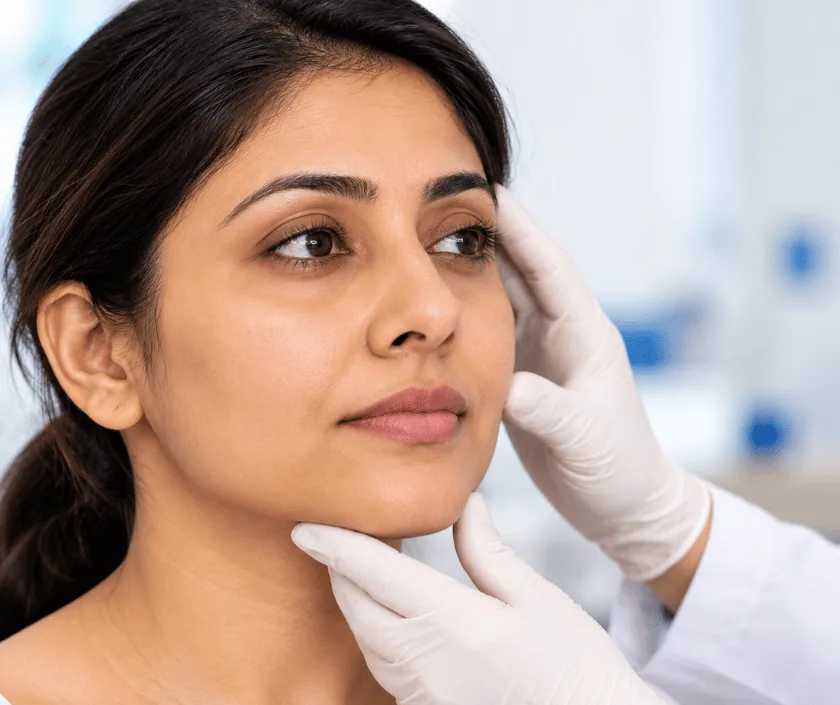
Work of this kind is planned in stages. Scans are studied to work out which parts of the skeleton are missing or badly placed. The surgeon then decides whether the gap can be bridged with a plate, with bone taken from elsewhere in the body, or with an implant made to measure. Soft tissue, nerve and dental care are built into the same plan. Recovery can vary widely, and many patients need more than one sitting before the shape and the bite settle.
Surgeons group this work by which layer of the face has been lost. That decision drives the material used, the donor site and the number of stages needed.
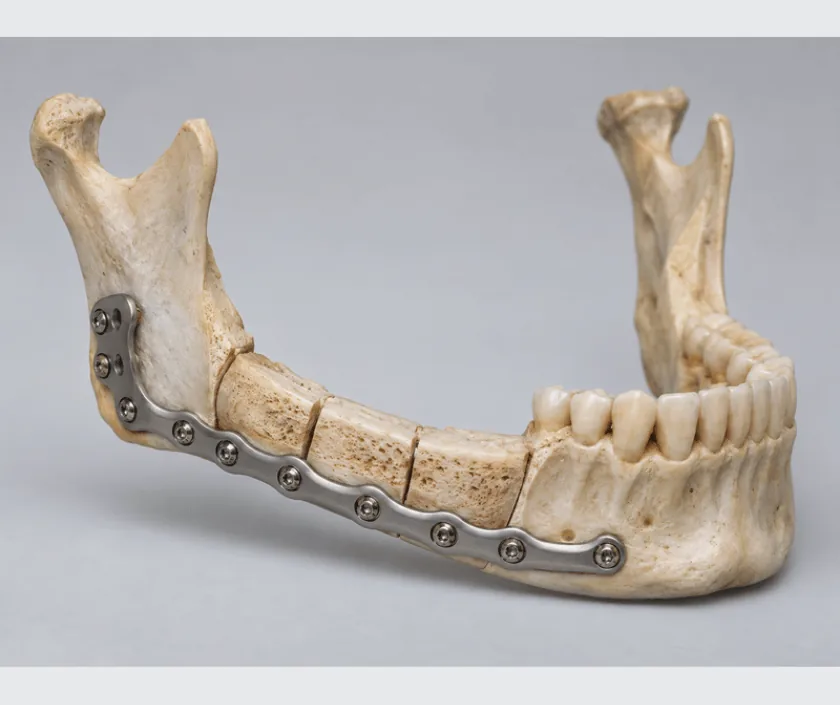
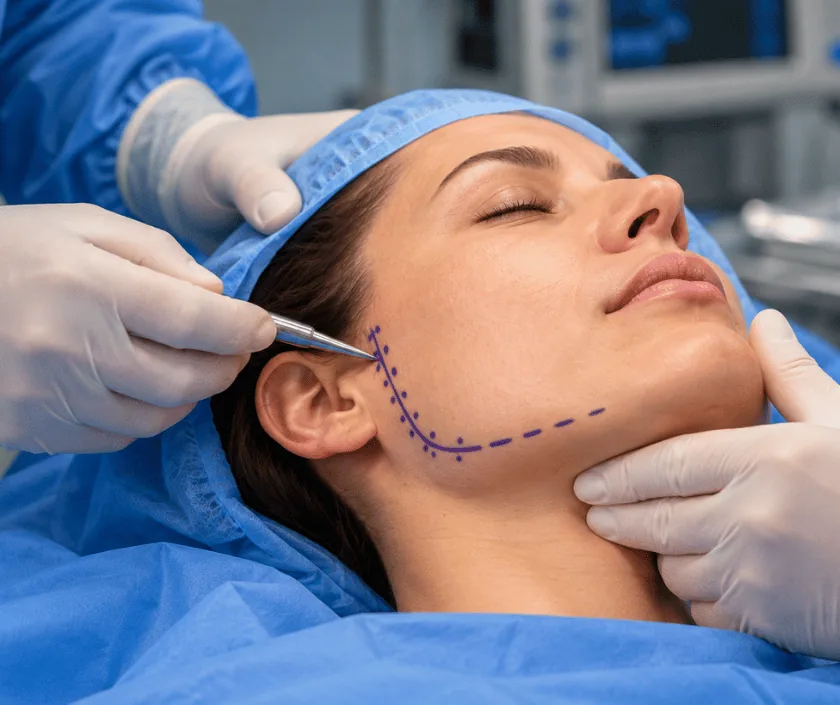
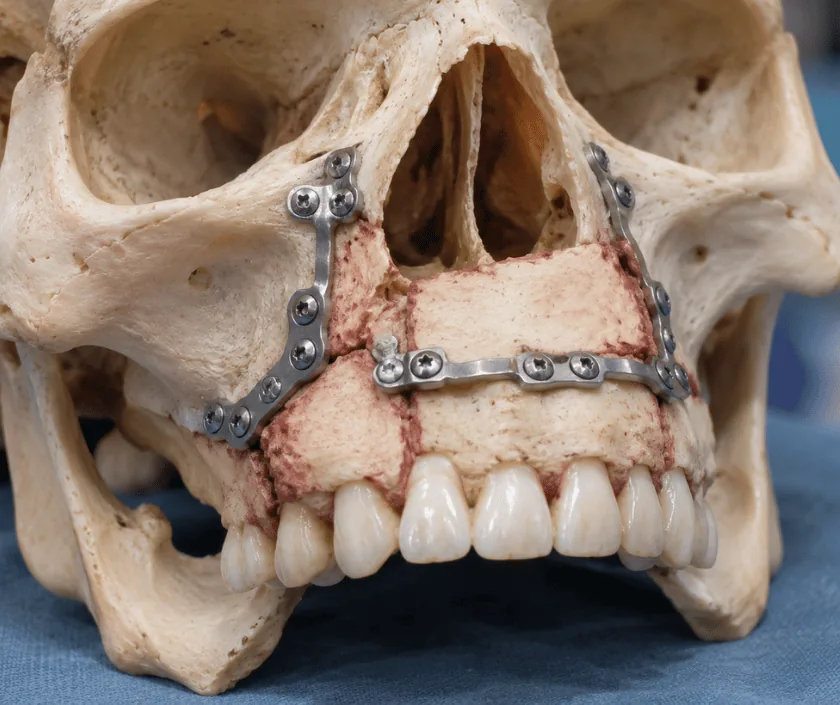
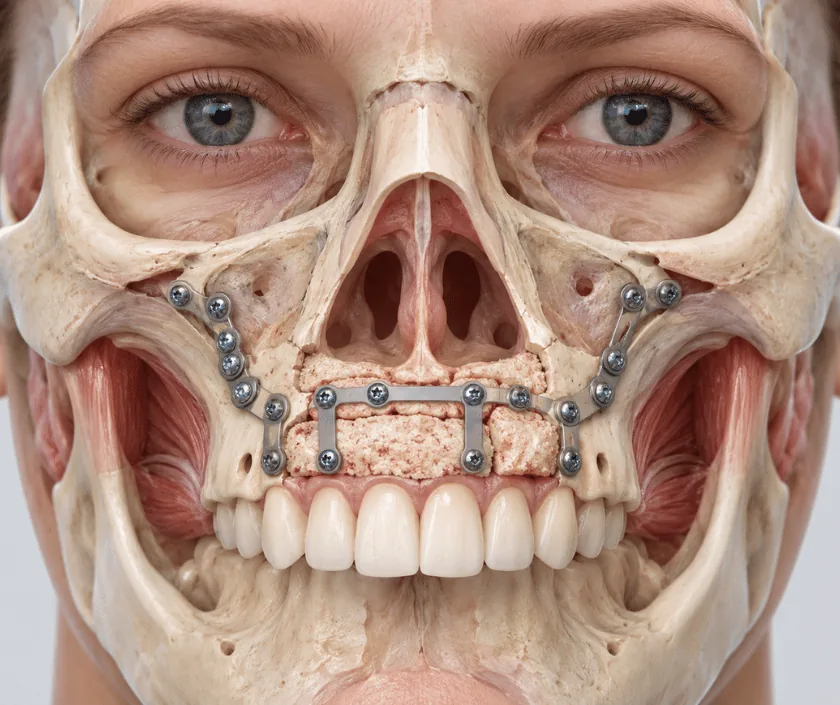
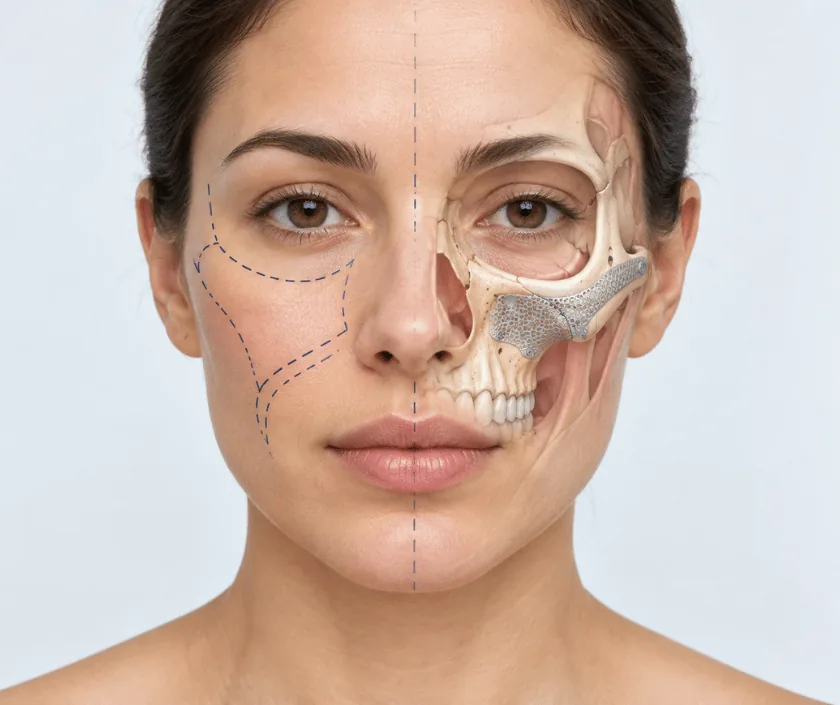
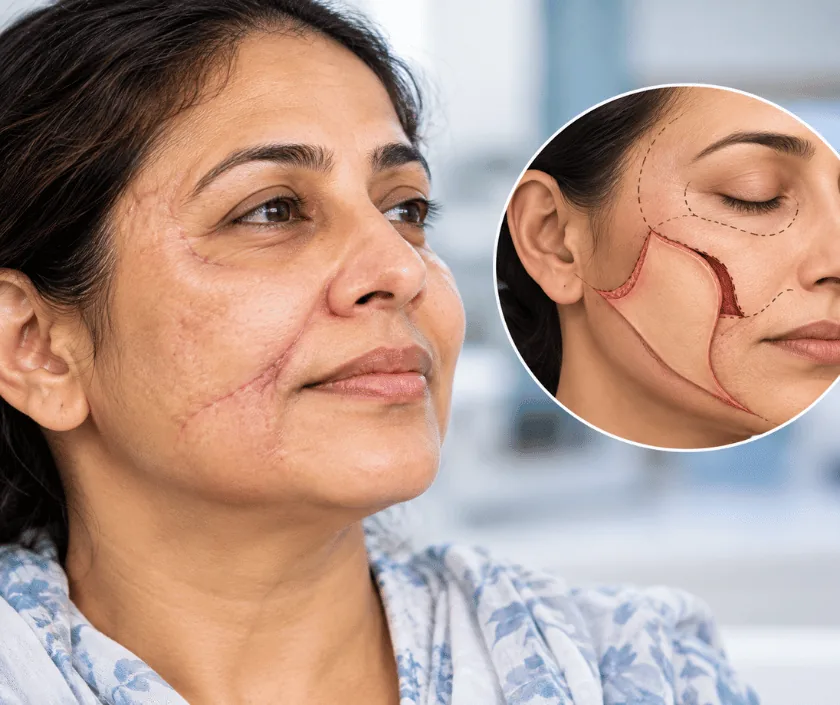
Thin bone under the eye often sinks after a blow, letting the eyeball drop backwards. Restoring that floor with a mesh or a fine graft brings the eye level again and can settle double vision. Timing matters, because scarring makes late correction harder.
Different gaps suit different donors. The lower leg gives a long straight strip that accepts dental implants well. Thicker blocks for shorter gaps come from the hip. A shoulder blade suits cases that need skin and bone together in one piece.
Rebuilt areas rarely match the skin around them at first. Scars fade slowly across many months. Thickness, colour and hair growth of a flap can often be improved later by thinning, laser or a small revision once healing is complete.
Surgery restores the frame, yet muscles still need retraining. Many patients work with a therapist on jaw opening, tongue movement and safe swallowing. Progress can vary, and steady daily practice usually helps more than any single long session in the clinic.
Certain changes after a facial injury or facial surgery should not wait for the next routine review.
← Back to Maxillofacial Trauma & Facial Skeletal Reconstruction
Below are the questions patients and families ask most often before deciding on this kind of surgery.
Ask your question →Cost depends on how much bone is missing, whether tissue must be moved with its own blood supply, which implants are used and how long the hospital stay lasts. A written estimate follows examination and scans. Insurance and government schemes often cover rebuilding after injury or cancer.
These are long operations, so a full fitness check comes first, covering heart, lungs and blood tests. Bleeding, infection, altered feeling and the chance that a moved flap fails are all discussed beforehand. Careful planning and close monitoring afterwards reduce the risk of trouble.
Most people spend several days in hospital, and longer when tissue is moved from another part of the body. Swelling settles over some weeks, while bone healing and the final shape take months. Diet stays soft early on. Recovery can vary a great deal.
The aim is a face that works well and looks balanced, not an exact copy of an old photograph. Many patients notice a large improvement in shape and in confidence. Scars stay visible to some degree, and further refinement is sometimes advised later.
Old injuries are corrected regularly. Bone that healed in the wrong position is cut and moved rather than simply reset. Planning takes longer because scarring changes the anatomy underneath, so a fresh scan is always needed before any firm advice can be given.
Early review is better. Broken facial bones sit easiest in the first days or weeks, before they knit in a poor position. Should that window have passed, treatment is still possible, so it remains worth arranging an assessment instead of waiting any longer.
Your face and bite are examined, earlier records and scans are reviewed, and photographs are taken for planning. Options are explained with their stages, risks and likely timeline. Bring a family member if you wish, and take your time before deciding.
