A cleft is a gap that forms before birth, when parts of the lip or the roof of the mouth do not join fully. Craniofacial differences are a wider group that also takes in the shape of the skull, the eye sockets and the jaws. Parents usually hear these words at a scan or in the delivery room, with almost no time to take them in. The terms sound frightening, yet most of these differences follow patterns that reconstructive surgeons see and treat regularly.
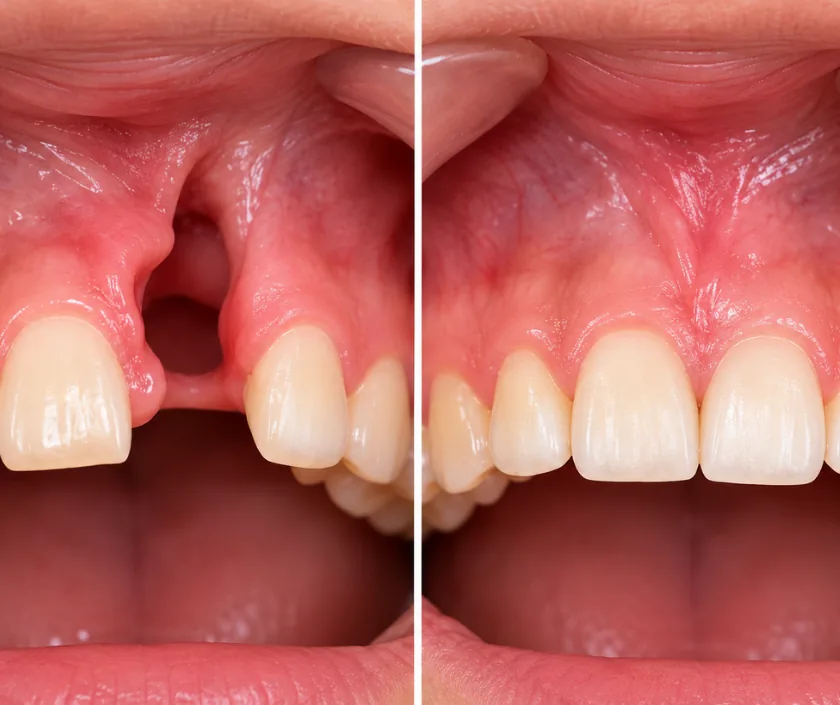
This page sets out how the main groups differ, so you can work out roughly where your child sits before you meet the team. Care is planned over years rather than weeks, and it draws in speech therapists, dentists, ear specialists and paediatricians alongside the surgeon. Elegance Clinic in Surat walks with families through that whole journey. Nothing written here replaces an examination, and every plan is built around one child.
The group your child falls into decides the order of operations and which specialists join the team. Two children carrying the same label can still need very different plans.
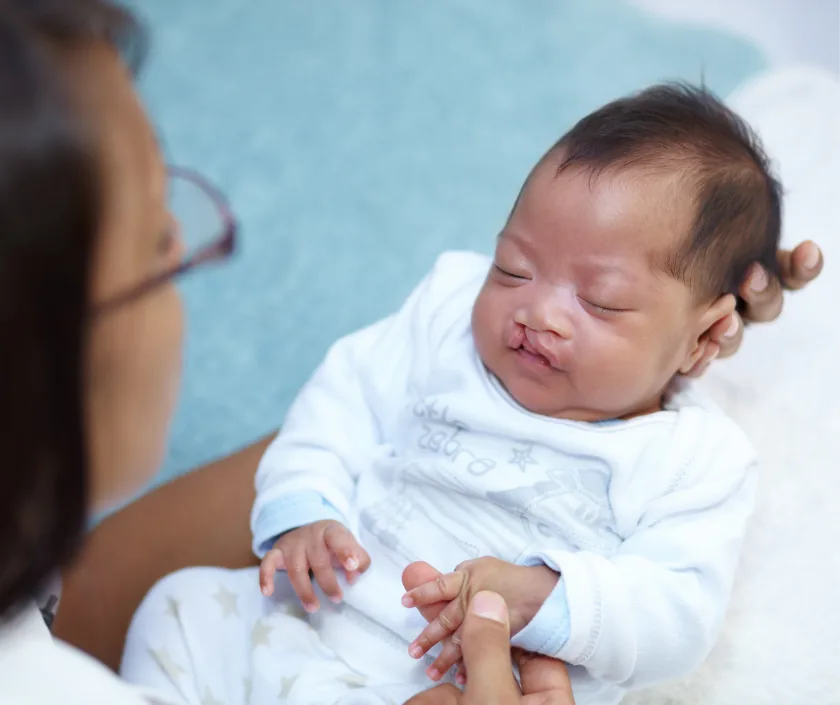


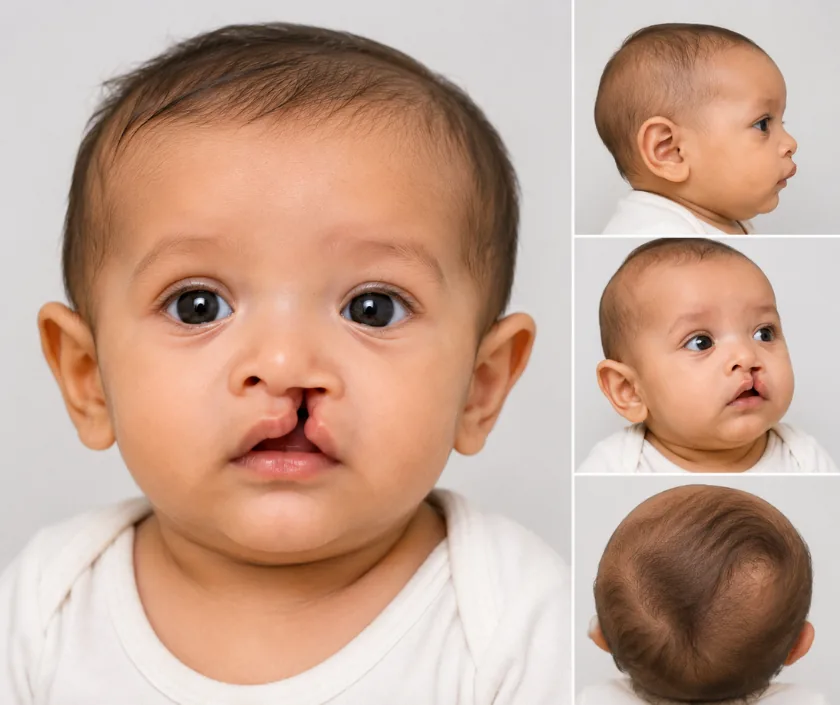
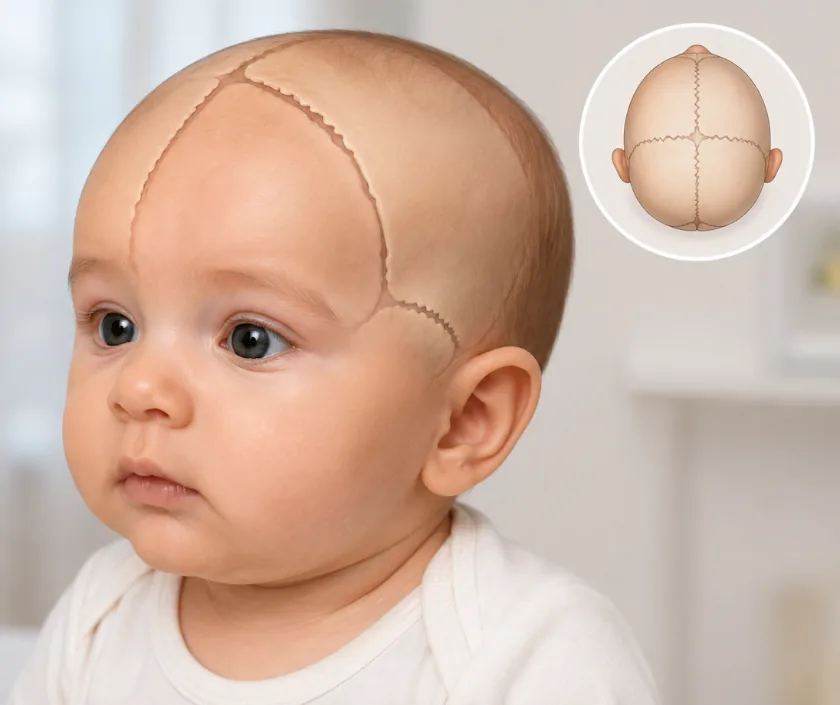
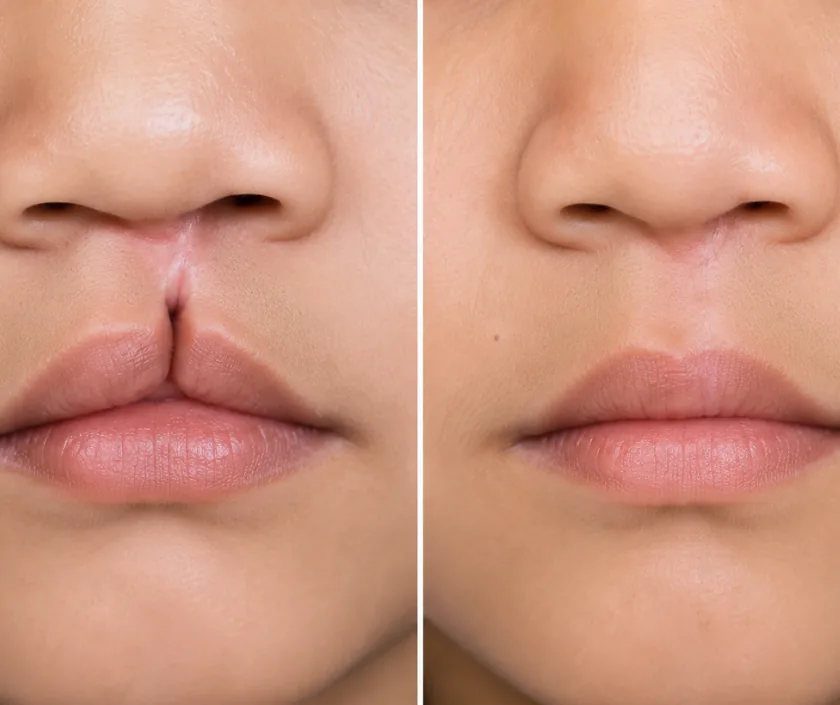
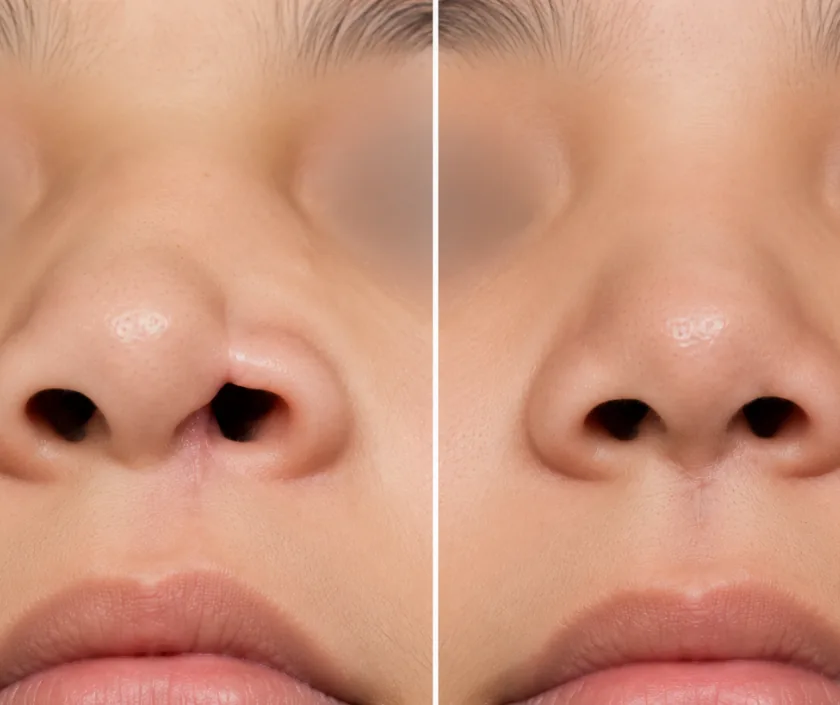
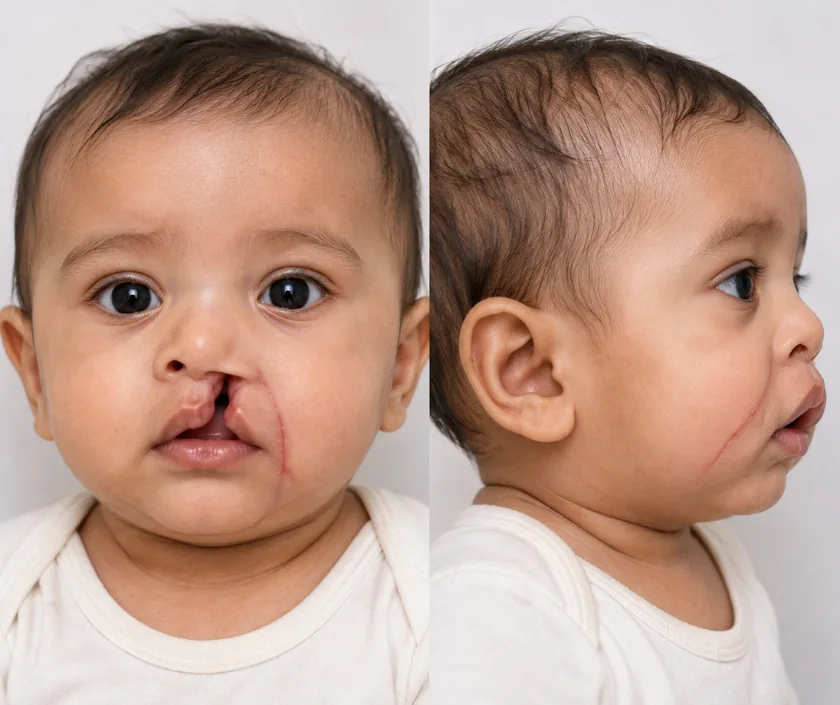
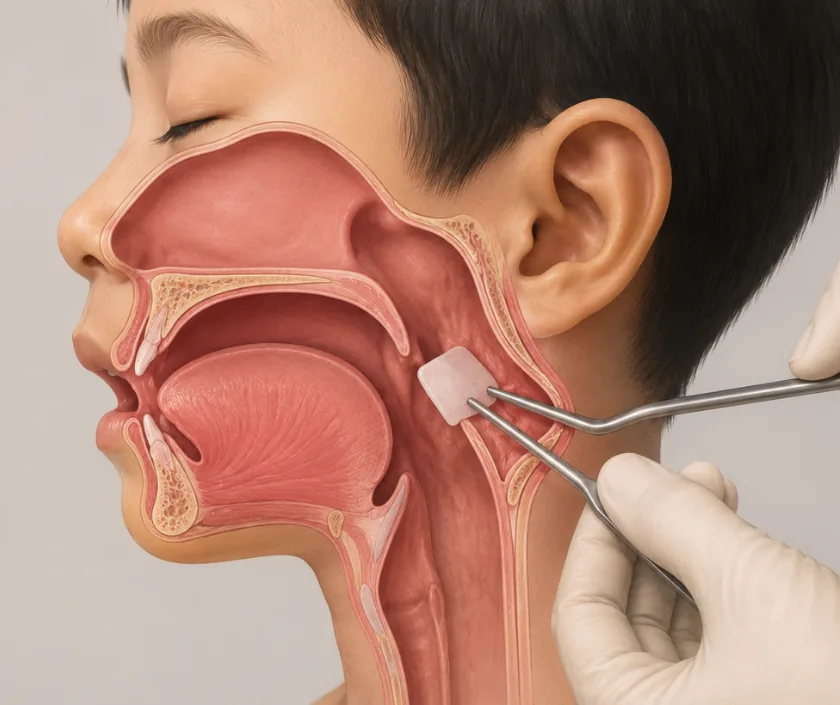
Milk often escapes into the nose, and a baby may tire quickly at the breast or bottle. Special teats, careful positioning and frequent weighing all help before any operation. A feeding advisor usually meets the family in the first days, because steady weight gain decides when surgery can safely go ahead.
Even after a sound repair, some children push air down the nose while speaking, and glue ear can dull hearing during the years when language is forming. Regular speech assessment and hearing tests belong to cleft care rather than sitting outside it, and small grommets are sometimes needed.
Teeth in a cleft area often come through crooked, missing or out of order. Braces guide them once the adult teeth appear. In some teenagers the upper jaw grows less than the lower one, and jaw surgery is discussed only after growth has finished.
Some children have differences of the eye sockets, cheekbones or ear region that do not fit the common cleft patterns. Craniofacial microsomia and rare facial clefts sit in this group. Scans and a team plan are needed, and treatment is usually spread across childhood in planned steps.
Cleft care runs to a planned timetable, yet a few situations should not wait for the next scheduled appointment.
Short answers to the worries that come up most often in clinic. Your own plan will be explained face to face.
Ask your question →Cost depends on which repair is needed, the age of the child, the length of hospital stay and whether anaesthesia and speech follow up are counted in. A written estimate follows the examination. Several government and charitable schemes support cleft care in Gujarat, and the team can explain which may apply.
Repairs are timed so the baby is strong enough for anaesthesia, which is why weight, feeding and blood tests are checked first. Paediatric anaesthesia is a well established field. Risks such as bleeding, infection or a small opening at the repair site are explained honestly before consent.
Most babies go home within a few days and feed again fairly quickly, often using a softer teat for a while. Swelling settles gradually over some weeks. Arm splints or mitts may be advised so that the baby cannot rub the healing wound.
A scar always remains, though it is placed along the natural lines of the lip so it grows less obvious with time. Redness fades slowly across many months. Massage, sun protection and, for some children, a small revision later can improve how it settles.
Older children and adults can still be helped. Plans change with age, because speech habits are set and the jaw has already grown, so therapy and dental treatment take a larger role. An assessment shows what surgery can realistically add at that stage.
Breathing difficulty is the one sign needing same day attention, especially in a newborn with a small lower jaw. Poor feeding with weight loss also calls for quick review. Seeing a cleft on its own is not an emergency, even though it feels like one.
Your child is examined, feeding and weight are reviewed, and photographs are taken for the record. You will hear the likely order of operations and a rough timeline for the coming years. Bring any scan reports, birth records and a written list of questions.
