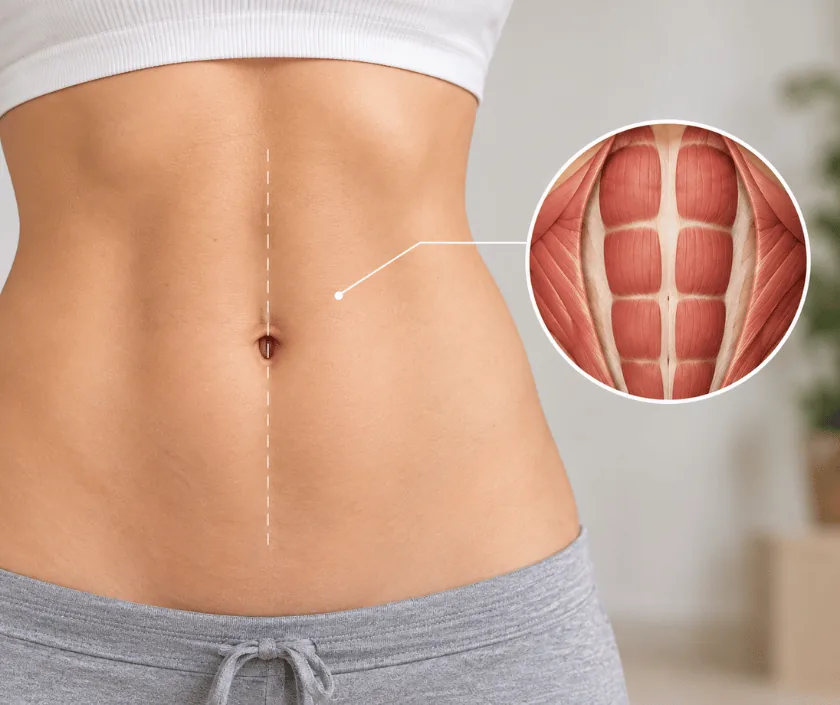
The abdominal wall is a layered sheet of muscle and strong fibrous tissue that holds the contents of the belly in place and supports the spine during lifting, coughing and standing. Once that sheet is torn, stretched or partly missing, the bowel pushes forward into a bulge. Simple stitching of a large defect tends to pull apart, because the same forces that caused the problem act on the repair.
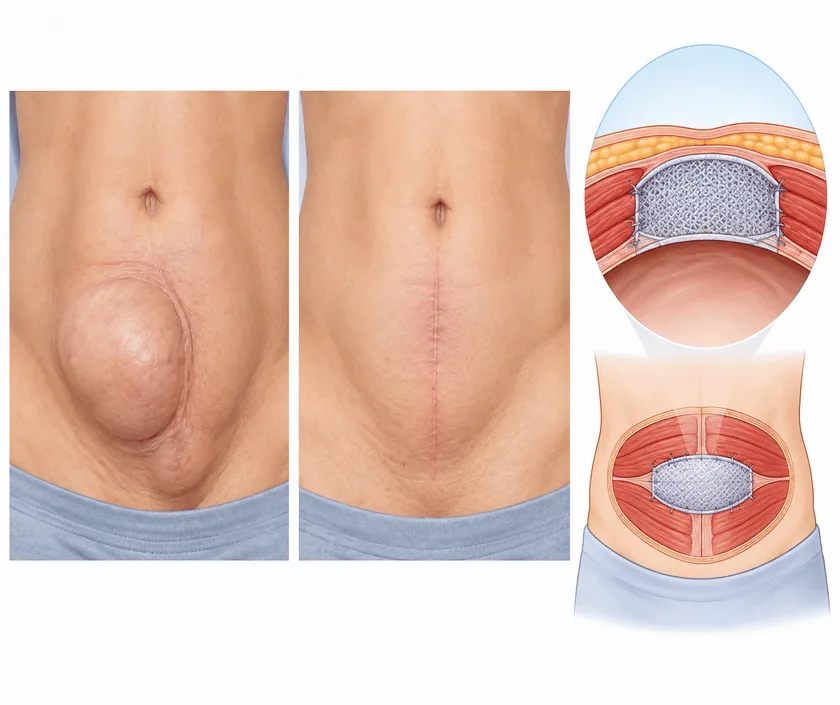
Reconstruction aims to bring the muscles back to the midline, restore the natural corset action and add support that lasts. Techniques range from careful release of the muscle layers so they meet again, to mesh placed in a chosen plane, to living tissue brought in when skin is missing or infected. The plan takes account of previous operations, mesh already in place, stomas, weight, smoking and diabetes. Preparation before the date is fixed is part of the treatment itself.
Surgeons look at where the defect sits, how wide it is, whether mesh or infection is already present, and whether the skin can be closed. Those factors set the operation.
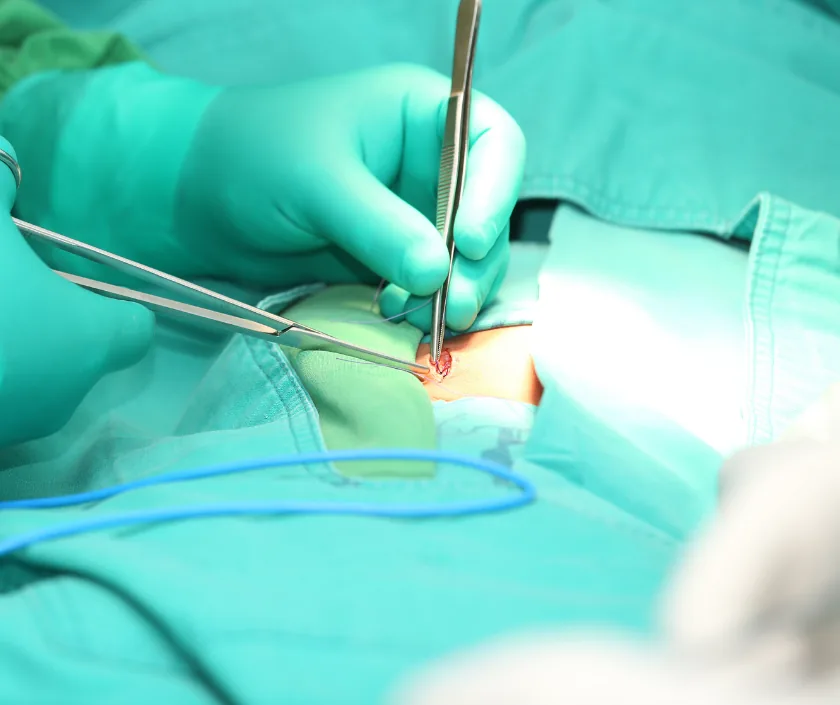
Mesh can sit above the muscle, behind it, or between the muscle and its lining. The plane matters more than the brand, because a well placed sheet is held by tissue on both sides and is less likely to shift, fold or rub against bowel.
The flat muscles of the flank are divided in a planned line so that the midline muscles slide inward and meet. Nothing is removed and the wall keeps its own strength. This release makes a wide gap closable that could not otherwise be joined.
Stopping smoking, improving sugar control and reducing weight all lower the chance of the repair failing. Chest and heart fitness are checked, since coughing and straining put load on a fresh repair. This preparation phase is part of the treatment.
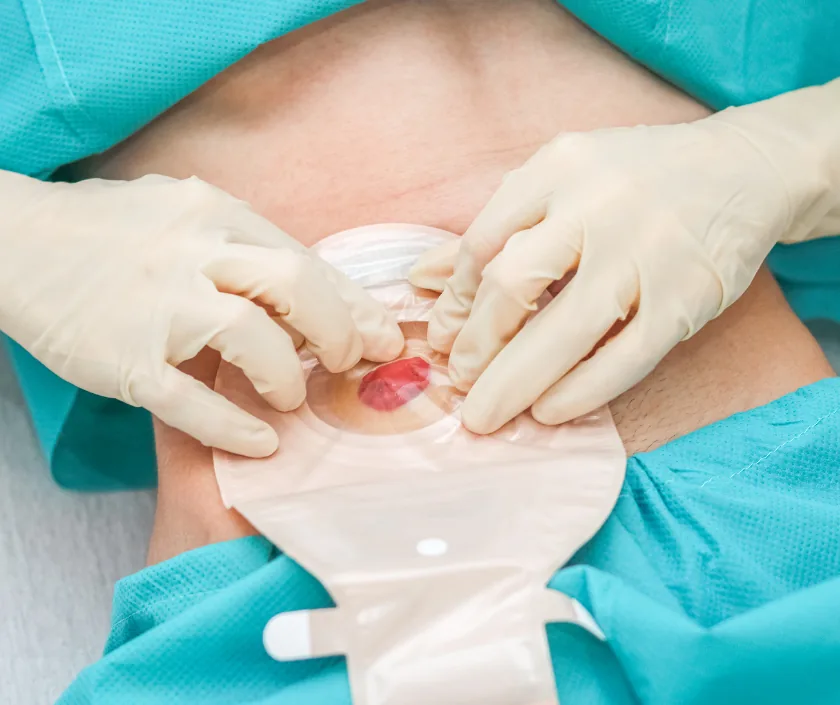
A stoma changes where mesh can be placed and how the wall is closed. Hernias around a stoma are common and can often be repaired at the same time, sometimes by moving the stoma to a fresh site with better muscle support.
Most hernias enlarge slowly, but a trapped hernia is an emergency and should never be left overnight.
These come up most often when a hernia is large or when an earlier repair has failed.
Ask your question →Cost varies with the size of the defect, the type and amount of mesh, whether releases are needed and how long you stay in hospital. A written estimate follows examination and a scan. Many repairs qualify for insurance, so bring your documents.
Mesh has been used for decades and most people never have trouble with it. Problems such as infection or shifting are uncommon and are more likely when it is placed in a contaminated field. Material and plane are chosen to reduce that chance.
Light walking starts early, while lifting, gym work and heavy manual duties are held back for some weeks so the repair can knit. Desk work resumes sooner. Recovery can vary with the size of the repair and your general fitness.
Bringing the muscles back to the midline usually improves the contour and the bulge is much reduced. This is a functional repair rather than a cosmetic operation, so loose skin, scars and some asymmetry may remain.
Recurrence is possible, particularly with smoking, weight gain, poorly controlled diabetes, chronic cough or heavy lifting too soon. Careful preparation, correct mesh placement and following the activity advice all reduce the chance considerably.
A recurrent bulge that is soft and reducible can be assessed at a routine appointment. Sudden pain, hardness, vomiting or skin changes need emergency assessment, because trapped bowel loses its blood supply quickly.
The abdomen is examined standing and lying, previous operation notes are reviewed and a scan is usually arranged to measure the defect and check the muscles. Your plan, preparation steps, recovery time and risks are then discussed in plain words.
