Healing skin after a deep burn does not simply close. It shortens. The new tissue is stiff, it pulls steadily on everything around it, and over months that pull can bend a neck forward, hold an arm against the chest or curl fingers into the palm. Surgeons call the result a contracture, and it is the commonest reason a burn survivor comes back years after the wounds have closed.
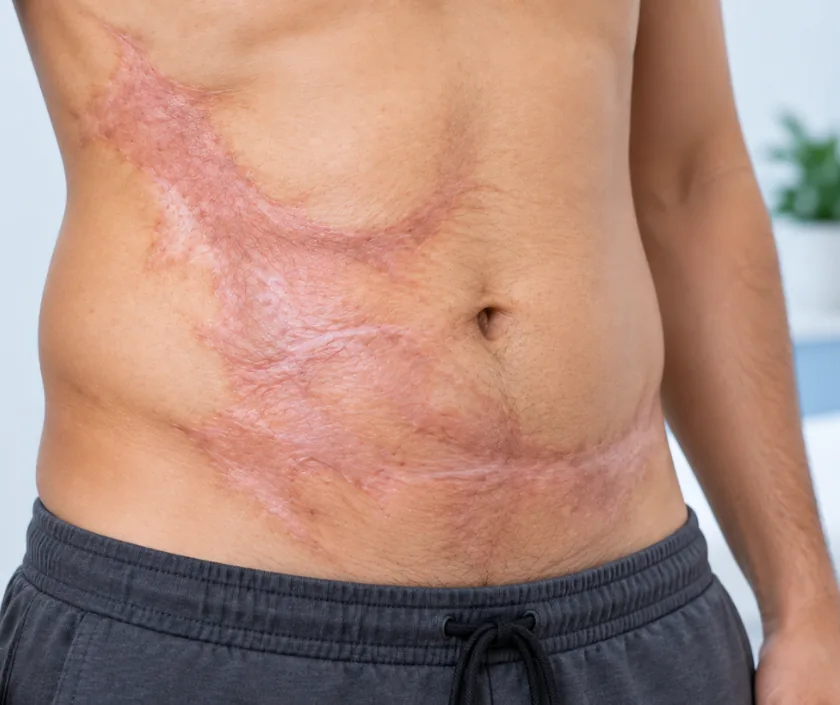
The encouraging part is that contractures respond well to treatment. Releasing the tight band and replacing the missing skin restores movement in most cases, particularly when physiotherapy follows properly. Many patients regain functions they had written off, from raising an arm to closing the mouth around a spoon. This page sets out how contractures are grouped and what release surgery involves. Elegance Clinic in Surat assesses each contracture together with a physiotherapist before any plan is agreed.
Surgeons describe a contracture by its pattern and by how deeply it reaches, since those two things decide whether a simple rearrangement of skin will do or whether new tissue must be brought in.
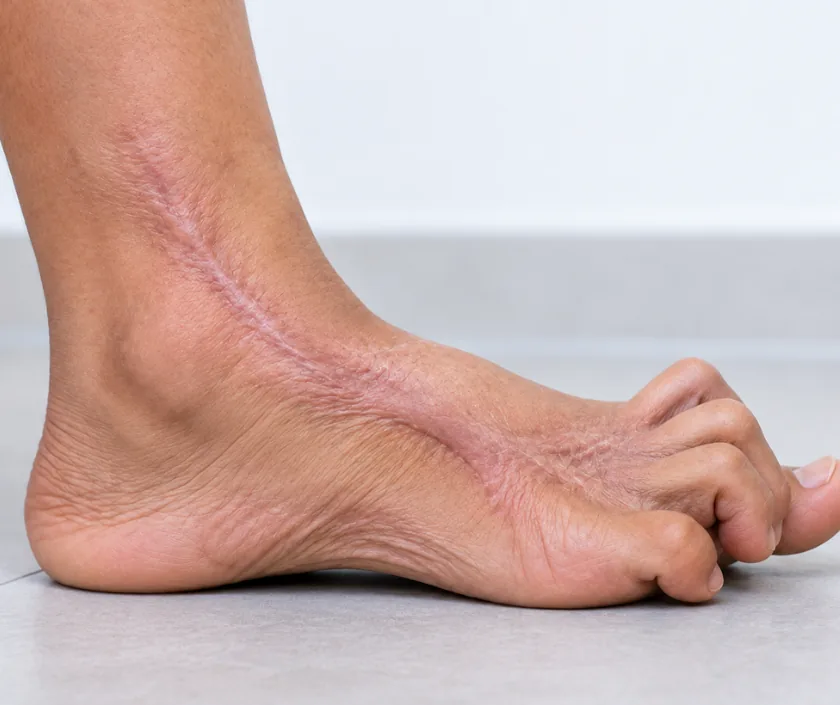
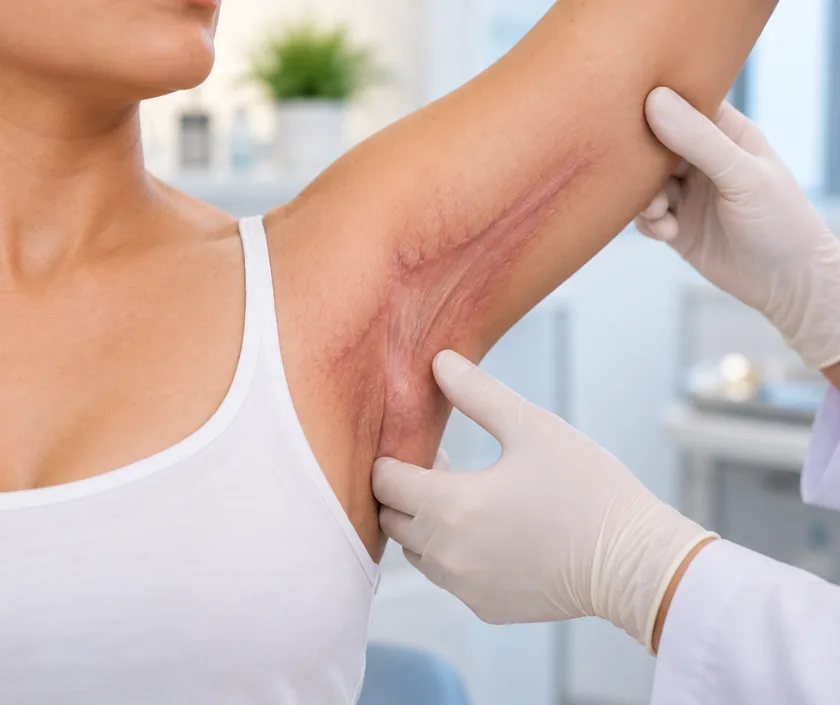
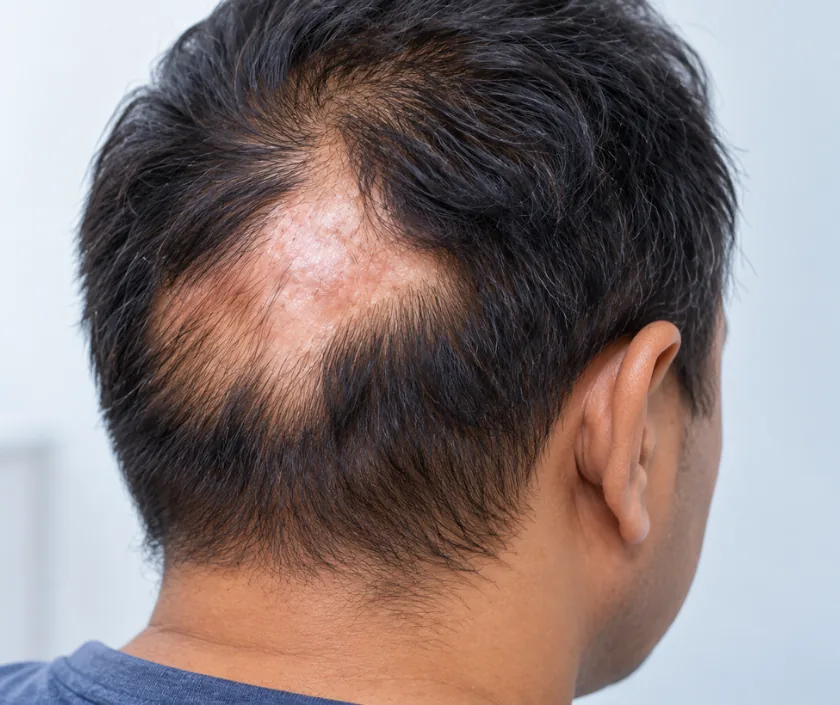
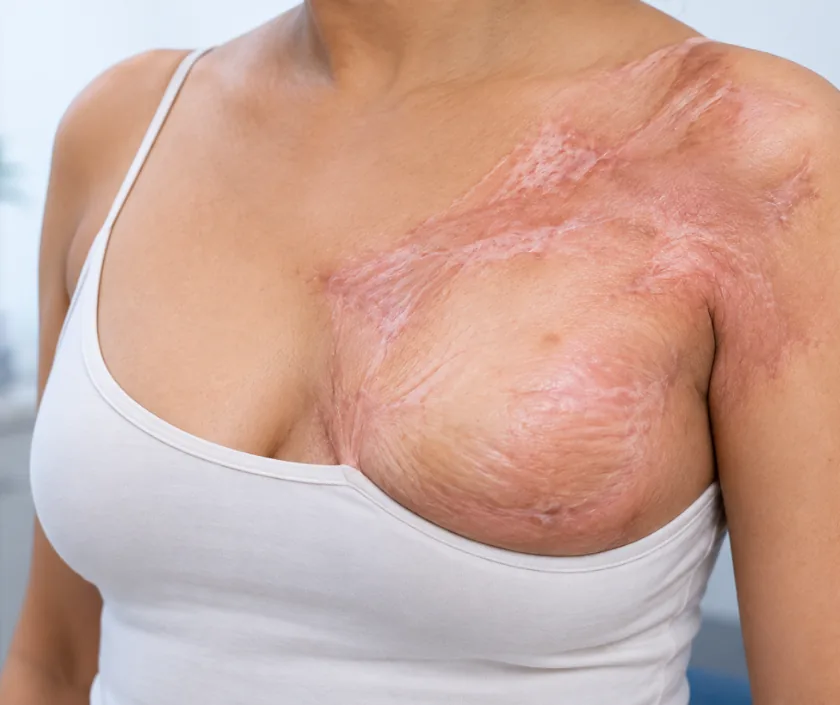
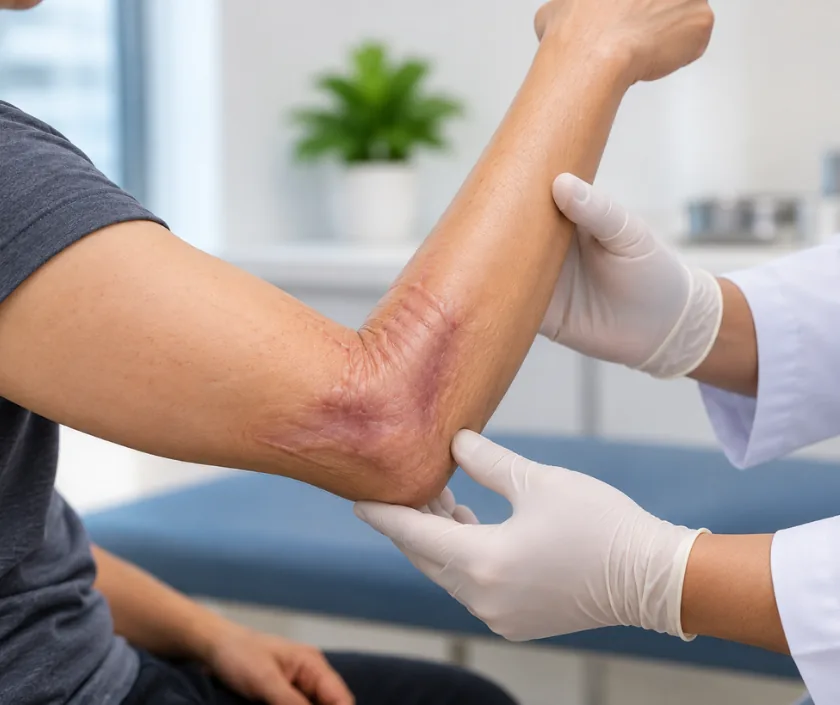
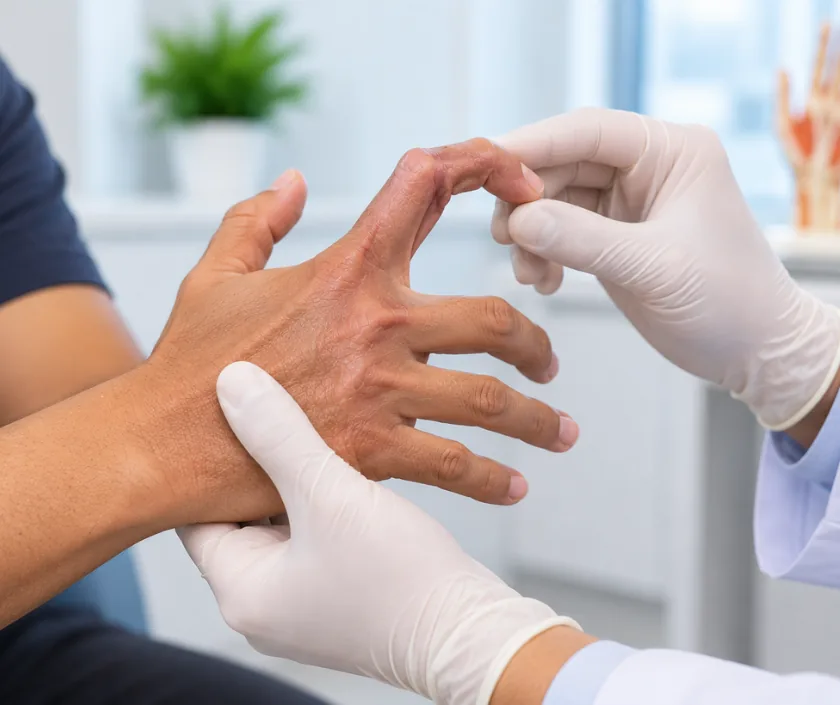
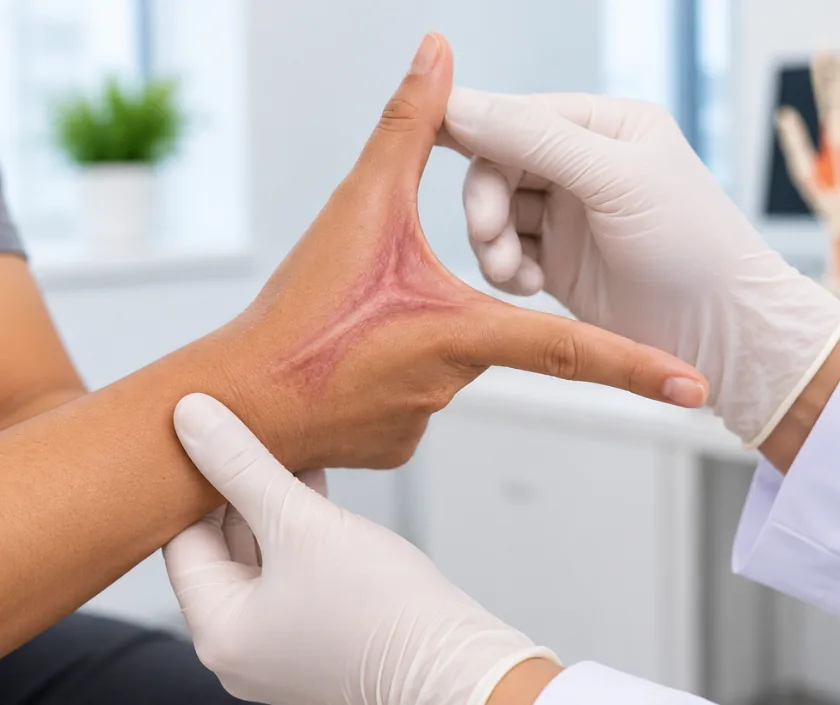
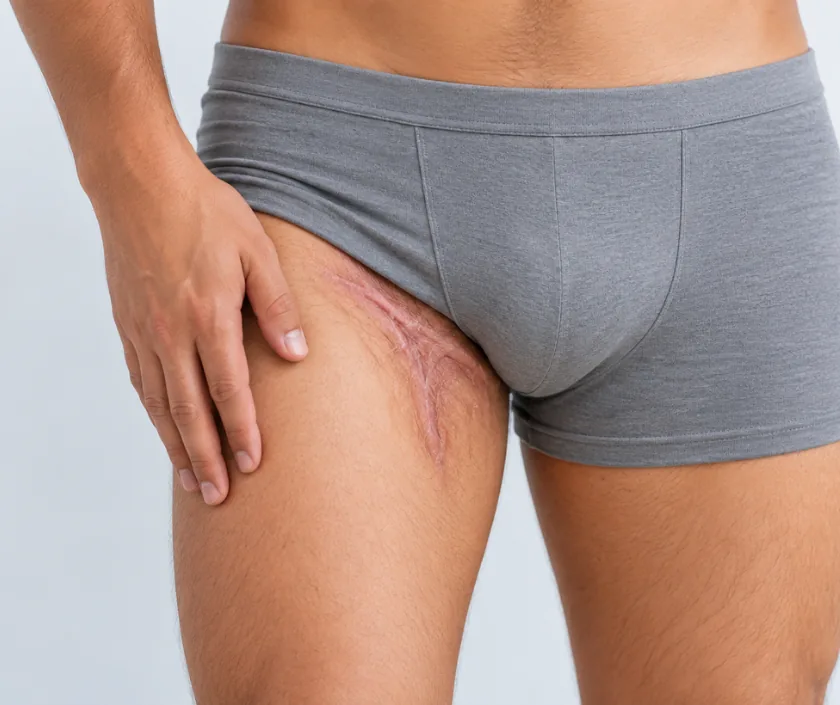
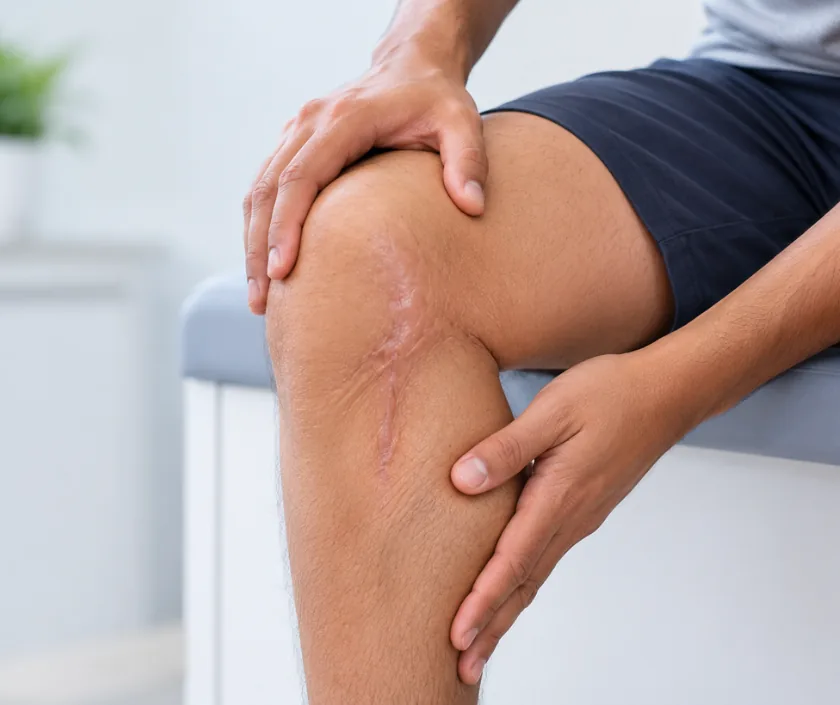

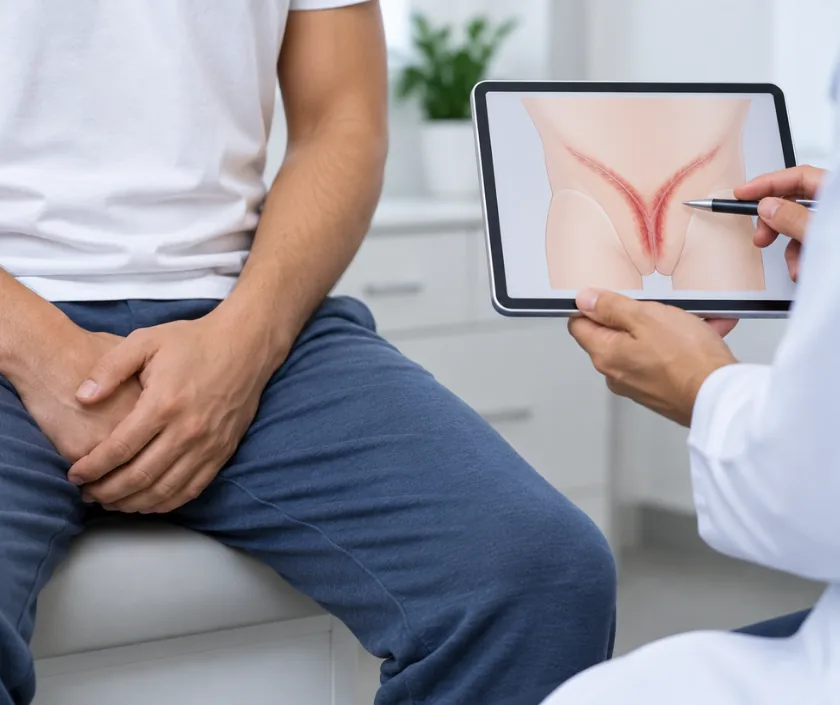
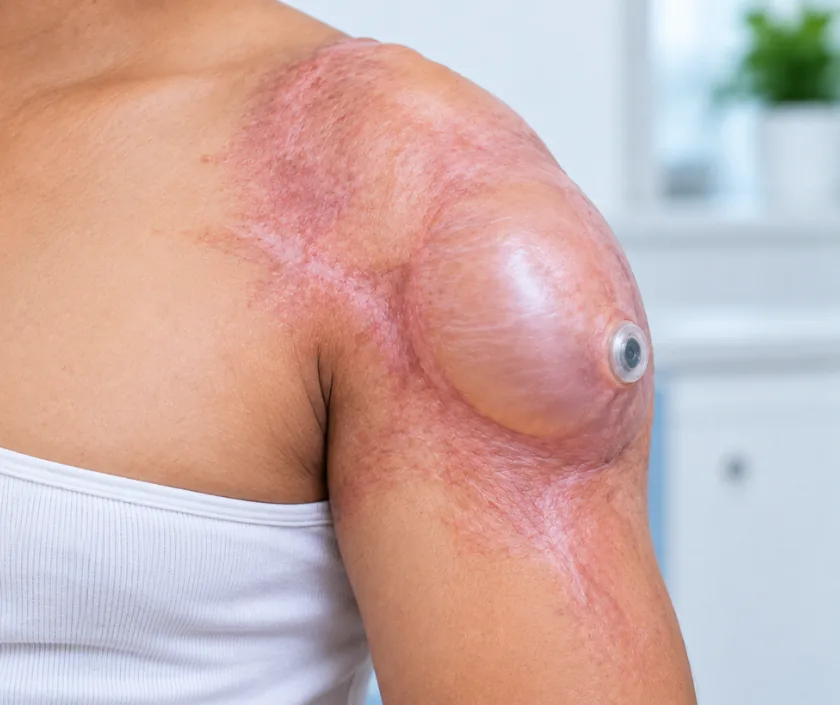
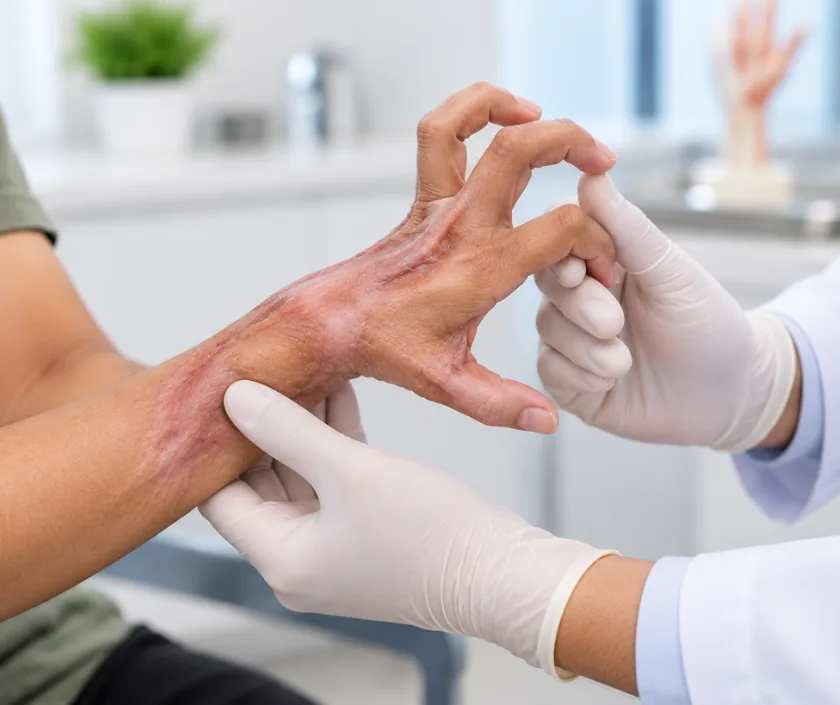
Surgery buys length, while therapy keeps it. Pressure garments flatten a maturing scar, splints hold the released position during the night, and daily stretching maintains the range gained in theatre. Patients who skip this phase frequently find the tightness returning within a matter of months.
Fresh scar is red, raised and inflamed, and it tends to tighten again if operated too soon. Waiting until it has softened and paled usually gives a more stable result. Exceptions are made when an eyelid cannot close, a joint is dislocating or a child growth is being held back.
Where surrounding skin is healthy, a silicone balloon can be placed beneath it and gradually filled over weeks to grow extra cover. That expanded skin matches in colour and texture. Elsewhere, tissue is moved from a distant site on its own blood supply to resurface the released area.
Scar does not stretch as a child grows, so a release that worked at five may tighten again by ten. Families are told at the outset that further operations across childhood are likely. Regular review lets each one be planned early rather than after function is lost.
Contracture release is usually planned rather than urgent. The following situations need earlier assessment because delay costs function.
Points raised regularly by burn survivors and their families. Your own assessment will cover what applies in your case.
Ask your question →Charges depend on the site, whether a graft or a flap is required, how many areas are treated in one sitting and the hospital stay. Tissue expansion costs more because it involves two operations. Splints, garments and therapy sessions are quoted separately in the written estimate.
Contracture release is a routine reconstructive operation, though it is planned around your general health, nutrition and the condition of the surrounding skin. Bleeding, partial graft loss, infection and some tightening returning over time are the recognised risks, and each is discussed before consent.
The graft or flap needs a protected period first, during which the part is splinted. Therapy then starts and continues for months. Light activity resumes within a few weeks in most patients, while regaining full movement is a slower process that depends heavily on exercises done at home.
Substantial improvement is usual, and many patients regain enough range for daily tasks that had become impossible. Complete return to the movement you had before the burn is uncommon, especially where joints have been stiff for years. Goals are agreed in advance with the physiotherapist.
Yes. Old contractures are released routinely, and patients are often surprised by what remains achievable decades later. Long standing joint stiffness may limit the final range, so an examination and sometimes an image of the joint are needed before predicting the likely gain.
An eyelid that cannot close puts the eye at genuine risk and needs prompt treatment. A chronic ulcer within an old scar must always be biopsied, since long standing burn scars can occasionally change. Nerve compression under a tight band also calls for earlier surgery.
Movement is measured at each affected joint, the quality of nearby skin is checked as a donor site, and photographs are taken. A physiotherapist usually joins the visit. You will leave with a staged plan, an idea of how many operations are likely and the therapy commitment involved.
