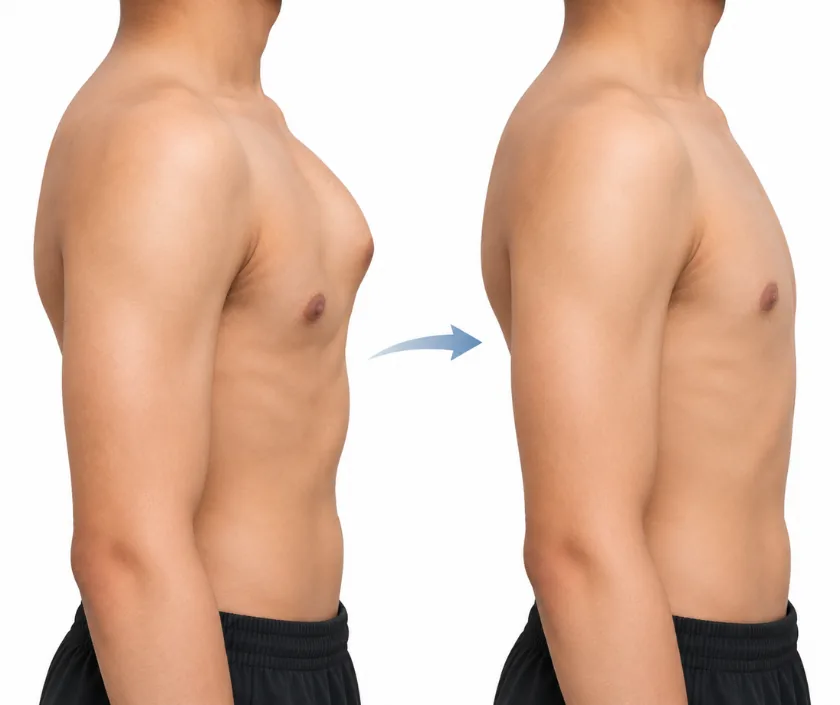
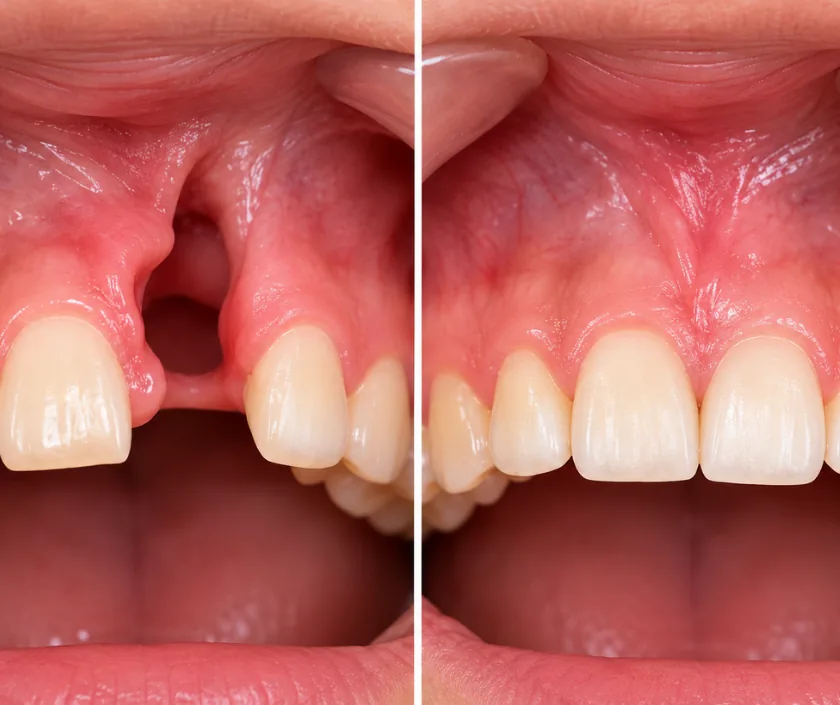
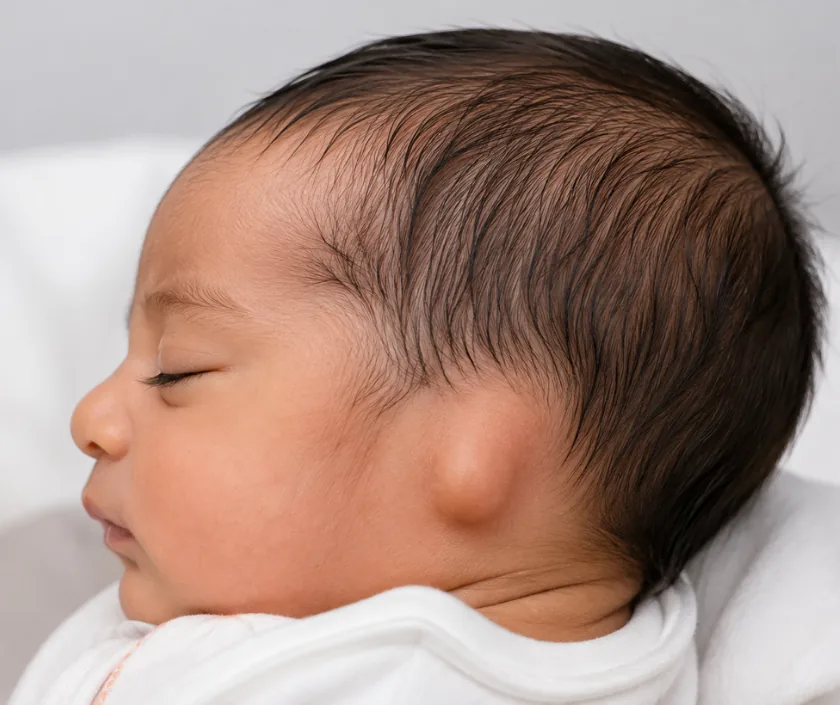
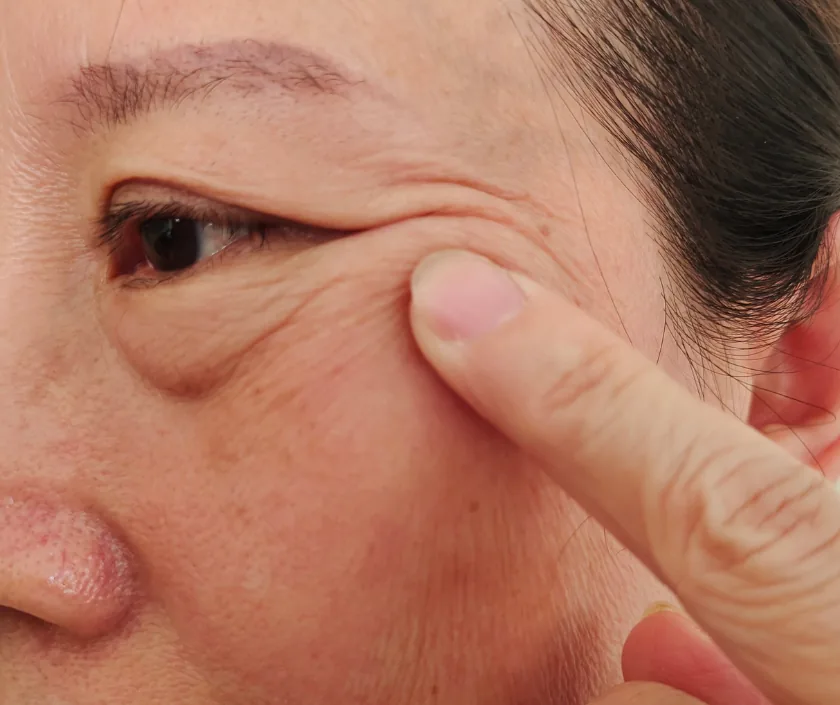
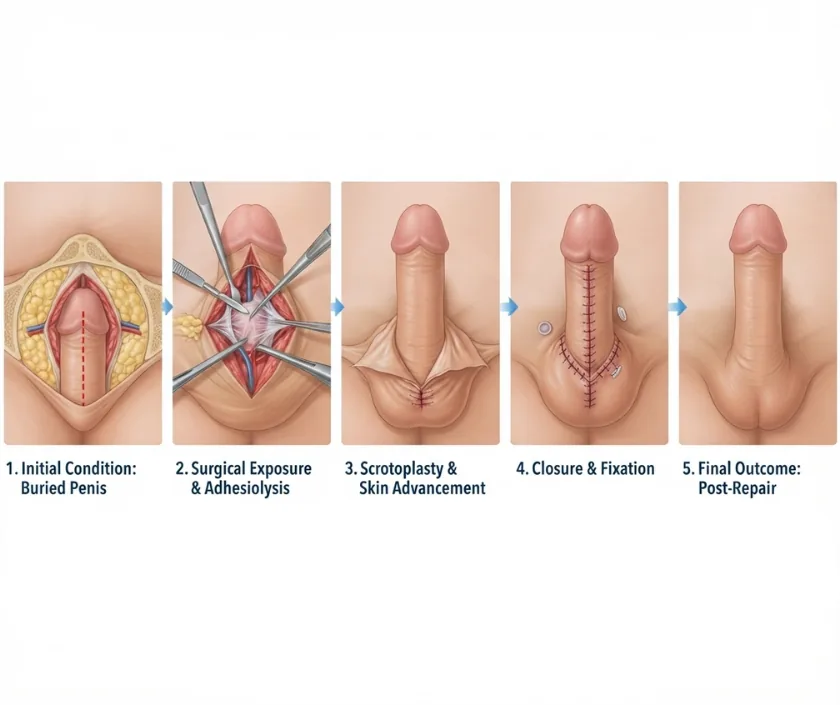
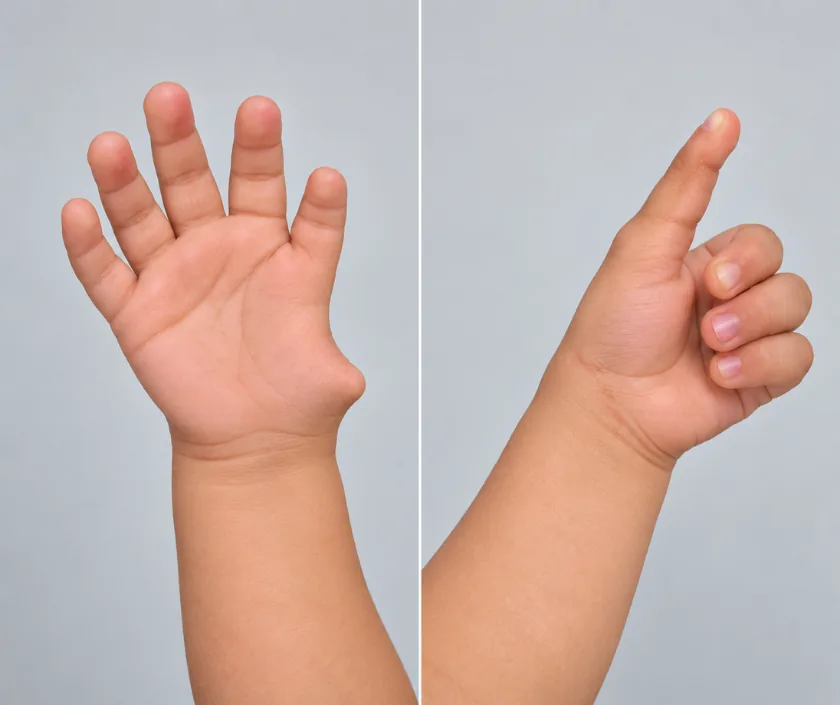
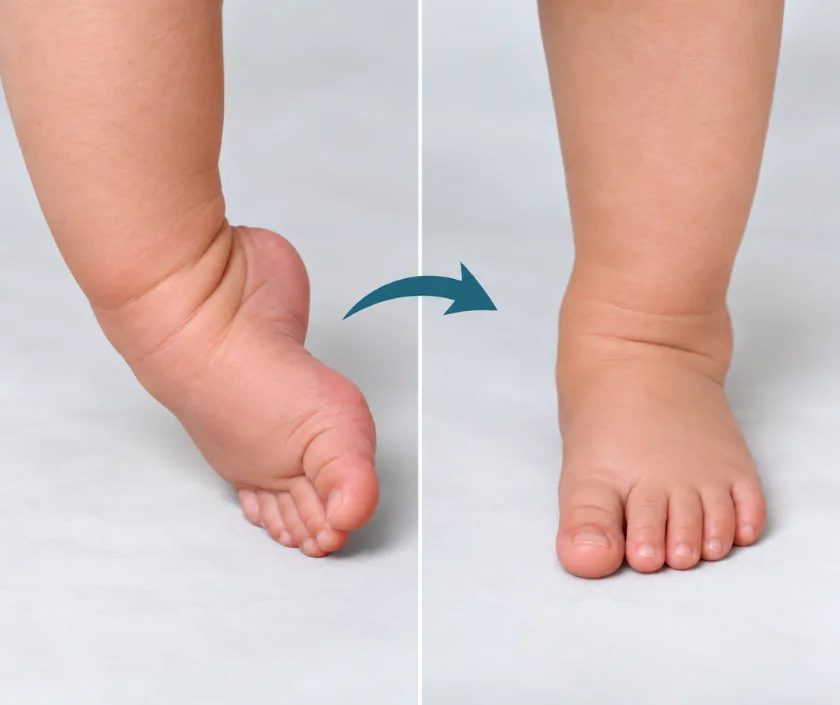
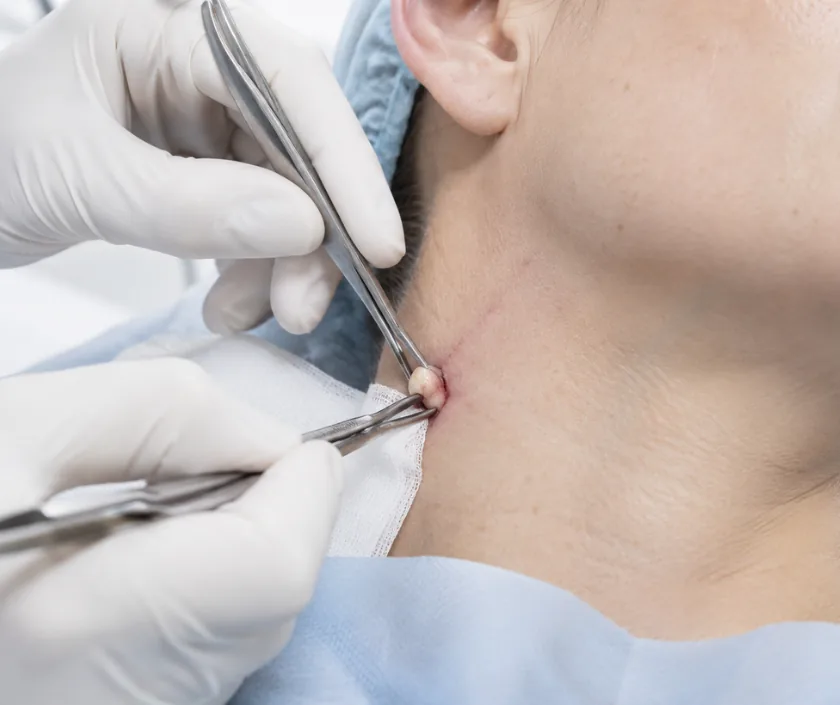
Birth differences of the face, hands, ears and urogenital tract, corrected on a timeline built around your child's growth, speech and schooling, not around a single operation.
Newborns to teenagers with a difference of the face, hands, ears, chest or urogenital tract.
Feeding, weight and growth review, photographs, and a written staged plan. No decision on day one.
Paediatric equipped theatre with dedicated paediatric anaesthesia and day care recovery.
Ayushman Bharat PM JAY, RBSK and most mediclaim policies for functional correction.
Congenital work is staged. Each operation is timed so that the next one is easier, and so that growth, speech and school are disturbed as little as possible.
Diagnosis confirmed, feeding and weight stabilised, parents given the full staged plan in writing.
Cleft lip repair, syndactyly release where urgent, and early ear moulding if the child presents in time.
Palate closure for speech, hypospadias repair, and hand procedures timed before grasp patterns fix.
Speech assessment and secondary palate surgery if needed; alveolar bone grafting with orthodontic input.
Scar revision, rhinoplasty and any residual correction once facial growth is essentially complete.
"A cleft lip closed neatly at six months can still distort as the face grows. The operation that matters is the one that still looks right at fifteen."
Congenital reconstruction is the discipline of anticipating growth. Tissue planning, scar placement and staged revision judged over a childhood, not a dressing change.
Dr. Shah plans with paediatricians, anaesthetists, speech therapists and orthodontists, so surgery sits inside a whole care plan rather than standing alone.

Published with documented parental consent, generalised for age and sex, in line with advertising norms applicable to medical practitioners in India.
Cleft, hypospadias and hand anomalies are functional corrections. They are generally payable under Ayushman Bharat PM JAY, RBSK and most mediclaim policies. We handle the paperwork and give a written estimate before admission.
Ask for an estimate →If your question is not here, send your child's photographs and reports on WhatsApp. You will usually have an opinion the same day.
Ask your question →Lip repair is usually done between 3 and 6 months, once the baby is feeding well and weight and haemoglobin are adequate. Palate repair follows at roughly 9 to 18 months so that speech develops on a closed palate.
Often yes, and that is planned from the start rather than being a sign that something went wrong. A cleft child may need lip repair, palate repair, alveolar bone grafting around 8 to 11 years and occasionally rhinoplasty after growth is complete.
The preferred window is 6 to 18 months. Anaesthesia is safe at this age, healing is excellent and the child has no memory of it. Repair remains possible later, but the tissue is less forgiving.
Scars are placed in natural lines, the lip philtral column, the ear helical rim, finger creases. They look red and firm for two to three months, then soften considerably by nine to twelve months with silicone, massage and sun protection.
With a paediatric anaesthetist, modern monitoring and correct timing, yes. We do not operate on a child with an active chest infection or below the weight and haemoglobin thresholds, which is why some dates get postponed.
Yes for eligible families. Cleft lip, cleft palate, hypospadias and most hand anomalies are listed functional procedures under PM JAY, and children are also screened under RBSK. Our team helps with the documentation.
Most children develop normal or near normal speech when the palate is closed by 18 months and speech therapy is followed up. A minority need a secondary procedure for nasal air escape, usually assessed around 4 to 5 years.
Send photographs and any reports on WhatsApp for a preliminary opinion. If surgery is likely, we tell you what will be needed, the expected stay and a cost band before you make the trip, and schedule investigations for the day of arrival.