When an implant becomes infected or starts to show through the skin, salvage surgery attempts to keep it in place. Success depends largely on how early the problem is caught, and sometimes removal is the safer choice.
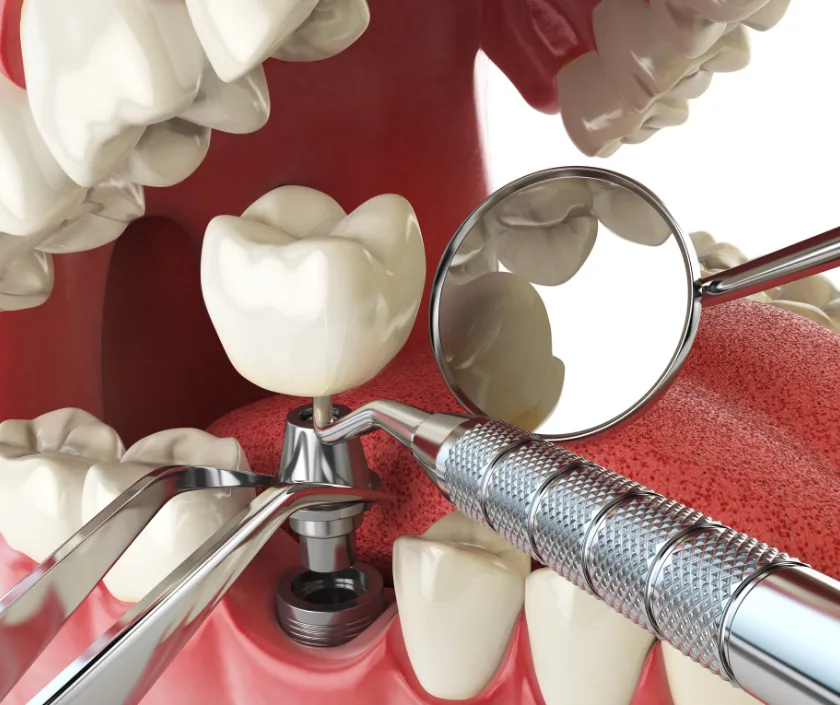
Implant salvage surgery is an attempt to keep an implant threatened by infection, exposure or a thin skin envelope. The wound is opened and cleaned, unhealthy tissue is removed, and healthy tissue is brought over the implant to give it proper cover. Antibiotics support the surgery. Where infection is heavy or the tissue is poor, removal followed by later reconstruction becomes the safer path.
Implants used in reconstruction and cosmetic surgery sit in a pocket lined by your own tissue. Trouble begins when that lining thins, breaks down or becomes infected. Redness, pain, a fluid collection or a patch of skin that looks about to give way are the usual warnings. Left alone, the implant becomes exposed and the situation grows harder to retrieve.
Salvage surgery aims to reverse that process. The pocket is opened and washed out, unhealthy tissue is trimmed away and samples are sent to identify any organism present. If the device itself is sound it may be cleaned and kept, or exchanged for a new one. Crucially, healthy tissue is then brought across to give solid cover, often as a local flap or a muscle flap.
Not every implant can be saved. Bacteria form a film on implant surfaces that antibiotics struggle to penetrate, and tissue that has been irradiated or repeatedly operated on heals poorly. Where the odds are against salvage, taking the implant out, letting the tissue settle and planning reconstruction later usually gives a better final result.
Salvage is attempted when the tissue still has a reasonable chance of healing over the device. That judgement rests on examination, on how long the problem has been present and on the organism involved.
The wound is examined, swabs and blood tests are taken and imaging may be arranged. How long the problem has been present strongly influences whether salvage is sensible at all.
Under anaesthesia the pocket is opened and irrigated thoroughly. Unhealthy tissue is trimmed back until healthy edges are reached, and samples are sent for culture.
Your device is inspected. It may be cleaned and replaced in a fresh pocket, exchanged for a new implant, or removed if the tissue cannot support it safely.
Healthy tissue is mobilised to cover the implant, commonly a local flap or muscle flap. Good cover is what protects the device once you leave hospital.
Treatment is adjusted once culture results arrive. Close review follows over the coming weeks, since a settled wound at discharge can still change later.
You remain in hospital on antibiotics with drains in place. Pain relief is given and the wound is inspected regularly for early signs of trouble.
Drains come out as output falls and the wound is reviewed frequently. Antibiotic treatment often continues at home under instruction.
Most wounds have healed by now. Activity increases gradually, avoiding strain or pressure across the repaired area.
The final shape becomes clear. If the implant was removed, reconstruction can be planned once tissue has fully settled.
Salvage succeeds in a fair number of cases caught early, and fails in others despite everything being done correctly. Bacteria on an implant surface are difficult to clear, so recurrence remains possible for weeks afterwards. Shape may differ from before, particularly if tissue had to be trimmed. Where salvage does not hold, removal and later reconstruction is not a wasted step but a reset that protects the tissue.
This is surgery within inflamed tissue, so the risks are higher than in a planned elective operation.
The weeks after salvage are about protecting fragile cover and catching any recurrence early.
Bacteria form a film on the implant surface that medicines struggle to reach. Surgical washout and proper tissue cover are usually needed as well.
Removal protects the tissue and allows a planned rebuild later. Many patients end up with a better result after a reset than after a struggling salvage.
Once a device is exposed, bacteria track along it. Early surgery gives a far better chance than waiting to see what happens.
Each attempt scars the tissue further. Repeated efforts usually reduce the quality of any later reconstruction.
Elegance Clinic in Surat gives a straight assessment of whether salvage is worth attempting, including the situations where removal would serve you better.

Salvage surgery is usually unplanned, so cost depends on the length of admission, the antibiotics required, whether the implant is exchanged and the type of tissue cover used. We share a written estimate once you have been assessed, and we explain what a second stage would cost if the implant later has to come out. Insurance often applies, since this treats a complication.
These are the questions that come up most often in consultation. If yours is not here, send it on WhatsApp and the team will reply, usually the same day.
Ask your question →Cost varies with the length of stay, antibiotics used, whether the implant is exchanged and the kind of tissue cover needed. A written estimate is given after assessment. Because this treats a complication, insurance frequently contributes, and the team can help you check.
Sometimes, and sometimes not. Where infection is early and tissue is healthy, salvage is reasonable. Deep or long standing infection makes keeping the device risky, and removal then protects you from a longer and more damaging problem.
A short hospital stay is usual, with drains and antibiotics. Wounds are watched closely over the first two weeks and most have healed by around six weeks. Strain across the area is avoided for longer than that.
Not always. Tissue trimmed during cleaning can alter contour, and cover from a flap changes how the area feels. Symmetry is addressed later once tissue has settled, if further surgery is appropriate.
People with heavy or long standing infection, widely open skin over the device, irradiated tissue or a poor blood supply. Anyone unwell with spreading infection is also better served by removal, treatment and a planned rebuild afterwards.
Straight away. Redness, pain, fever or fluid around an implant should be assessed within a day or two, because early surgery greatly improves the chance of keeping the device. Waiting rarely helps in this situation.
The wound is examined, swabs and blood tests are arranged and imaging may be requested. You should hear an honest view on whether salvage is worth attempting, what removal would mean and what each option costs.
Seeing patients from across the city and beyond: read about the practice on the plastic surgeon in Surat page, or check what a written estimate covers on the costs and insurance page.
