Not every reconstruction settles the way it was intended. Secondary and revision surgery looks again at what happened, corrects contour, tightness or position where it can, and sets out honestly what remains possible with the tissue that is left.
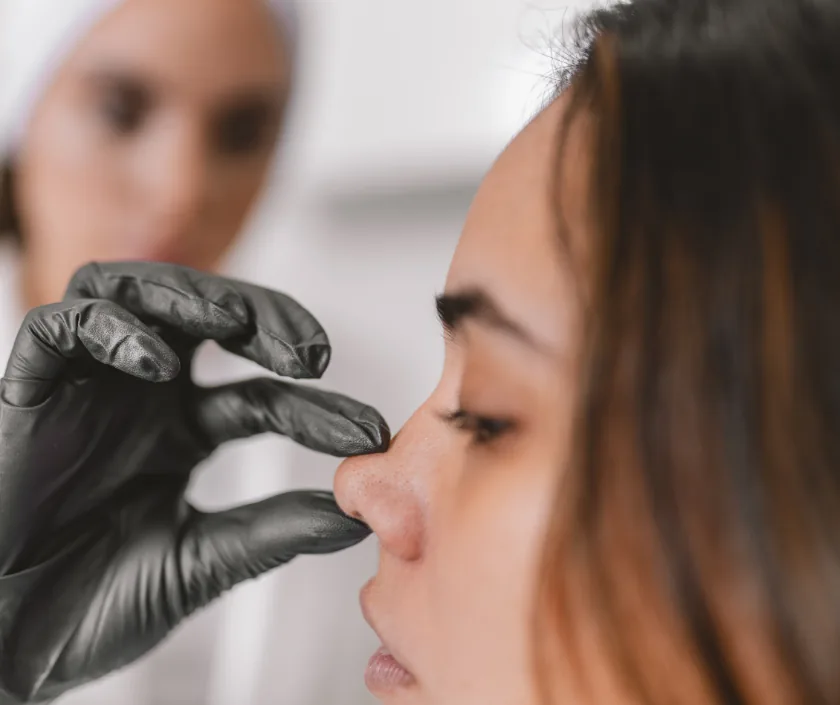
Secondary reconstruction is surgery performed after an earlier repair, either because the result fell short or because a planned later stage has arrived. Common tasks include thinning bulky tissue, releasing tightness, repositioning a flap, revising scars and adding volume. Planning starts by understanding why the first result turned out as it did, since repeating the same approach rarely changes anything.
Reconstruction rarely finishes in one operation. Some stages are planned from the start, with structure restored first and appearance addressed later. Other operations become necessary because a flap sits too bulky, a scar has tightened, a graft has contracted or the shape has drifted as swelling settled. Both situations fall under secondary surgery.
Assessment begins with history rather than the knife. Operative notes are reviewed, photographs are compared and the current tissue is examined for blood supply, thickness and mobility. Reasons matter here. Tightness from a scar contracture needs release, whereas bulk from a thick flap needs thinning, and the two can feel similar to a patient while needing different answers.
Expectations are then reset honestly. Tissue that has been operated on several times has fewer options, and each revision leaves scars of its own. Small, staged improvements are often the wiser route. Where nothing useful can be added, saying so is more helpful than another operation that leaves you no better off.
Timing and tissue quality decide most of this. Revision is generally offered once healing has matured and there is a clear, achievable goal.
Earlier operation notes and photographs are studied alongside the current examination. Understanding the reason behind the present shape guides everything that follows.
You are asked what bothers you most, since that often differs from what a surgeon notices first. One or two clear aims work far better than a long list.
Options range from scar release and thinning to fat grafting, local flaps or repositioning. Simpler measures come first wherever they can achieve the goal.
Work is carried out under local, sedation or general anaesthesia depending on its extent. Several small steps may be combined in one sitting to limit the number of operations.
Healing is followed over months. If a further refinement is sensible, it is planned once the tissue has settled rather than immediately.
Swelling and soreness are expected, usually less than after the original operation. Dressings are kept dry and the area is rested.
Stitches are removed or dissolve and most people return to light work. Scarred tissue can look angry at this stage before it calms.
Swelling has largely settled and the change becomes apparent. Massage and silicone are usually in routine by now if scars were revised.
The result is fair to judge from here. Any further stage is discussed once the tissue has fully matured.
Revision improves a result rather than resetting it. Tissue that has already been operated on carries scars, altered blood supply and less give, so gains tend to be measured rather than dramatic. Several modest steps usually achieve more than one ambitious attempt. Some things cannot be undone at all, and hearing that clearly is more useful than an operation that changes very little.
Operating in previously treated tissue is less predictable, and that should be understood before agreeing to more surgery.
Revised tissue is delicate, so the routine afterwards is deliberately cautious.
Surgery works with the tissue that remains. Revision improves shape, tightness and scars, but original tissue cannot be brought back.
Early revision in swollen, immature tissue often makes matters worse. Waiting for the tissue to settle usually gives a better outcome.
Each operation adds scarring and uses up options. Choosing fewer, well judged steps generally serves the patient better.
Staged surgery is planned in much reconstructive work, and healing varies between people even when everything was done well.
Elegance Clinic in Surat takes time to understand why an earlier result turned out as it did, and will say plainly when further surgery is unlikely to help.

Revision work varies widely, from a small scar revision under local anaesthesia to a staged flap adjustment in theatre, so cost follows the extent of what is planned. Where several small steps are combined in one sitting, that usually costs less than separate admissions. A written estimate is shared after assessment. Insurance may contribute when the revision addresses function rather than appearance alone.
These are the questions that come up most often in consultation. If yours is not here, send it on WhatsApp and the team will reply, usually the same day.
Ask your question →It depends entirely on the extent of the work, from a small scar revision under local anaesthesia to staged flap adjustment in theatre. Combining steps in one sitting usually costs less than separate admissions. A written estimate follows assessment, before any date is fixed.
It can be less predictable, because scarred tissue has a reduced blood supply and heals more slowly. Risks include poor healing, graft or flap loss and a result that falls short. Careful timing and modest goals reduce those chances.
Usually shorter than after the original surgery. Most people return to light work within one to two weeks, with swelling settling over about six weeks. Final appearance takes months, especially where scars have been revised.
Revision refines rather than restarts. Gains are usually measured, and several small steps often achieve more than one large attempt. Where little can be added, you should be told that plainly instead of being offered more surgery.
Anyone whose tissue is still swollen, inflamed or only a few months from the last operation. Active infection, an open wound and continued smoking also rule it out for now, since scarred tissue already heals slowly.
Long enough for swelling to settle and scars to mature, which usually means many months rather than weeks. Operating early in angry tissue tends to disappoint. The right moment is judged at examination.
Earlier operation notes and photographs are reviewed, the tissue is examined and you are asked what troubles you most. Realistic goals are agreed, alternatives discussed and a written estimate provided before anything is booked.
Seeing patients from across the city and beyond: read about the practice on the plastic surgeon in Surat page, or check what a written estimate covers on the costs and insurance page.
