Areola tattooing uses medical pigment to recreate the colour of the nipple and areola on a reconstructed breast. It is not surgery, and skilled shading can give the impression of a raised nipple even where none has been built.
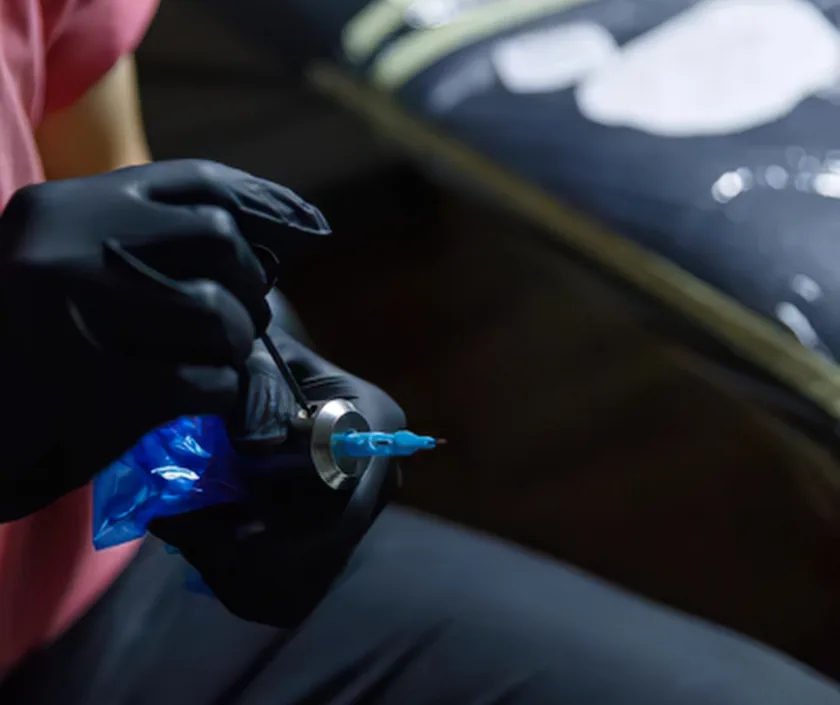
Areola tattooing is a non surgical way of adding colour to a reconstructed breast. Medical pigment is placed into the skin to recreate the shade and pattern of an areola, and careful shading can suggest a raised nipple. It is done in clinic over one or more short sessions, and the colour usually softens over the years.
After reconstruction the breast mound is usually a uniform patch of skin, with no colour change where the areola used to be. Tattooing puts that colour back. A practitioner works pigment into the upper layers of skin, building the tone gradually and comparing it against your other breast, or against photographs if both sides were removed.
Shading is where the skill lies. Light and shadow placed carefully can persuade the eye that there is a raised nipple, even when the skin is flat. Many women find this alone gives them what they wanted, without any further surgery. Others have it after a nipple has been rebuilt, to add the colour that surgery cannot.
Sessions are short and done in the clinic. A numbing cream is usually enough, and reconstructed skin often has little sensation anyway. Colour looks darker at first and lightens as the skin settles, so a second session is common to reach the shade you want.
Tattooing suits women who want the look of an areola without an operation, and it also completes surgical nipple reconstruction.
Shade is chosen against your other areola or from photographs, and the position is marked while you sit upright. Nothing starts until you are happy with the placement.
A topical numbing cream is applied and given time to work. Reconstructed skin often has reduced sensation already, so most women find the session comfortable.
Fine needles place pigment into the upper skin layers. Colour is built in passes rather than all at once, with regular checks against the other side.
Highlights and shadow are added to suggest projection. This is what makes a flat area read as a nipple from a normal viewing distance.
A dressing and ointment are given with clear instructions. Review follows once healing is complete, and a second session is often planned to deepen the colour.
The area looks darker than the settled shade and may feel slightly tender. Ointment and a light dressing are used as instructed.
Light flaking or crusting is normal as the skin settles. Colour begins to lighten. Swimming and soaking are avoided during this period.
Healing is complete for most women and the true shade is visible. A second session can be arranged if the colour needs deepening.
Pigment continues to soften slowly. Many women are happy for years before considering a top up, and some never need one.
Good tattooing looks convincing in a mirror and under normal light. Close up, the area is flat unless a nipple has been rebuilt, and the skin texture stays that of a reconstructed breast. Colour is a close match rather than an exact one, and it lightens as the skin heals. Fading over years is normal. Most women see this as a small step with a large effect on how the reconstruction feels to them.
Tattooing is a minor procedure, though it does place pigment into the skin and carries a few risks worth knowing.
Aftercare is simple and mostly about keeping the area clean and leaving it alone while colour settles.
Colour is added, not shape. A raised nipple needs surgery, although clever shading can give a convincing impression of one.
Pigment appears darker at first and lightens as the skin heals, which is why a second session is often planned.
Reconstructed skin usually has reduced sensation, and numbing cream is applied beforehand, so most women find the session quite tolerable.
The breast must be fully healed and settled first, since position and shape need to be stable before colour is placed.
Elegance Clinic in Surat treats colour matching as part of reconstruction rather than an afterthought, and plans it once the breast has truly settled.

Tattooing is priced by session rather than as a single operation, and most women need more than one to reach the shade they want. After assessment you receive a written estimate covering the planning visit, the sessions expected, aftercare supplies and review. Where tattooing follows nipple reconstruction, the two are usually quoted together. Cover varies between insurers in India, so it is worth checking your policy with the estimate in hand.
These are the questions that come up most often in consultation. If yours is not here, send it on WhatsApp and the team will reply, usually the same day.
Ask your question →No. Pigment is placed into the upper layers of skin using fine needles, in a clinic room rather than an operating theatre. There are no stitches, no anaesthetic injection in most cases and no hospital stay. You go home the same day.
Many women need two. The first builds the base colour and shape, and the second deepens the shade once healing has shown how much pigment the skin has kept. Occasionally a third session is used for fine adjustment.
Pigment softens gradually over years rather than staying fixed. Sun exposure speeds that along. A top up session restores the shade whenever you feel it has faded too far, and some women never feel the need for one.
For many women it can. Skilled shading creates highlights and shadow that make a flat area read as a raised nipple from normal viewing distance. It avoids surgery entirely, which appeals to women who have had enough operations.
You receive a written estimate after assessment, usually covering the planning visit and the sessions expected. Where it follows nipple reconstruction, both are quoted together. Insurance cover varies between policies in India, so check yours once you have the estimate.
The breast needs to be fully healed and settled, and cancer treatment finished. That usually means waiting several months. Placing colour before the shape is stable risks the areola ending up in the wrong position.
Most women describe it as tolerable. Skin on a reconstructed breast usually has reduced sensation, and numbing cream is applied beforehand. Some tingling or warmth during the session is common, and any soreness afterwards settles within a day or two.
Seeing patients from across the city and beyond: read about the practice on the plastic surgeon in Surat page, or check what a written estimate covers on the costs and insurance page.
