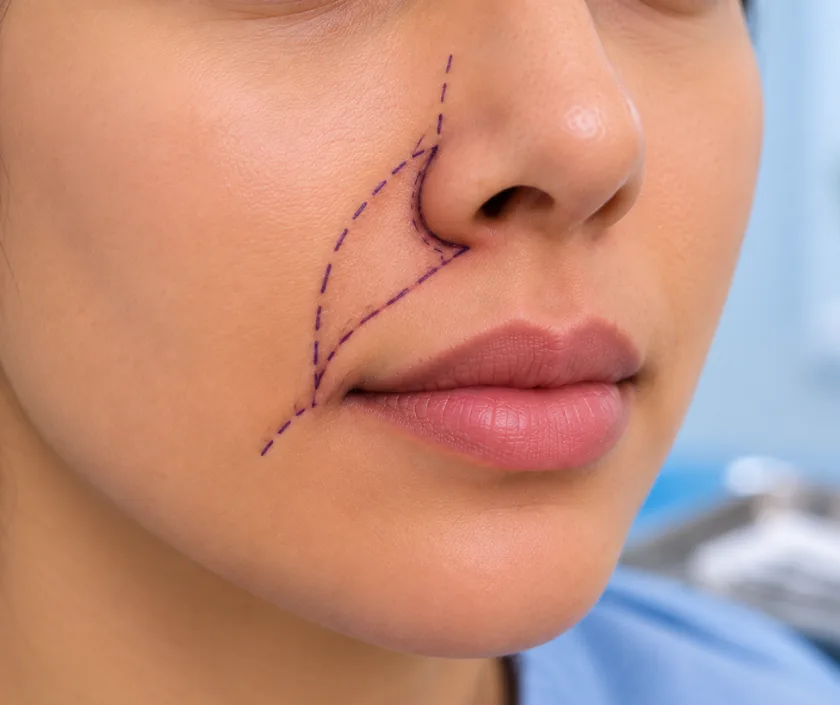
The face is not a single surface. It divides into units the eye reads separately, such as the nose, the lips, the eyelids and the ears, and each of these divides again into smaller subunits with their own borders, curves and shadows. When tissue is lost after an injury, a burn or removal of a skin cancer, the eye notices a break in those borders far more than it notices the size of the wound itself.
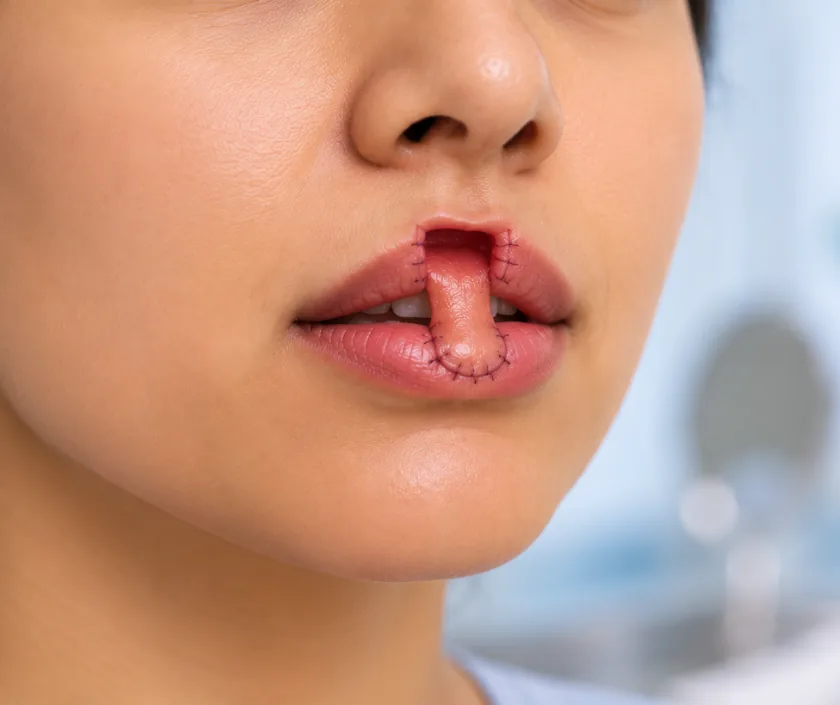
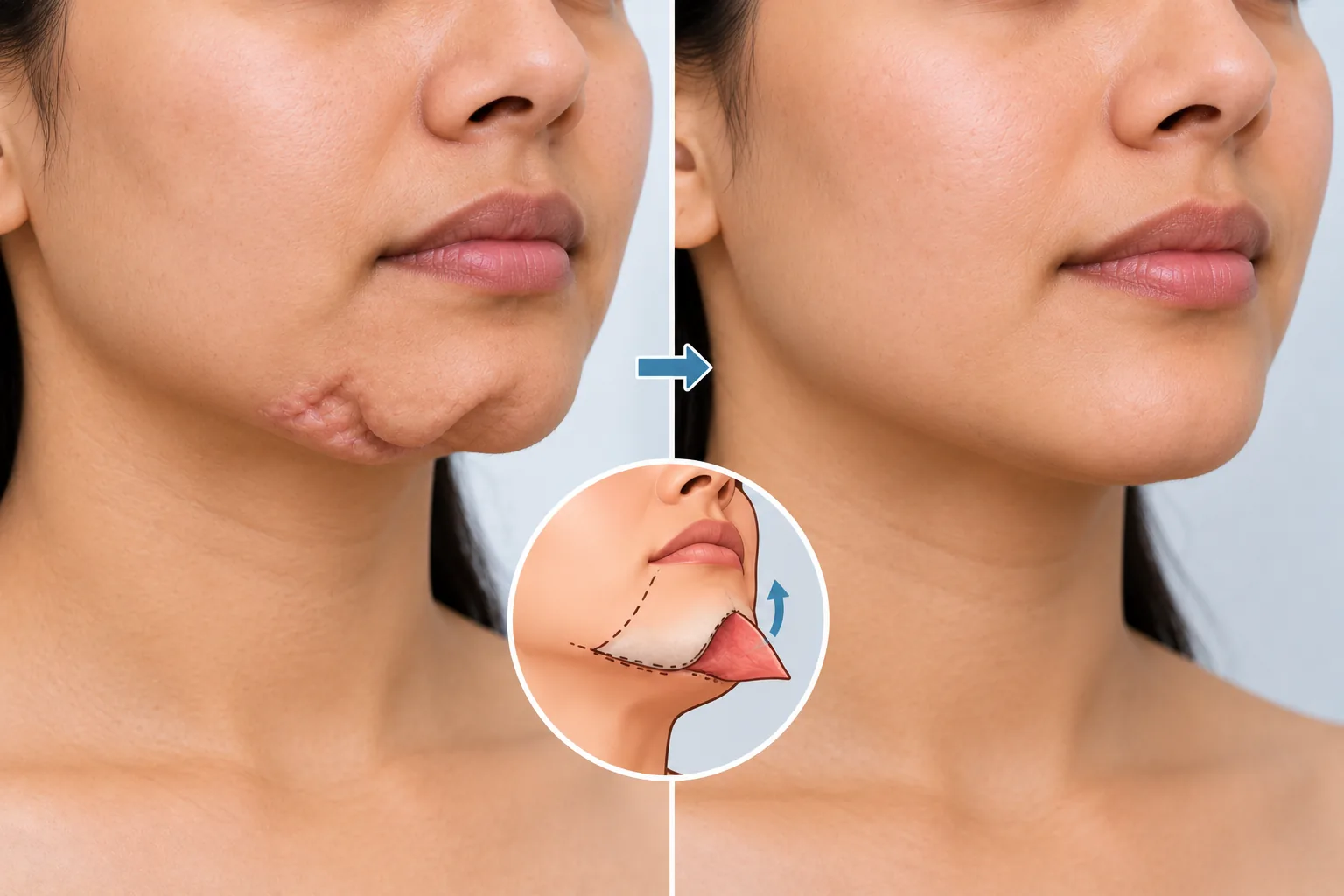
Subunit reconstruction works with that principle. Rather than patching a hole, the surgeon replaces a whole subunit where sensible, so scars fall into natural creases and the shadows line up again. Planning at Elegance Clinic in Surat considers what is missing, what lining and support are needed underneath, and where matching skin can come from. Larger reconstructions are staged over several sittings, and the sequence is explained at the start so nobody is surprised by an interim appearance.
Each subunit has its own rules of colour, contour and border. This table shows what each one needs and how surgeons usually rebuild it.
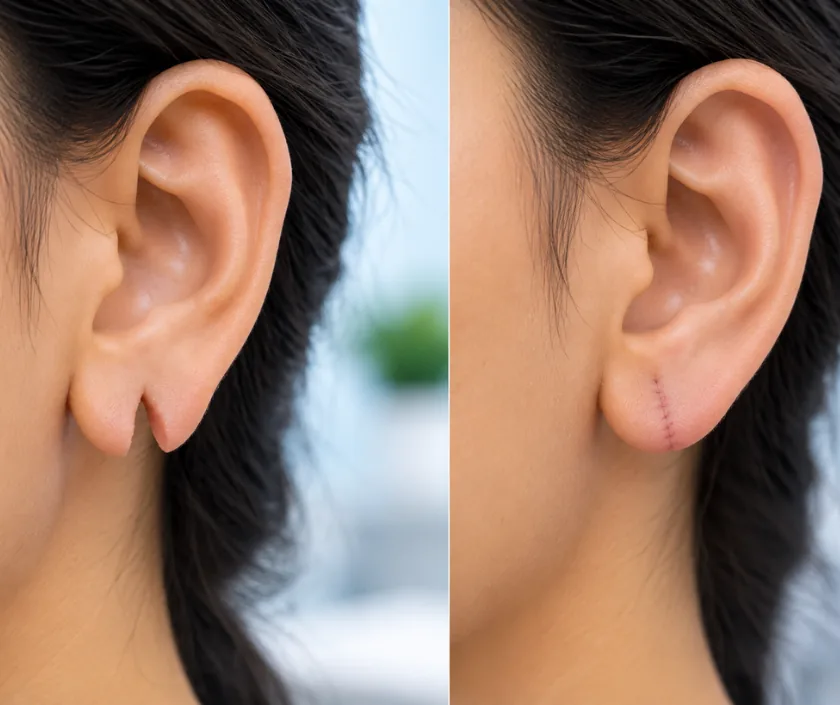
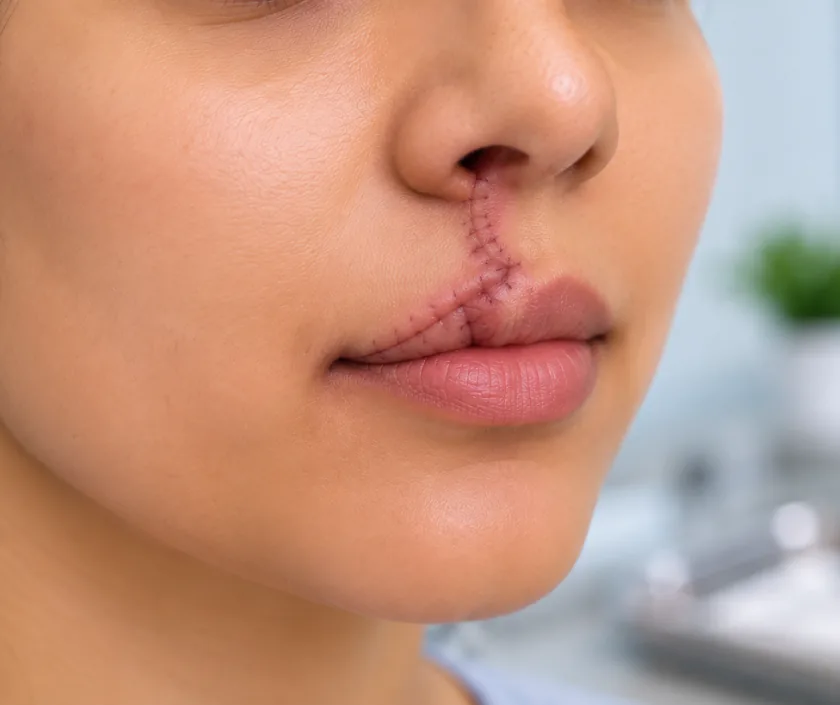
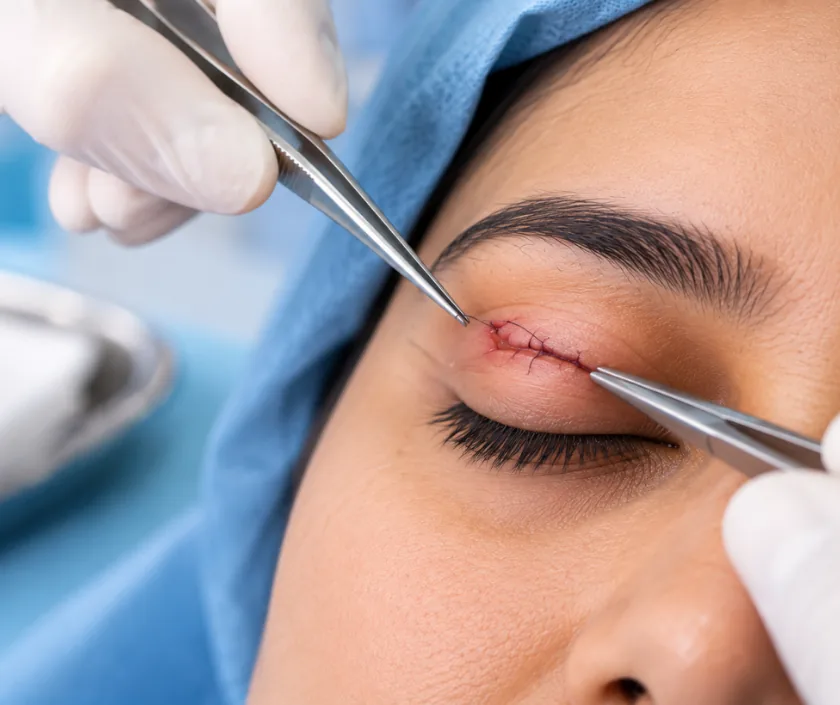
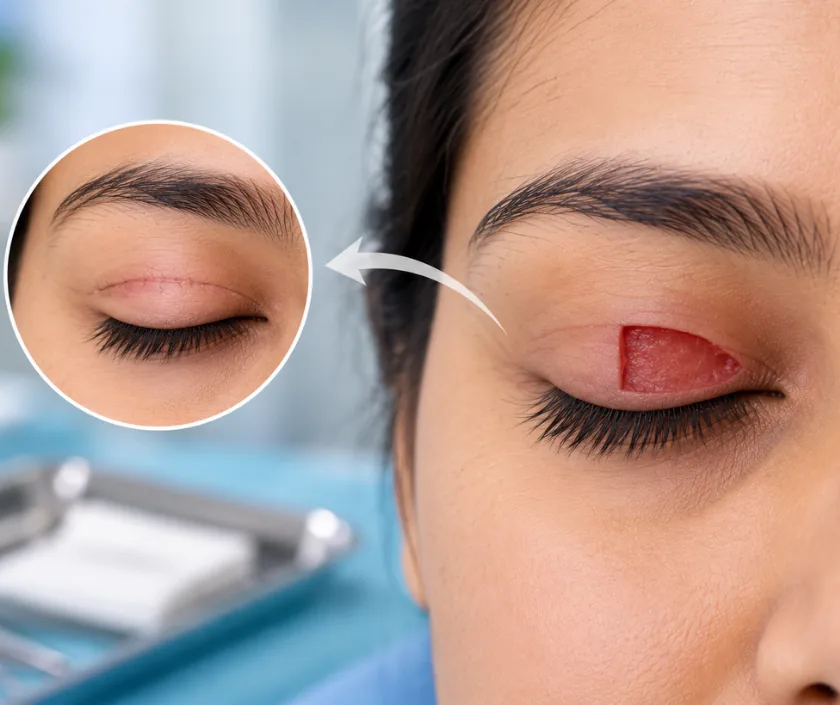
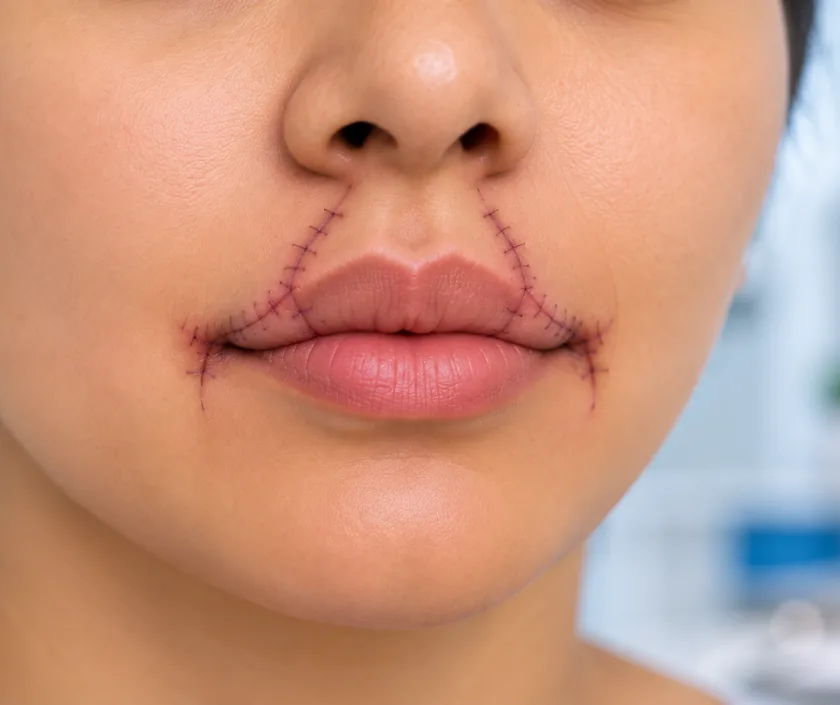
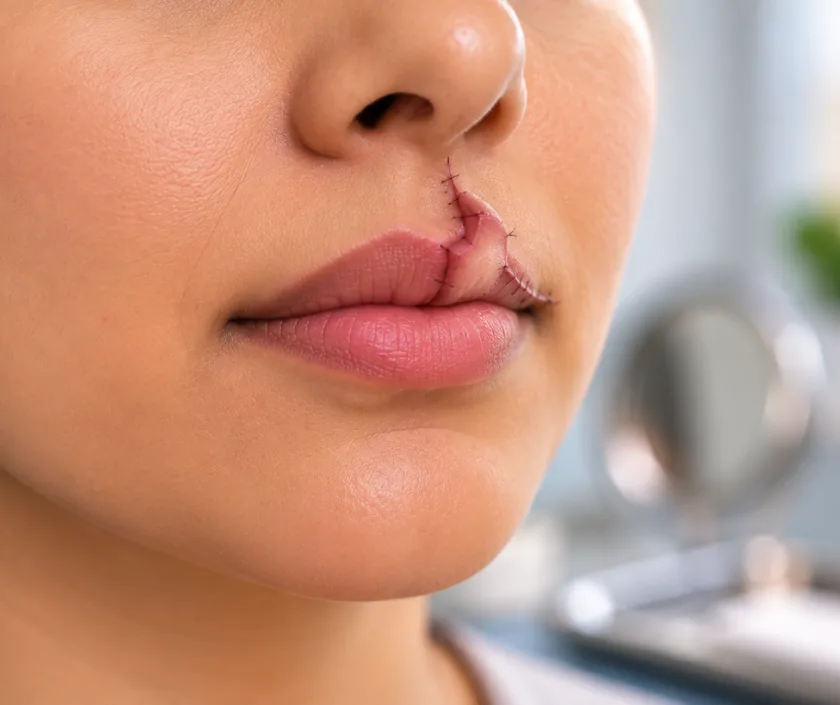
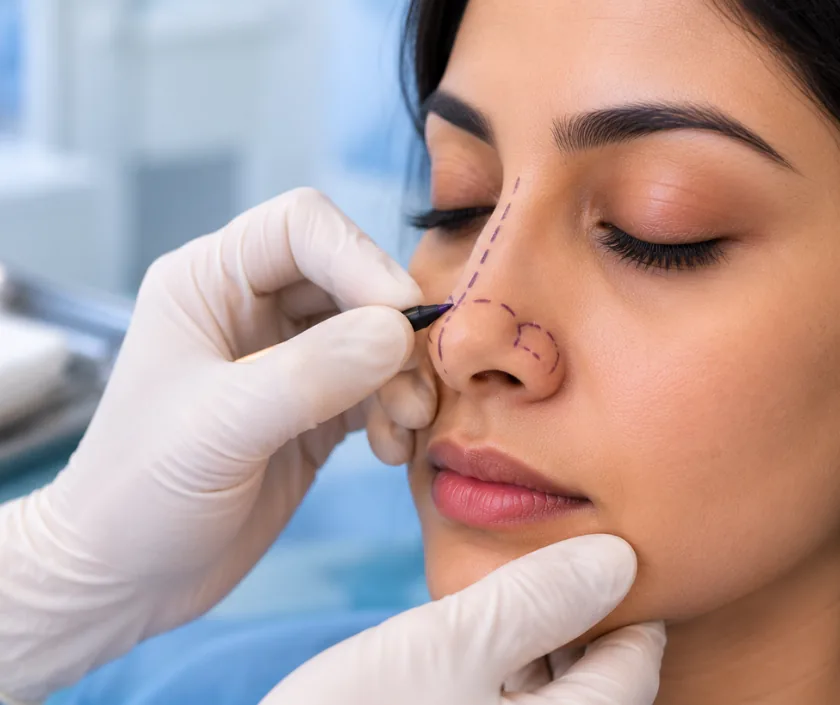
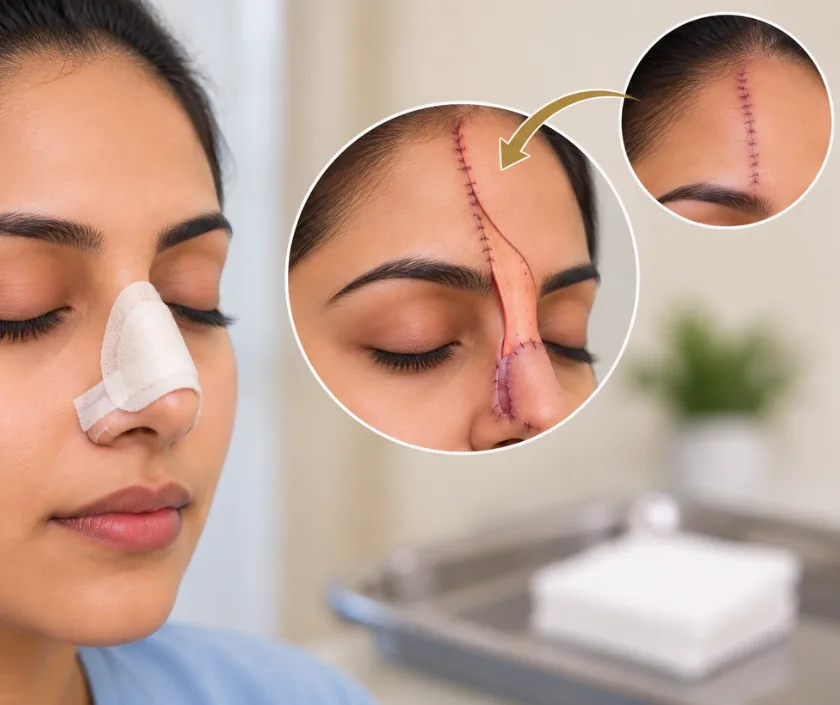
Some flaps stay attached to their original blood supply for a few weeks before the connection is divided. During that time the appearance is unusual and patients need to plan around it. Knowing the timetable in advance makes the interim stage much easier to accept.
Facial skin varies between regions in thickness, oiliness and colour. Skin taken from above the collarbone matches better than skin from the arm or thigh. Where a mismatch remains, later resurfacing or camouflage makeup can narrow the difference.
Nose and ear reconstruction need a framework, or the soft tissue collapses as it heals. Cartilage is usually taken from the ear or a rib. Support is placed even where none was lost, because scar contraction pulls harder than most people expect.
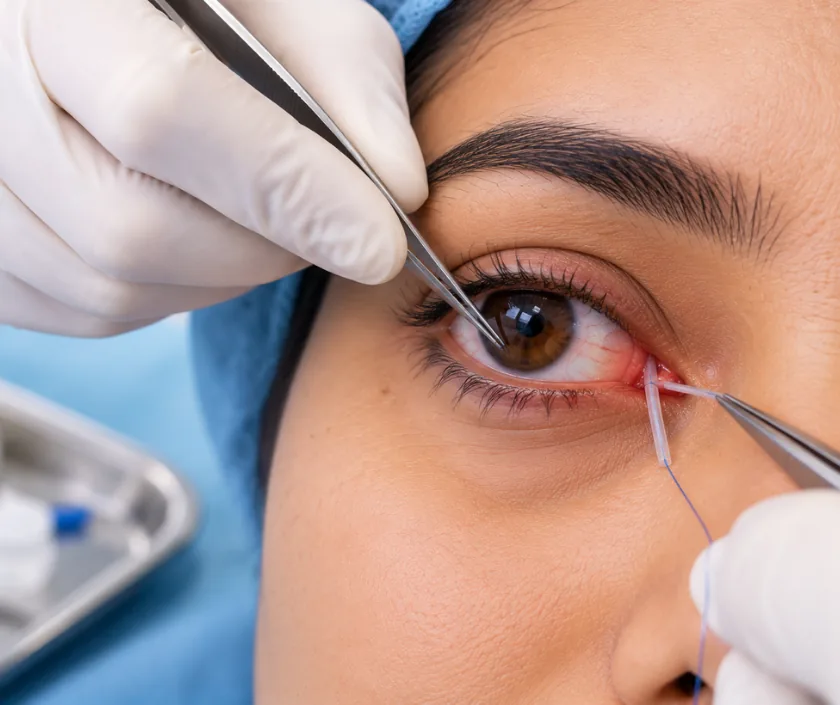
A reconstructed eyelid must close, a rebuilt nostril must let air through and a repaired lip must hold food and saliva. Where function and appearance compete, function is prioritised, then refinements to shape follow at a later planned stage.
Reconstructed areas usually settle steadily. Any of these changes should be reported without waiting for the next visit.
The questions patients raise most often when a staged facial reconstruction is being planned.
Ask your question →Cost is calculated across the whole plan rather than per operation, and depends on the number of stages, anaesthetic type, graft sources and theatre time. A full written estimate covering every planned stage is provided before the first procedure is booked.
They are well established procedures, though each carries risk of bleeding, infection, partial flap loss and scarring. Smoking markedly reduces flap survival and stopping beforehand is strongly advised. General health, diabetes control and medicines are all reviewed during planning.
Staged reconstruction commonly runs over several months, with weeks between sittings to let tissue settle. Swelling takes months to resolve fully, and refinement procedures may follow after that. Timelines are outlined at the start and can vary between patients.
The aim is a face that reads as normal in conversation, not an exact restoration. Scars are placed in borders and creases to make them hard to see. Contour and colour improve for a year or more after the final stage.
Often yes, once the surgeon treating the cancer confirms the margins are clear. Reconstruction may start immediately or be deferred until that confirmation. Any planned radiotherapy also affects the timing and the choice of reconstruction method.
A darkening flap, an eye that cannot close, blocked breathing through a reconstructed nostril, or signs of infection all need same day review. Prompt action can often save a struggling flap that would otherwise be lost.
The defect is mapped against the facial subunits, photographs are taken from set angles and donor areas are examined. Each stage is drawn out and explained, along with how you will look in between, before any dates are agreed.
