The latissimus dorsi flap moves a broad sheet of muscle, and often a patch of skin, from your upper back around to the chest. It brings healthy, well supplied tissue to rebuild the breast, sometimes alongside a small implant.
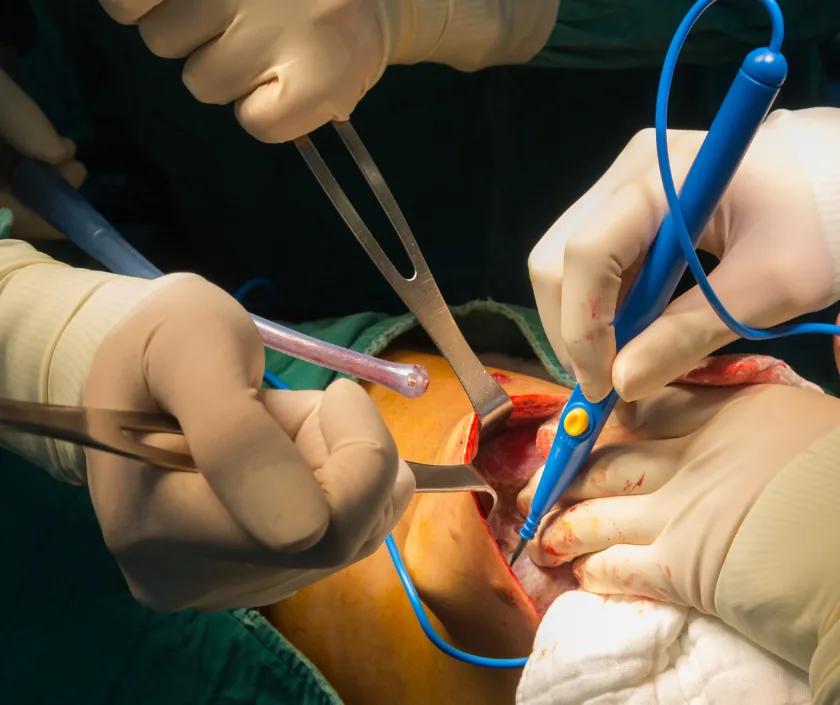
The latissimus dorsi flap uses muscle and skin from the upper back to rebuild the breast after mastectomy. The tissue stays attached to its own blood supply and is tunnelled under the armpit to the chest. It is dependable, works well after radiotherapy, and often needs a small implant underneath to add volume.
The latissimus dorsi is the wide, flat muscle that fans across the upper back. It helps pull the arm down and back, but the shoulder has other muscles that take over most of that work. That is why a portion of it can be borrowed to rebuild the breast without leaving the arm unusable.
During surgery the muscle, along with a patch of skin from the back if extra skin is needed, is lifted and passed through a tunnel under the armpit to the front of the chest. It is never fully detached, so its blood vessels stay intact. That connection is what makes this flap so dependable, particularly on a chest that has been treated with radiotherapy.
The trade is a second wound. You will have a scar on the back, usually placed so it hides under a bra strap, and fluid can gather there for a while afterwards. Since back tissue is fairly thin, a modest implant is often placed under the flap to reach the volume you want.
This flap suits women who want their own tissue but do not have, or do not want to use, the abdomen. Fitness, radiotherapy history and how you use your shoulder all matter.
The back is examined with you sitting and standing, and the flap is marked so the scar falls where a bra strap sits. Your shoulder function and cancer plan are reviewed together.
Under general anaesthesia you are turned onto your side so the surgeon can reach the back. The operation takes several hours and the team monitors you throughout.
Muscle, and a skin paddle if needed, is lifted from the back while its blood vessels are protected. The back wound is then closed and drains are placed.
The flap is passed through a tunnel under the armpit onto the chest and shaped into a breast mound. An implant may be placed beneath it to add volume.
Both wounds are closed and drains left in place. Colour and warmth of the skin paddle are checked regularly during the first days.
You will be sore at the back as well as the chest. Nurses help you sit up and walk, and drains are in place at both sites.
Drains stay longer at the back than the chest because fluid gathers there. Gentle shoulder exercises begin under guidance. Tiredness is common and expected.
Most women are back to a light routine. Shoulder movement continues to improve with physiotherapy, while heavier lifting is still avoided.
The reconstructed breast softens and settles. Back scars fade slowly. Any adjustment, nipple reconstruction or balancing of the other side is planned from here.
A back flap gives a soft, natural feeling mound that ages more like the rest of you than an implant does. It will not match the other breast exactly. The skin paddle on the front is often a slightly different colour and texture from surrounding chest skin, and it fades but stays visible. Sensation is reduced. On the back you keep a long scar and a contour change where tissue was taken. Most women find these trades acceptable once they know about them in advance.
Two surgical sites mean two sets of possible problems, and these are talked through before you decide.
The back needs as much attention as the chest in the first weeks, and shoulder exercises matter more than most people expect.
Other shoulder muscles take over most of the work. Everyday tasks are usually fine, though strong pulling can feel weaker.
Back tissue is fairly thin, so a small implant is often added underneath to reach the volume you want.
It feels softer and warmer than an implant, yet sensation is reduced whichever method is used.
It is placed to sit under a bra strap where possible, but it remains a long scar that stays visible.
Flap surgery needs planning across cancer treatment, theatre time and rehabilitation, and Elegance Clinic in Surat coordinates all three rather than treating the operation on its own.

Flap reconstruction is priced case by case, because operating time, hospital stay and whether an implant is added all vary. After assessment you receive a written estimate covering surgeon and anaesthesia fees, theatre, ward stay, drains, dressings and follow up visits. Where an implant is used, that is listed separately. Reconstruction after cancer surgery is covered by many insurance policies in India, and the team will help you submit the request before admission.
These are the questions that come up most often in consultation. If yours is not here, send it on WhatsApp and the team will reply, usually the same day.
Ask your question →Most women manage daily tasks normally, because other shoulder muscles compensate. Some notice weakness in strong pulling movements such as rowing, climbing or lifting overhead. Physiotherapy from early in recovery helps a great deal, and athletes are counselled carefully before choosing this flap.
Back tissue is relatively thin, so on its own it may not create the volume you want. A small implant placed beneath the flap adds projection, while the muscle and skin provide soft, well supplied cover over it.
The chest drain usually comes out first. A back drain often stays longer, because fluid keeps collecting there. Exact timing depends on how much is draining each day, so the team decides visit by visit rather than by a fixed schedule.
It is often preferred in that situation. Treated chest skin heals poorly and tolerates implants badly, so bringing in healthy tissue with its own blood supply from outside the treated area gives the reconstruction a much better foundation.
A written estimate is prepared after assessment, since theatre time, length of stay and whether an implant is added all change the total. Many insurance policies cover reconstruction following cancer surgery, so it is worth asking your insurer once you have that estimate.
Light desk work often becomes possible within several weeks, while physical jobs take considerably longer because of the shoulder. Recovery can vary a good deal between women, so the return to work date is agreed as your own progress becomes clear.
Yes, immediate reconstruction is possible and preserves more of the breast skin. Delayed reconstruction months or years later is equally valid. The decision rests with you alongside the cancer team, and taking time to think does not remove the option.
Each technique below has its own page explaining how it works and when it is chosen.
Seeing patients from across the city and beyond: read about the practice on the plastic surgeon in Surat page, or check what a written estimate covers on the costs and insurance page.
