Sometimes the abdomen has to be left open after emergency surgery, because closing it straight away would be unsafe. Careful staged care protects the bowel, controls fluid loss and works steadily towards closing the abdominal wall again.
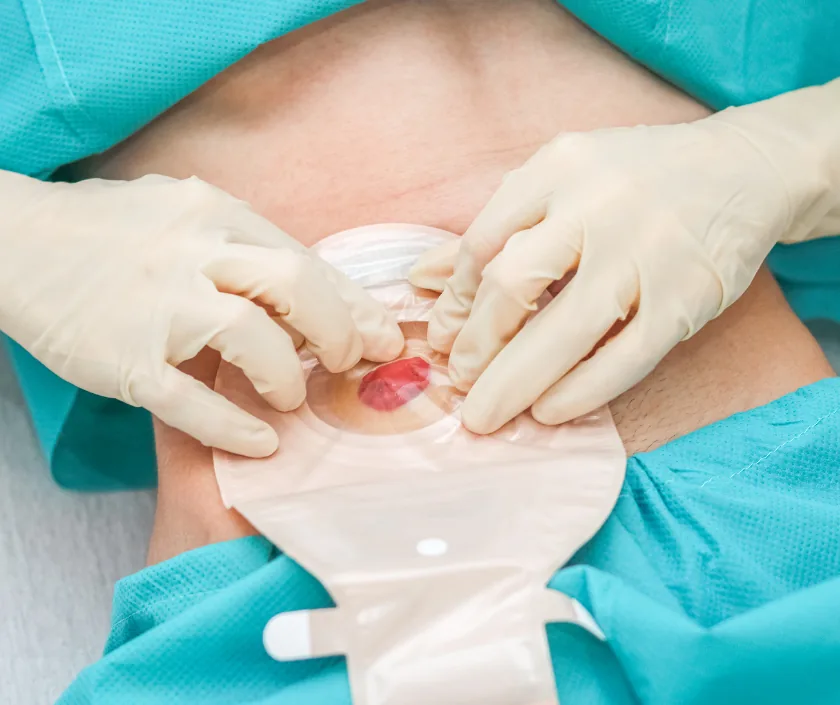
Open abdomen management is the planned care of an abdomen that has been left open after emergency surgery or severe infection. Dressings protect the bowel, drain fluid and stop the muscles retracting, while repeated theatre visits clean the cavity. The goal is a safe, staged path towards closing the abdominal wall.
Leaving an abdomen open is a deliberate decision rather than a complication. It becomes necessary when the contents are too swollen to fit, when infection is widespread, when bowel needs checking again soon, or when pressure inside the abdomen threatens the kidneys and lungs. Closing under those conditions would do more harm than good.
While the abdomen stays open, protection is the priority. A temporary cover, often a negative pressure dressing, sits over the bowel to keep it moist and safe, draw away fluid and stop the muscle edges retracting sideways. Fluid balance, nutrition and antibiotics are managed closely, since losses through the wound can be considerable.
Closure is then approached in stages. At each theatre visit the cavity is washed, tissue is assessed and the edges are drawn a little closer. Many abdomens close directly in this way. Others need mesh, a component separation or flap cover, and a few are managed with a planned hernia to be repaired later, once you are well.
Leaving the abdomen open is chosen when closing it would be dangerous. The decision is made in theatre and reviewed again at every visit that follows.
The cause is treated, bleeding is controlled and contamination cleared. If the abdomen cannot be closed safely, a temporary dressing goes on and a plan is made for the next theatre visit.
A negative pressure or similar dressing protects the bowel, collects fluid and holds the wall in position. Changes happen in theatre under sterile conditions rather than on the ward.
Every few days the cavity is washed, bowel is checked and dead tissue removed. Edges are drawn closer step by step, which raises the chance of closing the wall directly.
Nutrition, fluids, electrolytes and antibiotics are managed carefully. Physiotherapy keeps the chest clear, while pressure care protects the skin during a period of reduced movement.
Once swelling settles and infection is controlled, the wall is closed. Mesh, a component separation or flap cover may be used, and a planned hernia repair sometimes follows later.
Care takes place in intensive care with close monitoring. Sedation, ventilation and organ support may be needed, and the dressing is checked frequently for leak and output.
Theatre visits continue at intervals. As infection settles, feeding restarts, sedation reduces and the wall is drawn gradually together at each visit.
Many people are home by now, with the abdomen closed or a planned hernia present. Reviews look at the wound, weight, nutrition and returning strength.
Stamina keeps improving. Where a hernia was planned, repair is discussed once you are nutritionally well and any infection has fully resolved.
Many abdomens can be closed during the staged process, and people go on to recover well. Some end with a planned hernia that is repaired later, once nutrition and infection have settled. Long scars, numbness and a period of reduced strength are usual. Recovery can vary considerably, since the illness that led to the open abdomen matters as much as the wound itself.
This approach is used in seriously ill patients, so risks are significant and are discussed with family as decisions are made.
Once the abdomen is closed and you are home, healing depends on nutrition, gentle activity and vigilance.
It is a planned decision that protects the organs when closure would be unsafe, and it is used deliberately in serious illness.
A specialised dressing always protects the bowel, collects fluid and keeps the wall from retracting between theatre visits.
Closing under tension can raise pressure inside the abdomen dangerously. Staged closure is safer and often gives a better final result.
Accepting a hernia for now can be the safest choice. Repair is arranged later, once nutrition and infection have been sorted out.
Care for an open abdomen depends on teamwork and clear communication, so families are kept informed at each stage and a written estimate is provided before planned admissions.

Costs here depend on the number of theatre visits, the dressings used, intensive care needs and the total length of stay, so figures are given after assessment rather than in advance. A written estimate covers surgeon and anaesthesia fees, theatre and dressing charges, ward or intensive care stay and review visits, and the team will help with insurance paperwork.
These are the questions that come up most often in consultation. If yours is not here, send it on WhatsApp and the team will reply, usually the same day.
Ask your question →A written estimate is prepared after assessment, because the number of theatre visits, the dressings used, intensive care needs and the length of stay all vary. Each element is listed so families can plan with clear information.
Swelling, infection or bowel that must be checked again can make immediate closure dangerous. Forcing it raises pressure inside the abdomen, which harms breathing and kidney function. Staged closure is the safer route.
A specialised dressing keeps the bowel moist, protected and separated from the wound edges, and it is changed in theatre under sterile conditions. The bowel is examined at each visit for any sign of trouble.
Some abdomens close within days, while others take a few weeks of staged visits. Progress depends on the illness, the swelling and how the tissue responds. Reviews after each theatre visit guide the timing.
Many people achieve full closure. Where that is not possible, a planned hernia may remain and is repaired later once you are stronger. That plan is explained to you and your family clearly.
Good nutrition, controlled blood sugars, early movement within safe limits and prevention of chest infection all help. Dietitian and physiotherapy input is part of the plan rather than an optional extra.
Repair is usually planned once infection has cleared, weight and nutrition are stable and strength has returned. Rushing it risks failure. Timing is discussed at review with scans to guide the decision.
Seeing patients from across the city and beyond: read about the practice on the plastic surgeon in Surat page, or check what a written estimate covers on the costs and insurance page.
