Elephantiasis is the late stage of lymphatic filariasis, where a limb becomes heavy, hard and thickened. Surgery can reduce the bulk and make daily life manageable, though the damaged lymph channels do not return to normal.
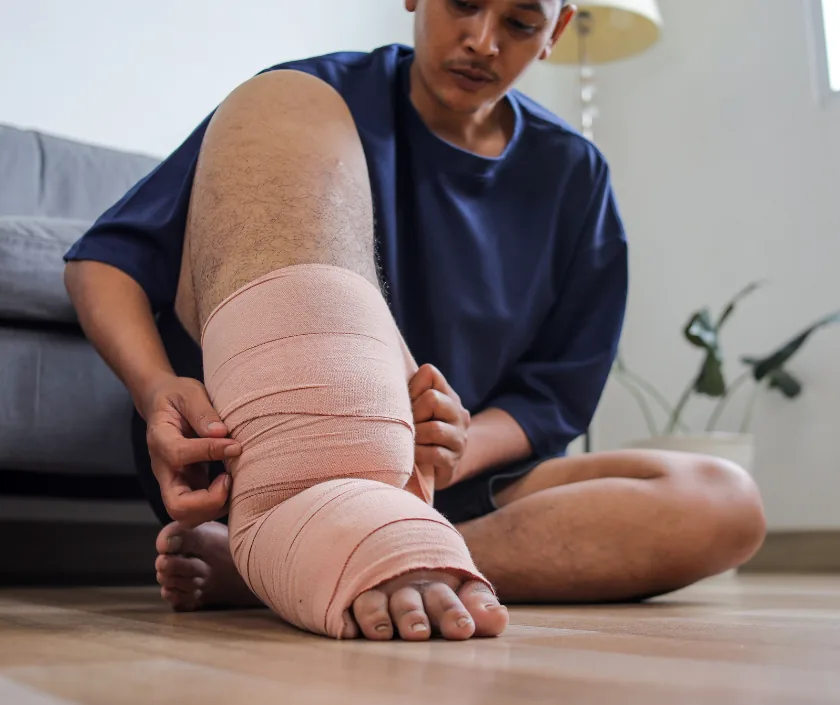
Elephantiasis is severe, long standing swelling caused by damage to the lymphatic channels, most often after infection with filarial worms carried by mosquitoes. Treatment has two halves. Daily skin hygiene, compression and prompt treatment of skin infections control the swelling, while surgery reduces excess bulk in limbs that have become too heavy to use comfortably.
The lymphatic system is a network of fine channels that collects fluid from the tissues and returns it to the bloodstream. Filarial worms, spread by mosquito bites, live in these channels and damage them. Years later, long after the infection itself has been treated, the drainage remains blocked and fluid collects in the limb.
At first the swelling is soft and reduces overnight. Over time the skin thickens, folds deepen and the tissue becomes firm, which is the stage people recognise as elephantiasis. Each episode of skin infection, often felt as fever with a hot red limb, damages more channels and leaves the leg larger than before.
Treatment therefore works on two fronts. Daily washing, careful drying between the folds, treatment of fungal infection, compression and elevation slow the process and reduce attacks. When a limb has become so heavy that walking, working or wearing footwear is difficult, surgery to remove excess tissue is discussed. It reduces bulk rather than restoring the drainage, so daily care continues afterwards.
Surgery is considered when a limb has become heavy and hard enough to limit daily function, and when the person is willing to continue compression and skin care afterwards.
The limb is measured and examined, skin folds are checked for infection, and blood tests are done. Any history of filarial infection and previous treatment is recorded in detail.
Fungal and bacterial skin infections are treated first, since operating on infected skin risks poor healing. Antibiotics and antifungal treatment are given as needed.
Washing, drying, elevation, exercise and compression are started properly. Many patients improve enough at this stage that surgery is postponed or avoided.
When bulk remains disabling, excess skin and thickened tissue are removed in a planned procedure. The area is dressed carefully and elevation continues through the early healing period.
Compression garments are fitted once swelling settles, and skin hygiene is reviewed at each visit so that further attacks and further damage are prevented.
The limb is elevated and dressings are checked for soaking. Pain relief is given, and gentle movement of the joints is encouraged to keep circulation active.
Dressings are changed on schedule and stitches are reviewed. Walking is usually restarted in short spells, with the limb elevated whenever the person is sitting.
Wounds have generally settled and a compression garment is fitted. Daily washing, drying between folds and moisturising become the routine that continues indefinitely.
The limb feels lighter and clothing fits more easily. Compression and skin care remain lifelong, since the underlying lymphatic damage has not been reversed.
Surgery reduces size and weight, which many people find changes daily life considerably. The limb does not return to its original shape, and some firmness usually remains. Because the lymph channels stay damaged, swelling can build again without compression and hygiene. Results vary with the stage of the disease, the general condition of the skin and how consistently daily care is maintained afterwards.
Operating on a swollen limb with thickened skin carries particular risks, and these are discussed openly before any decision is made.
Daily habits matter more than any single operation here. The routine below is what keeps attacks away and swelling controlled.
It spreads only through mosquito bites carrying the parasite, not by touching or living with an affected person.
Surgery reduces bulk, while the damaged lymph channels remain, so compression and skin care continue afterwards.
Even at that stage, hygiene, compression and surgery can reduce attacks and make the limb far easier to live with.
Transmission has fallen through national programmes, though the condition is still seen and people already affected need long term care.
Elegance Clinic in Surat treats filarial swelling as a long term condition rather than a single operation. Dr. Ashutosh Shah explains what surgery can and cannot change before any plan is made.

Cost depends on which part of the body is affected, how much tissue needs to be removed and how long the stay is likely to be. A written estimate is prepared after examination and blood tests, and the position on insurance cover is explained during the same consultation.
These are the questions that come up most often in consultation. If yours is not here, send it on WhatsApp and the team will reply, usually the same day.
Ask your question →It varies with the site, the amount of tissue involved and the length of stay. A written estimate is prepared after examination and blood tests, and the position on insurance cover is explained in the same consultation so there are no surprises.
It is performed routinely, though healing in a swollen limb is slower than in normal tissue. Skin infections are treated first, general health is checked, and the plan is adjusted to the stage of the disease and the condition of the skin.
Wounds usually take several weeks to settle, and swelling continues to change for months afterwards. Compression is started once the wounds have healed. Recovery can vary with the stage of disease and the condition of the skin.
Some swelling can return, because the lymph channels remain damaged whatever is done surgically. Consistent compression, elevation and skin hygiene are what keep the limb stable over the years.
Antifilarial medicines are prescribed by physicians according to national programme guidance. Antibiotics or antifungal treatment are used for skin infections. Surgery addresses bulk and does not replace these medical treatments.
Avoiding mosquito bites with nets, screens and repellents matters most, along with taking part in mass drug administration when it is offered locally. Early treatment of any leg swelling also helps prevent progression.
When swelling no longer settles overnight, when the skin thickens or when attacks of fever with a hot limb keep recurring. Earlier review usually means simpler treatment and fewer future attacks.
Seeing patients from across the city and beyond: read about the practice on the plastic surgeon in Surat page, or check what a written estimate covers on the costs and insurance page.
