When lymph fluid cannot drain from the scrotal skin, it thickens and enlarges until walking, hygiene and clothing become difficult. Surgery removes that skin and rebuilds the area using healthy tissue that drains normally.
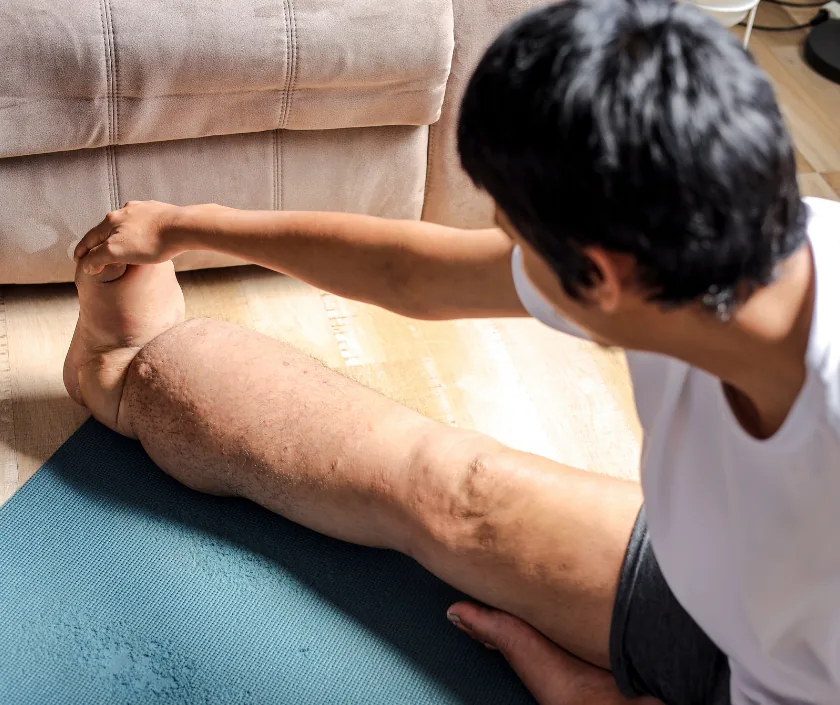
Scrotal lymphedema surgery treats long standing swelling of the scrotal skin, most often after filarial infection has damaged the lymph channels in the groin. The thickened skin is removed while the testes and cords are preserved, and the area is resurfaced with healthy skin. The result is easier hygiene, better comfort and fewer episodes of infection.
Lymph fluid from the scrotal skin normally drains upwards into nodes in the groin. Filarial worms damage these channels, and fluid begins to collect in the skin itself. In the early stage the swelling is soft and may vary through the day. As years pass the skin becomes thick, firm and heavy, with deep folds that hold moisture.
Two consequences follow. Hygiene becomes hard, since the folds cannot be dried properly and urine may soak into them, which leads to repeated bacterial and fungal infections. Everyday activities become uncomfortable too, from walking and cycling to sitting through a working day. Many men stop attending work and social gatherings well before they seek help.
An important distinction is that the testes themselves are usually normal. A collection of fluid around the testis, known as a hydrocele, can occur alongside the skin swelling and is treated at the same time when present. Ultrasound before surgery helps confirm this and separates lymphedema from other causes of scrotal enlargement.
The operation suits men whose scrotal skin has thickened enough to affect hygiene and daily activity, once any infection has been treated and general fitness confirmed.
The scrotum is examined privately and ultrasound is usually advised to assess the testes, look for a hydrocele and confirm that the deeper structures are healthy.
Fungal and bacterial infections in the skin folds are cleared first. Blood tests, sugar control and fitness for anaesthesia are checked before a date is fixed.
The thickened, poorly draining scrotal skin is removed while the testes and spermatic cords are carefully preserved. Any hydrocele present is dealt with in the same sitting.
Healthy skin, usually taken from the remaining normal scrotal skin or the adjacent thigh, is used to cover the testes and restore a natural contour and size.
A supportive dressing and elevation reduce swelling in the early days. Hygiene routines are taught before discharge and reviewed at each follow up visit.
The area is supported and elevated and dressings are checked regularly. Pain relief is given, and a catheter is sometimes used for a short period after surgery.
Dressings are changed on schedule and any grafted skin is inspected when the team judges it safe. Short walks are encouraged while prolonged sitting is avoided.
Wounds have usually healed and normal clothing is comfortable again. Cycling, heavy lifting and strenuous work are still restricted until the tissue has settled.
Comfort and contour continue to improve. Daily washing and drying remain important, since the lymphatic drainage in the groin is still not normal.
Comfort and hygiene usually improve a great deal, and episodes of infection tend to become much less frequent. Scars are present, and the aim is a normal contour rather than an identical appearance to before the illness. Some swelling can return, because the lymphatic drainage in the groin remains impaired. Sensation in the reconstructed skin may differ, which is explained before surgery.
The scrotum has a good blood supply and generally heals well, though the underlying lymphatic damage creates risks worth understanding in advance.
Recovery here depends on support, cleanliness and patience rather than on anything complicated.
The testes are almost always healthy in this condition and are preserved, since the disease affects the skin and its drainage.
Antifilarial and antibiotic treatment control infection, while skin thickened over years usually needs surgery to reduce it.
Surgery reduces the bulk considerably, and consistent hygiene afterwards keeps the area far more stable than before.
Home care cannot reverse thickened skin, and delay allows infections to repeat, so early assessment is worthwhile.
Men often postpone this consultation for years. At Elegance Clinic in Surat the examination is private and unhurried, and Dr. Ashutosh Shah sets out clearly what surgery will and will not change.

The estimate reflects how much skin is involved, whether a hydrocele is treated at the same time and the expected length of stay. A written figure is prepared after examination and ultrasound, and the position on insurance cover is explained during the same consultation.
These are the questions that come up most often in consultation. If yours is not here, send it on WhatsApp and the team will reply, usually the same day.
Ask your question →It depends on how much skin is involved, whether a hydrocele is treated in the same sitting and the expected length of stay. A written estimate is prepared after examination and ultrasound, and insurance cover is explained at that visit.
No. The testes and spermatic cords are usually healthy in this condition and are carefully preserved. The operation removes the thickened skin that can no longer drain, then resurfaces the area with healthy tissue.
Most men return to light activity within a couple of weeks and to heavier work later, once the wounds have settled. A scrotal support is worn during this period. Recovery can vary with the extent of surgery and general health.
Some swelling can return, because the lymph channels in the groin remain damaged. Daily washing and drying, wearing support when advised and treating skin infections early are what keep the area stable.
The procedure addresses the skin and preserves the deeper structures, so fertility is not routinely affected. Any individual concern is assessed before surgery, and questions about this are welcome during the consultation.
Yes. Regional or general anaesthesia is used according to your fitness and the extent of the planned procedure. An anaesthetist reviews you beforehand and explains which option is being recommended and why.
When the skin has become firm and heavy, when hygiene is difficult or when infections keep returning. Earlier assessment usually means a simpler operation and a more comfortable recovery.
Each technique below has its own page explaining how it works and when it is chosen.
Seeing patients from across the city and beyond: read about the practice on the plastic surgeon in Surat page, or check what a written estimate covers on the costs and insurance page.
