A stump that is painful, oddly shaped or covered by fragile skin makes a prosthesis difficult to wear. Revision surgery reshapes the bone and soft tissue so the limb can be fitted comfortably and used again.
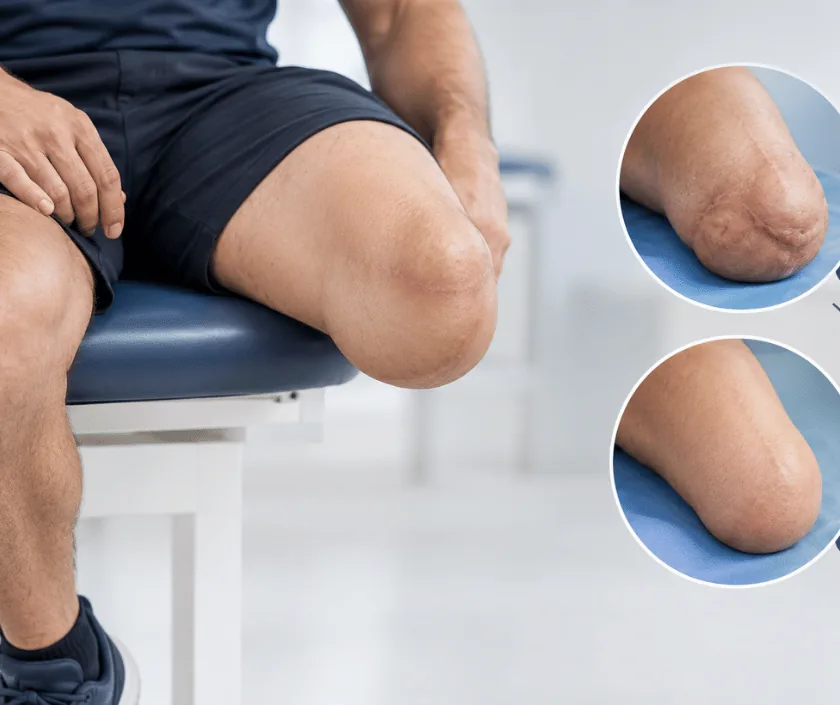
Amputation stump revision is surgery to correct problems that stop a prosthesis being worn comfortably. Bone that is too long or sharp can be trimmed, painful nerve endings can be buried away from pressure points, loose skin can be tidied and thin cover can be replaced with better padding. The aim is a stump that tolerates a socket and lets you walk or use the limb again.
A stump has a job to do. It must tolerate the pressure of a socket, hold a stable shape and stay comfortable through hours of walking or lifting. When any part of that fails, the limb sits unworn in a cupboard and mobility suffers. Revision surgery exists to fix the specific reason, which is why examination comes before any decision.
Several patterns show up repeatedly. Bone can be left too long, too sharp or with an overgrown spur that presses into the socket. Nerve endings can form tender neuromas at points that take load. Skin cover may be thin, stuck down or scarred across the very area that bears weight. Excess soft tissue also makes the shape unstable inside a socket.
Assessment therefore involves more than looking. Imaging shows bone length and shape, socket fit is checked and the prosthetist is usually involved. Correcting the wrong problem achieves nothing, so time spent identifying the true cause is time well spent before theatre.
Revision is offered when a clear, correctable problem is limiting limb use. Circulation, diabetes control and the state of the skin all influence whether surgery is sensible.
The stump is examined with and without the prosthesis, and imaging shows bone length and shape. Your prosthetist contributes, since socket fit and surgical plan have to match.
What needs doing is defined precisely, whether that is bone trimming, nerve treatment, scar repositioning or better soft tissue cover. Any expected shortening is discussed openly.
Under anaesthesia the stump is opened through a planned incision. Bone is shaped, nerve ends are treated and buried away from pressure, and soft tissue is arranged to pad the end.
Scars are placed away from weight bearing areas. Where cover is thin, a flap or fat grafting can be used to give the end proper padding.
Dressings, elevation and shaping garments follow. Once healing allows, the prosthetist takes a new socket impression and gait retraining begins.
You stay in hospital with the limb elevated and pain managed. Drains may be in place, and the wound is checked regularly.
Stitches are reviewed and a shaping garment or bandage is applied. Gentle exercises maintain movement at the joint above the stump.
The wound is usually healed and stump shape is stabilising. Socket impressions and prosthetic refitting typically start around this stage.
Walking or limb use has generally improved and swelling has settled. Socket adjustments continue as the stump takes its settled shape.
Revision usually improves comfort and socket tolerance, which is the practical measure that matters most. Sensation at the stump often stays altered, and phantom sensations may continue since they arise higher in the nervous system. The limb is generally a little shorter afterwards. Fitting takes time, and progress depends as much on rehabilitation and socket work as on the surgery itself.
Stump surgery happens at the end of a limb where blood supply and pressure are both challenging, so risks are discussed carefully.
A stump needs shaping, protection and steady exercise, so several habits run together in the early weeks.
Many causes are correctable, including bony spurs, neuromas and poorly placed scars. Identifying the specific reason is what makes treatment work.
Phantom feelings arise from the nervous system above the amputation and are common. They are managed separately from problems within the stump itself.
Socket changes solve a great deal, though not bone that is too long or a neuroma sitting under pressure. Surgery and prosthetics work together.
Most revisions remove only what is needed. Any expected shortening is measured and discussed with the prosthetist before surgery.
Elegance Clinic in Surat works alongside the limb fitting team so surgery and socket design are planned together rather than in isolation.

Cost depends on what the revision involves, from a straightforward bone trim to flap cover with fat grafting, along with the length of admission. Prosthetic refitting is charged separately by the limb centre, and we say so clearly so the whole picture is visible. A written estimate follows assessment. Insurance often contributes, since this treats a functional problem.
These are the questions that come up most often in consultation. If yours is not here, send it on WhatsApp and the team will reply, usually the same day.
Ask your question →The figure depends on whether bone alone is trimmed or soft tissue cover is also needed, plus the length of stay. Prosthetic refitting is billed separately by the limb centre. A written estimate follows assessment so the whole picture is clear.
It can be, provided blood sugar is controlled and circulation in the limb is adequate. Both are assessed before surgery. Poor control raises the chance of wound breakdown, so it is addressed first rather than worked around.
Expect several weeks without it while the wound heals and the stump shape settles. Refitting usually begins around six weeks, though this varies. Returning to the socket too early risks breaking the wound down.
Pain from a neuroma or a bony point often improves considerably once the cause is treated. Phantom sensations may continue, since they come from the nervous system above the amputation and are managed with other measures.
People whose circulation cannot support healing, those with uncontrolled diabetes or active infection, and continuing smokers. If socket modification alone can solve the problem, that is tried first before any operation is considered.
Once the stump has matured and repeated socket adjustments have not made wearing the limb comfortable. Early swelling changes shape a great deal, so surgery is usually delayed until the stump has settled.
The stump is examined with and without the prosthesis, imaging may be arranged and the prosthetist is often involved. Expected shortening, likely benefit and the refitting timeline are explained, with a written estimate provided.
Seeing patients from across the city and beyond: read about the practice on the plastic surgeon in Surat page, or check what a written estimate covers on the costs and insurance page.
