Thin skin over an implant can wear through and leave the device showing. Coverage surgery brings healthy, well supplied tissue across the area so the implant is protected and the skin has something solid to heal against.
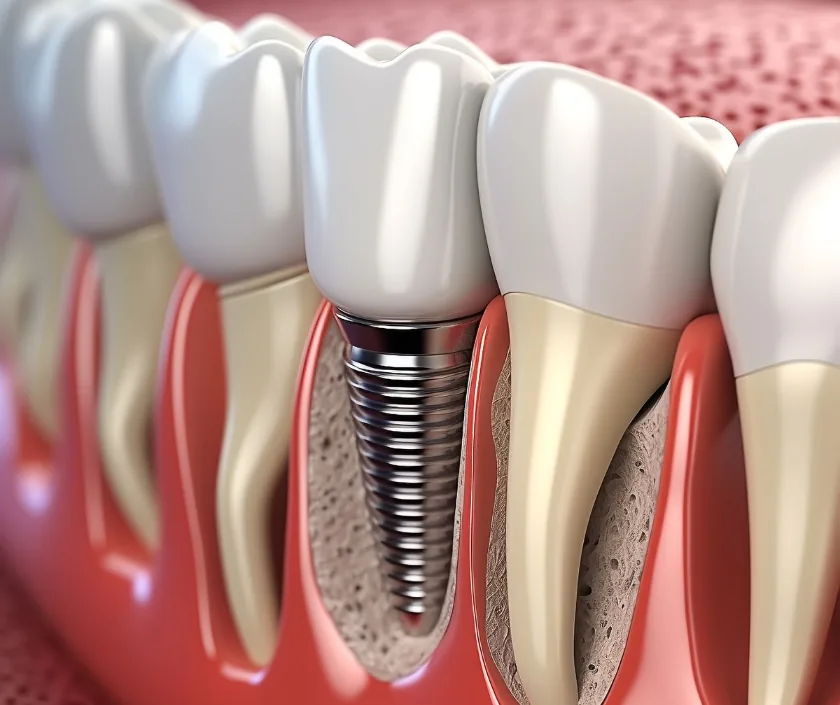
Implant exposure means the device is no longer fully covered by healthy tissue, either because the skin has opened or because it has thinned to the point of giving way. Coverage surgery moves well supplied tissue, such as a local flap or muscle flap, across the area. Sometimes the implant is exchanged or removed at the same time, depending on infection and tissue quality.
Every implant relies on the tissue above it. When that layer is thick, elastic and well supplied with blood, the device stays quietly in place for years. When it thins, whether through pressure, radiation, repeated surgery or infection, the skin loses its ability to hold. A shiny patch appears, then redness, then a small opening, and the implant is exposed.
Coverage surgery treats the tissue rather than the device. Healthy, well supplied tissue is brought across the area, most often as a local flap of skin and fascia or as a muscle flap that carries its own blood supply. Extra padding with fat grafting is sometimes added later, once the wound has healed, to thicken cover that remains thin.
Timing shapes the outcome. Cover placed over a clean, early problem generally holds. Cover placed over infected tissue tends to break down again, which is why the wound is cleaned and assessed first, and why removal is discussed openly when the tissue simply cannot support a device.
Coverage works when healthy tissue is available nearby and the infection risk is manageable. Assessment looks at the wound, the surrounding skin and your general health together.
The area is examined and the state of surrounding tissue judged. Swabs and blood tests check for infection, and the decision on whether the implant stays is made before theatre where possible.
Unhealthy skin edges and any dead tissue are trimmed away. The pocket is washed out thoroughly, since cover placed over contaminated tissue rarely holds for long.
Options range from a local flap of skin and fascia to a muscle flap that brings its own blood supply. Choice depends on the size of the gap and what tissue is available nearby.
Your flap is raised, moved into position and secured without tension. Drains may be placed, and the donor area is closed directly or grafted if that is needed.
Once healed, thin areas can be padded with fat grafting at a later sitting. Review continues over months, because late breakdown remains possible.
A short hospital stay is usual with drains and antibiotics. The flap is checked for colour and warmth, and pressure on the area is avoided entirely.
Drains are removed and the wound is reviewed often. Light activity resumes while lifting, stretching and pressure across the area stay restricted.
Wounds are generally healed and normal clothing feels comfortable again. Exercise restarts gradually, guided by the site involved.
Scars soften and the cover settles. Additional padding, such as fat grafting, is planned around this stage if tissue is still thin.
Where the tissue is clean and a good flap is available, cover usually holds and the implant can stay. Contour often changes, because moved tissue brings its own bulk and the donor area leaves a scar. Late breakdown remains possible, particularly in irradiated skin, so review continues for months. If cover fails a second time, removal and a planned rebuild is generally the wiser route.
Operating on compromised tissue carries more risk than a routine procedure, and that is discussed frankly beforehand.
Fresh cover is fragile for several weeks, so protecting it becomes the main task after discharge.
Skin edges over an implant are under tension and poorly supplied. Simple closure usually reopens, which is why tissue with its own blood supply is brought in.
Size is rarely the whole problem. If tissue above is thin or damaged, a smaller device still sits under the same fragile cover.
Late breakdown can happen, especially in irradiated skin, so review over months forms part of the plan rather than an optional extra.
Caught early with healthy tissue nearby, many implants are saved. That decision depends on infection and the quality of surrounding tissue.
Elegance Clinic in Surat treats exposure as a tissue problem and plans cover properly, rather than closing skin over a device and hoping it holds.

Cost depends on the type of cover used, the length of admission and whether the implant is exchanged or removed at the same time. A muscle flap costs more than a simple local flap because of the theatre time involved. After examination we provide a written estimate that separates surgery, stay, antibiotics and review. Since this treats a complication, insurance often contributes.
These are the questions that come up most often in consultation. If yours is not here, send it on WhatsApp and the team will reply, usually the same day.
Ask your question →The total reflects the type of flap used, theatre time, length of stay and whether the implant is exchanged. Antibiotics and review visits are included in the estimate. A written figure is shared after assessment, and insurance frequently contributes for a complication.
Leaving it uncovered is not advisable, because bacteria track along the device quickly. Whether it can stay depends on infection and tissue quality. Early surgery with proper cover offers the best chance, and removal is sometimes safer.
Expect a short hospital stay with drains, then close review over the first two weeks. Most wounds heal by around six weeks, though pressure and heavy activity across the area stay restricted for longer while cover strengthens.
Contour usually changes to some degree, since moved tissue brings its own bulk and the donor area leaves a scar. The priority is durable cover. Shape can be refined later once everything has healed and settled.
People with spreading infection, severely irradiated skin, no healthy tissue within reach or several previous failed attempts. Continuing smokers also do poorly, because flap survival depends on a good blood supply that smoking reduces.
As soon as you notice it. A shiny patch or a visible outline is far easier to treat than an open wound with an exposed device. Waiting usually turns a straightforward operation into a complicated one.
The area is examined and photographed, swabs and blood tests may be arranged and the state of surrounding tissue is assessed. You should leave knowing whether the implant is likely to stay and what surgery will cost.
Each technique below has its own page explaining how it works and when it is chosen.
Seeing patients from across the city and beyond: read about the practice on the plastic surgeon in Surat page, or check what a written estimate covers on the costs and insurance page.
