Finger replantation is a specialised microsurgical procedure that aims to reattach a completely or partially amputated finger after an injury. Patients considering treatment need to understand the surgical process, hospital stay, recovery period and follow-up requirements before making arrangements.
For patients travelling for treatment, an initial consultation can help determine whether replantation is suitable and what arrangements may be necessary. However, a recent finger amputation is a medical emergency. Patients should seek immediate emergency care rather than delay treatment to arrange a routine consultation or travel. Read more about why the first hour after a finger injury is important.
Dr. Ashutosh Shah, Director of Elegance Clinic and an experienced plastic, reconstructive and cosmetic surgeon with over 22 years of experience, explains that successful replantation requires careful patient selection, timely treatment, specialised microsurgical expertise and structured rehabilitation.
What Is Finger Replantation and Who Is It For?
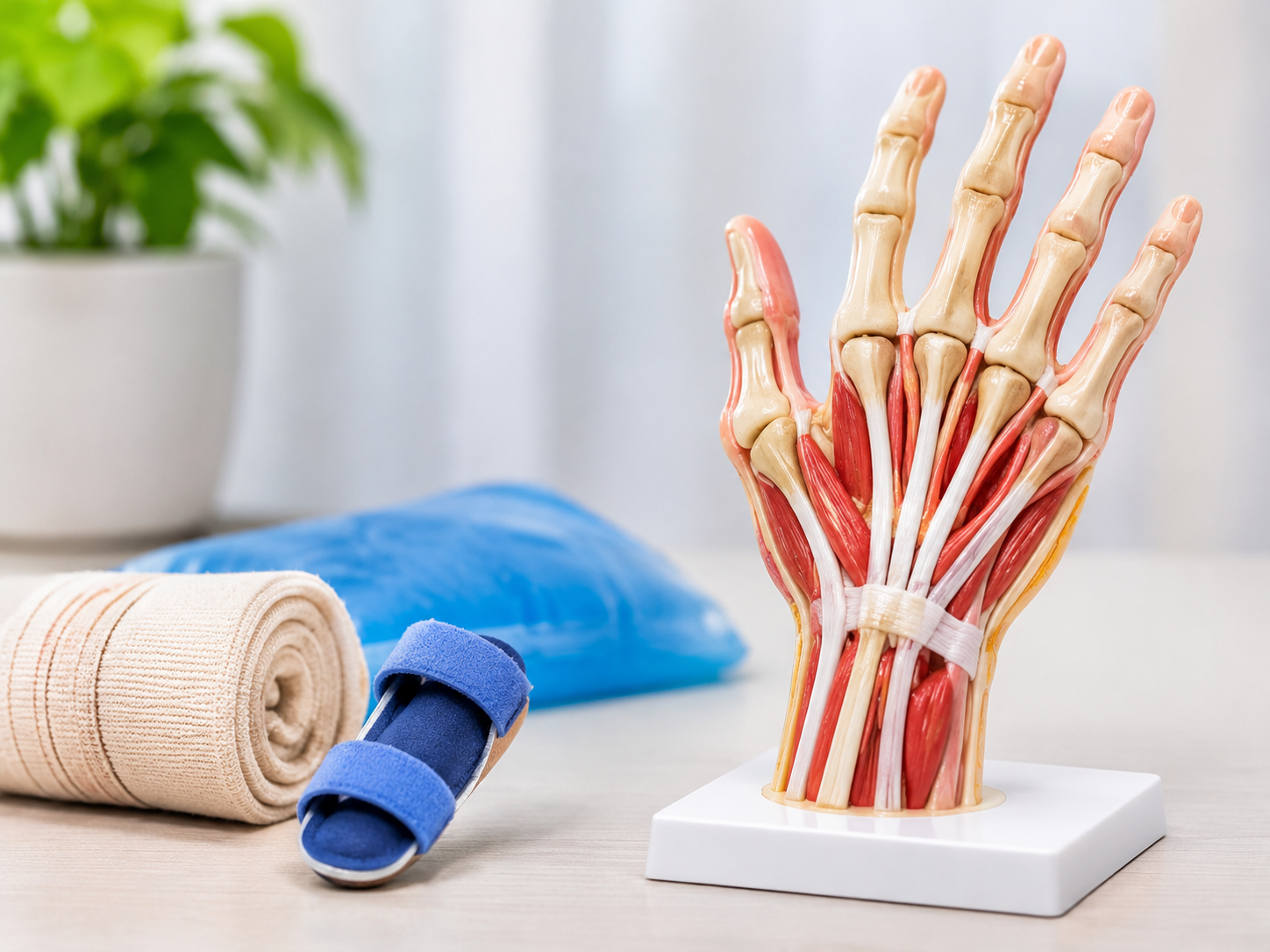
Finger replantation is a surgical procedure that attempts to reconnect a completely separated finger to the hand. The surgeon repairs the small blood vessels, nerves, tendons, bones and other injured tissues to restore circulation and provide the best possible chance of recovering function.
However, not every amputated finger is suitable for replantation. The decision depends on several factors:
-
Type of injury: A clean cut may offer better possibilities than a severely crushed or damaged finger.
-
Condition of the amputated part: The separated finger must have sufficient healthy tissue for reconstruction.
-
Level of amputation: The location of the injury and involvement of joints can influence the expected outcome.
-
Time since injury: The duration without an adequate blood supply is an important consideration.
-
Overall health: Existing medical conditions and the patient's general health can affect surgical planning and recovery.
Recognising the warning signs and understanding when specialist treatment may be necessary can help patients make timely decisions. Learn more about the 5 signs you need finger replantation.
The surgeon evaluates these factors before recommending treatment. In some situations, reconstruction or another surgical option may provide a better functional result than replantation.
How Is the Finger Replantation Procedure Done?
Finger replantation is a complex microsurgical operation. It generally takes several hours, although the exact duration depends on the injury, the number of structures requiring repair and the complexity of reconstruction.
The main stages include the following.
1. Initial Assessment and Preparation
The surgical team examines the injured hand and the amputated part. Doctors assess circulation, bone damage, soft tissue, nerves and tendons. They may also request blood tests, imaging and other investigations.
The anaesthesia team reviews the patient's health and determines the appropriate anaesthesia plan.
2. Cleaning and Removal of Damaged Tissue
The surgeon carefully cleans the injured areas and removes contaminated or severely damaged tissue. This preparation helps create healthier tissue surfaces for reconstruction.
3. Bone Repair and Stabilisation
If the finger bone is fractured or separated, the surgeon aligns and stabilises it using fine wires or other fixation methods. Proper bone alignment provides a stable foundation for repairing the remaining structures.
4. Tendon, Blood Vessel and Nerve Repair
The surgeon repairs the tendons that control finger movement. Using a surgical microscope, the surgeon then reconnects the tiny arteries and veins to restore blood circulation.
Nerve repair is also important because it provides the possibility of recovering sensation over time. The exact repair sequence may vary depending on the injury.
5. Dressing and Circulation Monitoring
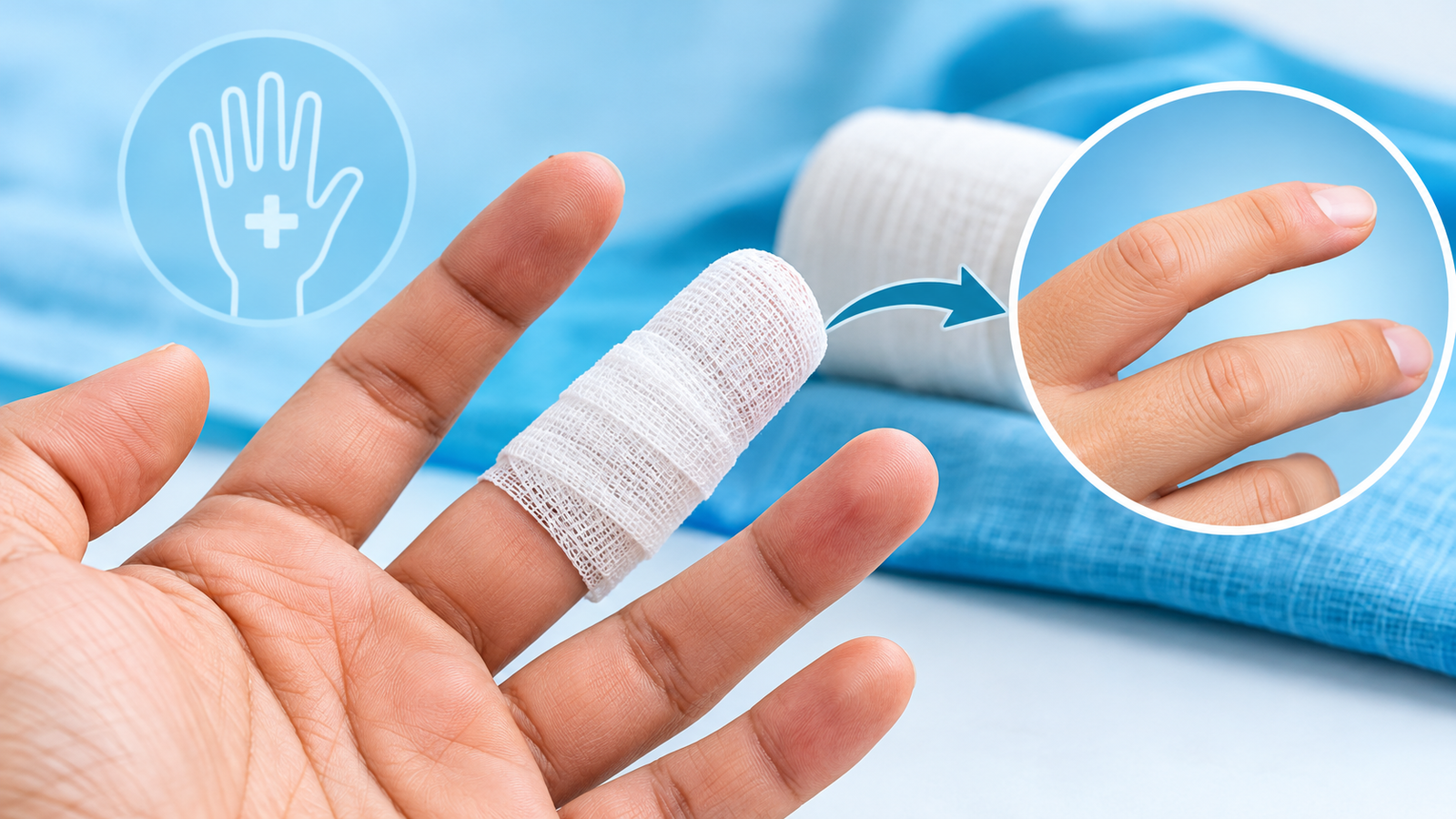
After reconstruction, the surgical team applies suitable dressings and protects the repaired finger. Medical staff monitor its colour, temperature and blood circulation closely.
The team may recommend additional treatment if circulation becomes inadequate.
Recovery: What Do the First Few Weeks Look Like?
Recovery after finger replantation takes time. The initial hospital period focuses on protecting the reconstructed finger and monitoring blood supply. Later recovery involves wound care, gradual movement and hand rehabilitation.
First Few Days: Hospital Monitoring
Patients usually remain in the hospital for close observation after surgery. The medical team checks blood circulation regularly and watches for complications such as blood clots, swelling, infection or inadequate blood flow.
Patients may receive prescribed medicines and instructions to keep the hand elevated. Smoking must be avoided because it can interfere with circulation and increase the risk of complications.
Weeks 2 to 6: Wound Healing and Protection
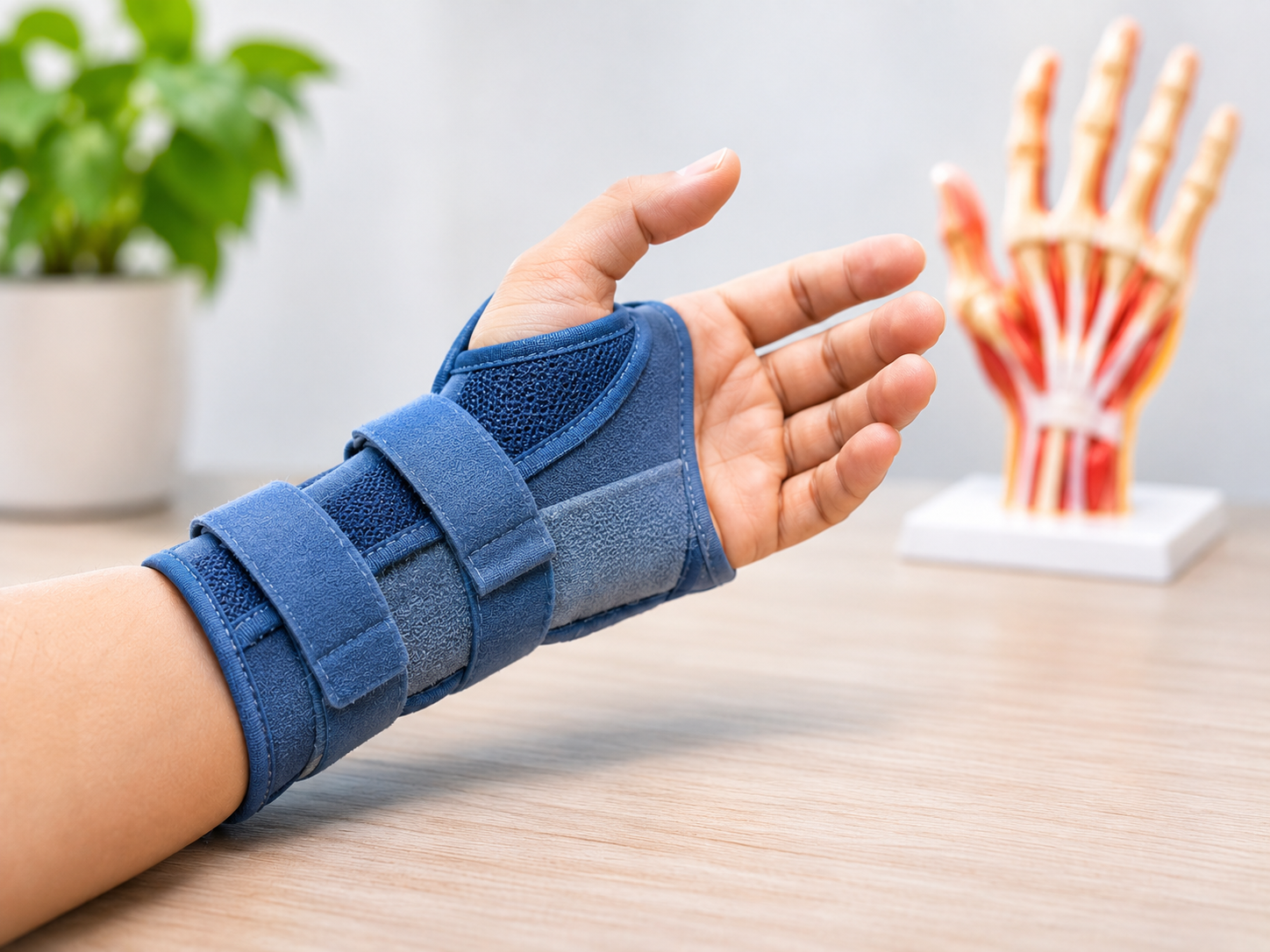
During this period, the surgical team reviews wound healing and checks the condition of the replanted finger. Dressings, splints or protective support may remain necessary.
Patients should follow the surgeon's instructions carefully. They should not start exercises, remove dressings or put pressure on the finger without medical advice.
Following Months: Rehabilitation and Functional Recovery
Once the surgeon considers it safe, hand therapy may begin. Rehabilitation helps maintain joint movement, reduce stiffness and gradually improve finger function.
Nerve recovery can take several months or longer. Therefore, sensation and movement may improve gradually rather than immediately after surgery.
The outcome varies from patient to patient. Some patients regain useful movement and sensation, while others may experience stiffness, reduced feeling or limited function.
Patients should also understand the limitations of this operation. Read about common myths about finger replantation in India to better understand the procedure, expectations and recovery.
What Factors Change the Cost of Finger Replantation?
The cost of finger replantation depends on the complexity of the injury and the treatment required. A reliable estimate is possible only after reviewing the patient's medical condition and surgical requirements.
Important cost factors include:
-
Severity of the injury: Extensive damage may require more complex reconstruction.
-
Surgical duration: Longer operations may involve additional operating room and medical team costs.
-
Anaesthesia: The type of anaesthesia and associated monitoring influence the overall expense.
-
Hospital stay: The duration of admission and post-operative monitoring affect the total cost.
-
Additional procedures: Bone fixation, tissue grafting or further surgery may increase treatment requirements.
-
Medicines and investigations: Blood tests, imaging, medicines and other investigations contribute to the overall expense.
-
Rehabilitation: Hand therapy and follow-up appointments are important parts of the recovery plan.
Patients should request a written estimate that explains what the quoted amount includes. They should also ask whether additional treatment or an extended hospital stay could change the estimate.
How to Plan Finger Replantation in Rajkot: Visit and Consultation
Planning is important when treatment involves travelling and several follow-up appointments. However, the urgency of the injury must always come first.
For a recent amputation, go to the nearest emergency department immediately. Do not wait for an online appointment or travel arrangements before receiving emergency medical attention. The treating team can coordinate specialist assessment and referral when appropriate.
For a planned consultation or an already stabilised injury, the following steps can help.
1. Arrange an Initial Consultation
Contact the clinic to discuss the injury, previous treatment and medical history. Ask whether an online consultation is appropriate for the initial discussion.
Share available medical reports, X-rays, photographs and discharge summaries. An online consultation can help with preliminary planning, but it cannot replace a physical examination when one is necessary.
2. Confirm the Treatment Plan
Ask the surgeon whether replantation or another reconstructive option may be appropriate. Discuss the expected surgical duration, anaesthesia, hospital stay and possible complications.
The final decision depends on a direct clinical assessment.
3. Plan Accommodation and Assistance
Patients should arrange for a family member or attendant to accompany them. After surgery, the operated hand may need protection, and patients may require assistance with everyday activities.
Confirm the expected admission period and any accommodation requirements before making non-refundable travel arrangements.
4. Understand Follow-Up Requirements
Follow-up visits allow the surgeon to assess circulation, wound healing, bone stability and finger function.
Ask which appointments must take place in person and whether some routine discussions can happen remotely. Also clarify whether hand therapy can continue closer to home after the initial treatment period.
5. Follow Travel Advice Before Returning Home
Do not decide the return date independently. The surgeon should confirm that the patient is medically stable for travel and explain how to protect the hand during the journey.
A suitable dressing, splint, prescribed medicines and emergency contact details should be arranged before discharge.
Questions to Ask Before You Decide
Before proceeding with finger replantation, patients and family members should discuss the following questions with the surgeon:
-
Is the injury suitable for replantation?
-
What functional improvement can reasonably be expected?
-
How long could the operation take?
-
Which type of anaesthesia will be used?
-
How long might hospital admission be necessary?
-
What complications should we understand?
-
When can hand therapy begin?
-
How many in-person follow-up visits may be required?
-
When might travel become safe?
-
What is included in the estimated treatment cost?
Clear answers help patients understand the treatment commitment and make informed decisions.
Plan Your Consultation with Elegance Plastic Surgery
Finger replantation requires specialised surgical assessment, careful planning and dedicated post-operative care. Patients should understand that the procedure aims to restore useful function, but complete recovery cannot be guaranteed.
Dr. Ashutosh Shah and the team at Elegance Plastic Surgery can help patients understand the available treatment options, surgical requirements and follow-up planning.
For consultation-related information, visit the Elegance Plastic Surgery contact page.