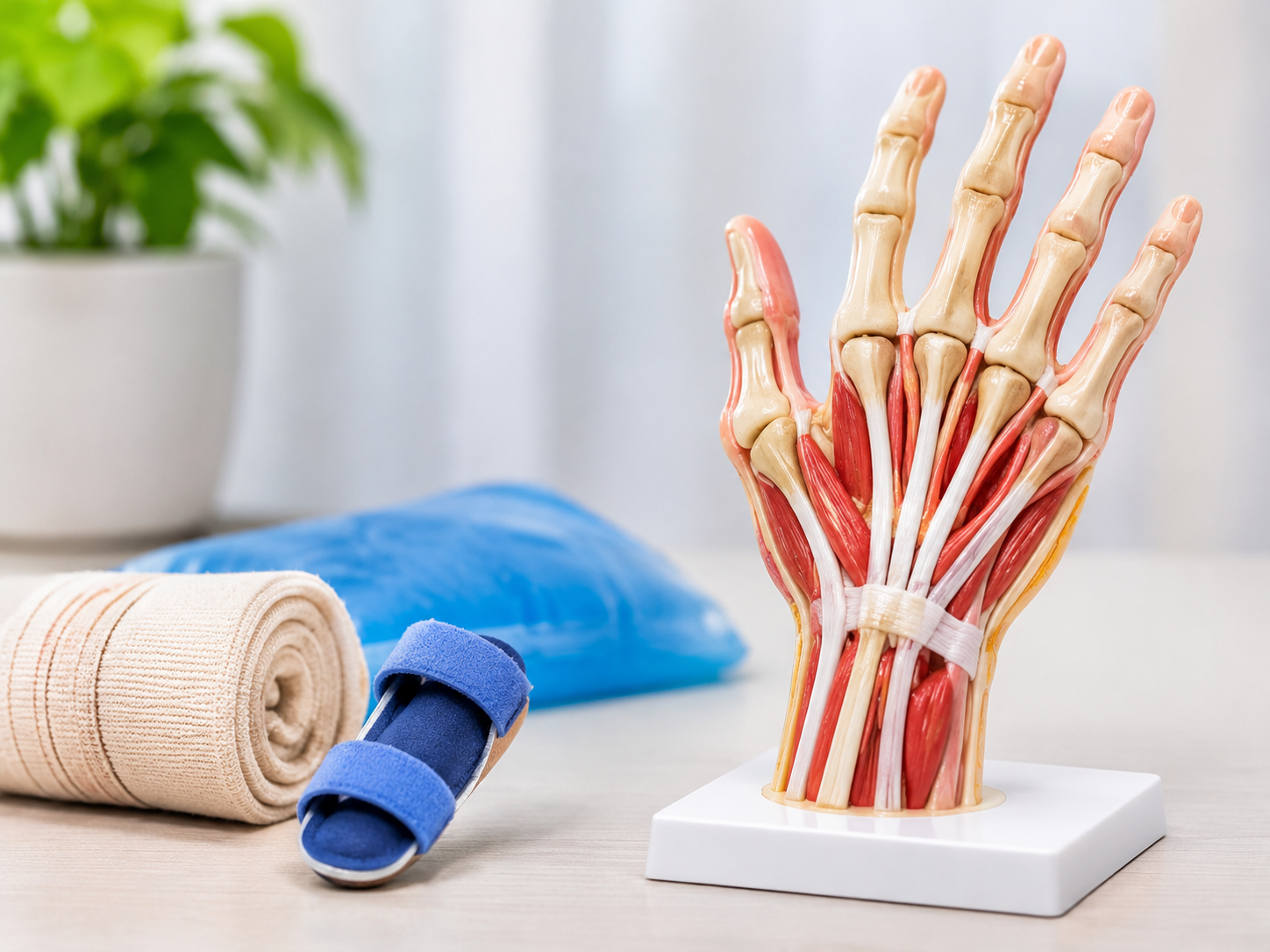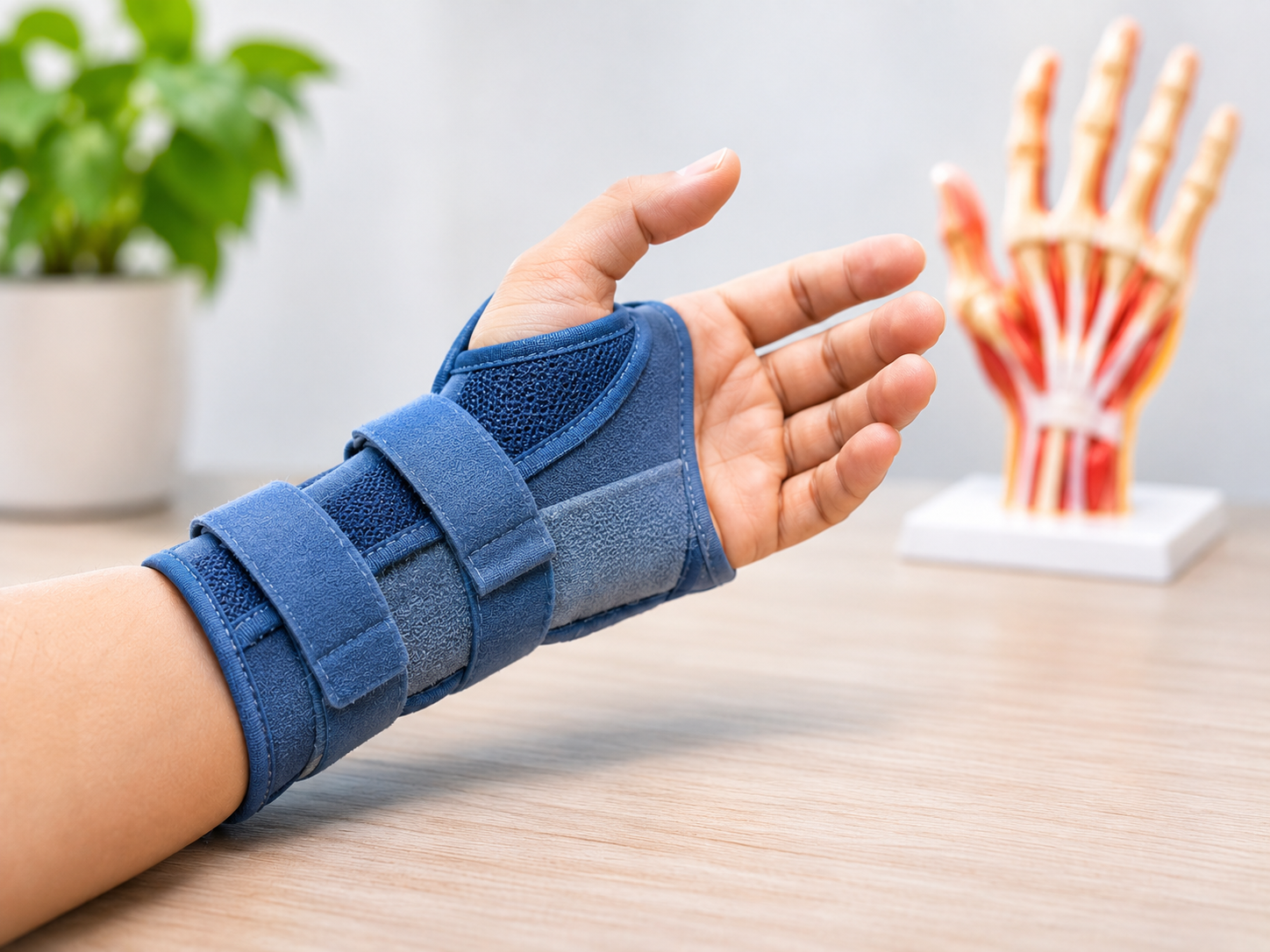
A good candidate for hand surgery generally has a condition that may benefit from surgical treatment, is in sufficiently stable health for the planned procedure, and understands the expected recovery. Uncontrolled diabetes, high blood pressure, smoking, or other health concerns may require attention first. A specialist consultation confirms whether surgery is appropriate.
If you are wondering who can get hand surgery, the answer depends on your diagnosis, symptoms, hand function, and the benefits of treatment compared with its risks. Some patients need surgery to restore movement or repair damaged structures, while others may improve with splinting, medication or hand therapy.
Who Usually Benefits Most?
Hand surgery may benefit people with injuries, congenital differences or medical conditions affecting hand function.
The hand contains bones, joints, tendons, nerves, blood vessels, and soft tissues. Damage to these structures can affect gripping, writing, lifting, and other daily activities.
1. Patients with tendon injuries
Tendons allow fingers and the wrist to move. A torn or severed tendon may require surgical repair, particularly when normal movement is significantly affected.
2. Patients with nerve damage
Nerve injuries may cause numbness, weakness, pain or reduced sensation.
Selected nerve injuries benefit from repair or reconstruction, depending on the location and severity of the damage.
3. Patients with hand fractures
Some fractures require surgery when bones are unstable, displaced or involve important joint surfaces.
However, stable fractures may heal with immobilisation and follow-up.
4. Patients with congenital hand differences
Children born with certain hand differences may benefit from reconstructive procedures to improve function or alignment.
For example, radial club hand can affect wrist position and hand development.
Similarly, split hand or cleft hand may require an individual treatment plan based on functional needs and anatomy.
Not every congenital difference requires surgery.
5. Patients with restricted hand movement
Scar contractures, joint stiffness and selected soft-tissue conditions may limit hand movement.
Surgery may be considered when the restriction significantly affects daily activities and conservative treatment is insufficient.
Who may benefit most?
People with a clear diagnosis, meaningful functional difficulties and realistic treatment goals are often suitable candidates for surgical assessment.
Patients can also explore hand surgery articles for related information.
Hand Surgery in Vesu Surat: Who Should Wait or Avoid It for Now?
Not everyone with a hand problem should undergo surgery immediately.
Some patients need medical optimisation, further investigations or a trial of non-surgical treatment before an operation.
Uncontrolled diabetes
High blood glucose may increase the risk of infection and delayed wound healing.
Patients with diabetes should discuss glucose control, medications and possible nerve or circulation problems with their treating team.
Uncontrolled high blood pressure
Significantly elevated blood pressure can increase anaesthetic and perioperative risks.
The medical team may recommend treatment adjustments before elective surgery.
Smoking and nicotine use
Smoking and nicotine exposure can reduce blood supply and interfere with tissue healing.
This is particularly important when surgery involves tendons, bones, skin grafts or reconstructive flaps.
Active infection
An active infection may require treatment before an elective reconstructive procedure.
However, certain hand infections need urgent surgery. Patients should not delay assessment of a painful, swollen or infected hand.
Uncertain diagnosis
If the cause of pain, numbness or stiffness is unclear, further examination or investigations may be necessary.
Surgery should target a clearly identified condition rather than symptoms alone.
Unrealistic expectations
Hand surgery may improve function, but it cannot guarantee complete restoration of movement, sensation or strength.
The surgeon should explain likely benefits, limitations and rehabilitation requirements.
Important: Severe injuries, compromised circulation, deep infections and certain tendon or nerve injuries may require urgent treatment even when other medical conditions are present.
How Do Age, Weight and Health Conditions Matter?
Hand surgery eligibility depends more on the medical condition and overall health than on a single age or weight threshold.
Does age affect eligibility?
Children, adults and older patients may all require hand surgery.
In children, the timing of congenital reconstruction depends on growth, anatomy and developmental needs.
In older adults, the surgeon considers general health, bone quality, circulation and rehabilitation capacity.
There is no universal maximum age for every hand procedure.
Does body weight matter?
Body weight alone does not determine suitability.
However, significant obesity or poor nutritional status may affect anaesthesia, wound healing or rehabilitation.
The surgeon considers these factors alongside the urgency and complexity of the procedure.
What if you have diabetes or high blood pressure?
Many patients with well-managed chronic conditions can undergo necessary hand surgery after appropriate assessment.
The treatment team may coordinate with other specialists to optimise health before the operation.
Does smoking affect surgical outcomes?
Yes. Smoking can increase wound-healing complications and may interfere with bone and tissue repair.
Patients should discuss nicotine cessation before surgery.
The recommended cessation period depends on the procedure and clinical circumstances.
What Tests Are Done Before Treatment?
A hand surgery consultation begins with understanding the patient's symptoms, medical history and functional difficulties.
Dr. Ashutosh Shah at Elegance Clinic may assess hand movement, strength, sensation and circulation before recommending treatment.
Clinical examination
The assessment may include:
-
Finger and wrist range of motion.
-
Grip and pinch strength.
-
Tendon function.
-
Nerve sensation.
-
Blood circulation.
-
Joint stability.
-
Scarring or deformity.
Imaging and investigations
Depending on the condition, investigations may include:
X-rays: To examine fractures, joint alignment or bone abnormalities.
Ultrasound: To assess selected tendon or soft-tissue problems.
MRI: To investigate complex soft-tissue or joint conditions when necessary.
Nerve conduction studies: To evaluate certain nerve disorders.
Blood tests: To assess general health and readiness for surgery.
Not every patient requires every investigation.
Preoperative assessment
Before surgery, the team may review:
-
Current medications.
-
Allergies.
-
Previous operations.
-
Diabetes or blood pressure control.
-
Smoking history.
-
Anaesthesia-related risks.
-
Home support during recovery.
The exact evaluation depends on the planned operation.
Hand Surgery Eligibility: Self-Check Table
The following checklist can help you prepare for a consultation. It does not replace a medical assessment.
| Self-check question | Yes / No | Discuss with doctor |
|---|---|---|
| Do you have persistent pain, weakness or restricted hand movement? | ☐ Yes ☐ No | Identify the underlying condition |
| Has a specialist diagnosed a hand injury or deformity? | ☐ Yes ☐ No | Confirm whether surgery is necessary |
| Does the condition interfere with daily activities? | ☐ Yes ☐ No | Explain your functional difficulties |
| Have non-surgical treatments been considered where appropriate? | ☐ Yes ☐ No | Discuss alternatives |
| Is your diabetes or blood pressure reasonably controlled? | ☐ Yes ☐ No | Review medical optimisation |
| Do you smoke or use nicotine products? | ☐ Yes ☐ No | Discuss cessation and healing risks |
| Can you attend follow-up and hand therapy appointments? | ☐ Yes ☐ No | Plan rehabilitation |
| Do you understand the possible complications and limitations? | ☐ Yes ☐ No | Clarify realistic outcomes |
| Can you arrange help during recovery if needed? | ☐ Yes ☐ No | Plan home and work support |
How to interpret the checklist: There is no numerical passing score. A “No” answer does not automatically mean surgery is unsuitable, and a “Yes” answer does not confirm eligibility.
What Are Realistic Expectations?
A successful hand operation aims to address a specific medical or functional problem.
However, the degree of improvement depends on the condition, tissue damage, surgical technique, and rehabilitation.
Improvements that may be possible
-
Better finger or wrist movement.
-
Improved grip or hand positioning.
-
Reduced pain in selected conditions.
-
Repair of damaged tendons or nerves.
-
Correction of certain congenital differences.
-
Improved ability to perform everyday tasks.
What surgery cannot guarantee
Surgery cannot guarantee complete recovery of strength, sensation, movement or appearance.
Some patients experience persistent stiffness, numbness, scarring or reduced function.
Nerve recovery may be prolonged or incomplete.
Why rehabilitation matters
Hand therapy can be essential after tendon, nerve or joint surgery.
Treatment may involve protective splints, controlled exercises, swelling management and gradual strengthening.
Patients should follow the rehabilitation plan carefully because inappropriate movement can damage certain repairs.
Discussing your treatment goals
Before deciding, explain which activities are most important to you.
For example, you may want to return to writing, using tools, lifting objects or performing household tasks.
The surgeon can then explain whether the planned procedure is likely to improve those activities.
Conclusion
Understanding who can get hand surgery begins with identifying the condition, assessing its effect on daily function and considering available treatment options.
A suitable candidate has a medical reason for surgery, understands the possible benefits and risks, and can participate in the recommended recovery programme.
Dr. Ashutosh Shah at Elegance Clinic can assess hand conditions and discuss whether surgical or non-surgical treatment is appropriate.
Have questions about your hand condition? Arrange a consultation to discuss your symptoms, investigations and treatment options.