The lotus petal flap uses skin from beside the groin or buttock crease to resurface the perineum. Because the tissue is local and thin, it fits the area well, and the donor scar settles into a natural crease.
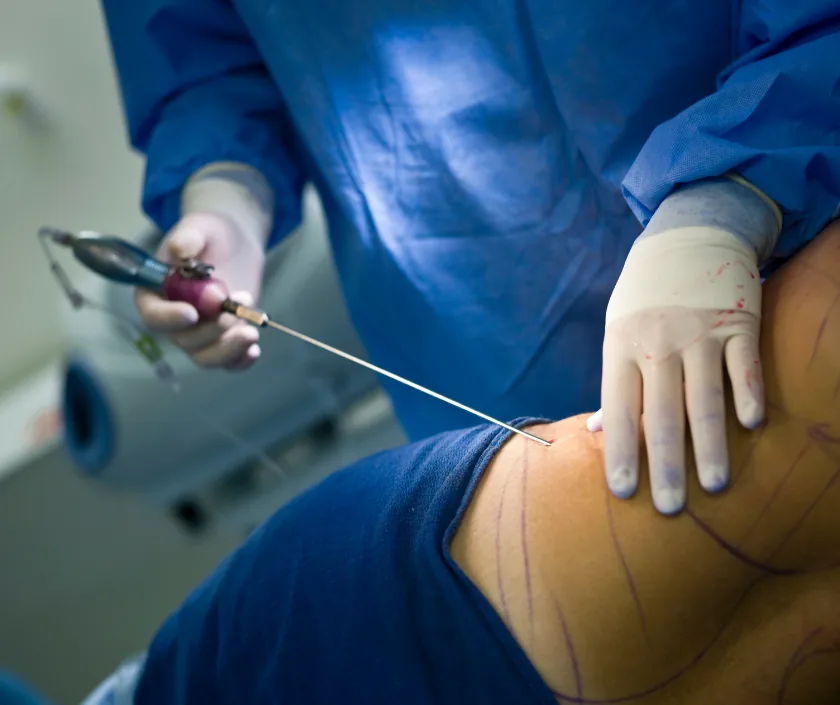
A lotus petal flap is a petal shaped piece of skin and fat raised from beside the groin or buttock crease and rotated into the perineum. It resurfaces the area after cancer removal, severe infection or radiation damage. One or more petals may be used, and the donor scar sits hidden within a natural skin crease.
Resurfacing the perineum calls for tissue that is thin, pliable and reliable. This flap fits that description well. Skin and fat are marked out as a petal shape beside the groin crease or buttock fold, raised on small vessels running in the area, then turned inwards to cover the defect. Its name comes from the shape of the marking.
The technique suits wounds left after removal of vulval, anal or perineal cancer, after severe soft tissue infection, and where radiation has damaged the skin. Two or more petals can be raised from either side and joined, which allows a wide defect to be resurfaced without borrowing tissue from far away.
Recovery centres on protecting the flap. Drains manage fluid, position is changed regularly, and sitting is limited at first. Hygiene routines are taught before discharge, since keeping the area clean and dry matters as much as any dressing. Reviews then check healing, scar comfort and how sitting is progressing.
This flap suits people needing thin, local cover for a perineal defect, where the skin beside the groin or buttock crease remains healthy.
The defect is measured and the petals are drawn beside the groin or buttock crease. Marking is done with you both standing and lying, so the scar settles into a natural fold.
Tumour, infected tissue or damaged skin is removed and the wound is washed. Margins are checked, since cover is placed only once the base is clean and healthy.
Each petal is raised with its small feeding vessels protected. Handling stays gentle throughout, because the blood supply to this flap is delicate and needs care.
Petals are rotated into the defect and stitched without tension. One or several may be used, and both sides can be combined when the area is wide.
Small drains prevent fluid gathering. Position is planned so the flap is never compressed, and nursing staff explain sitting and hygiene before you go home.
You rest while the flap is checked regularly for colour and warmth. Pain relief and gentle position changes come first, and drains stay in until fluid settles.
Sitting begins in short spells, usually with a cushion. Discharge home follows once the flap looks healthy and you can manage washing and dressings.
Comfort improves noticeably. Reviews check the flap, the donor scar and how sitting and walking are progressing, while light activity resumes.
Scars soften and settle into the creases. Sensation changes gradually, and any concerns about comfort or sexual function are discussed at review.
Most people gain durable skin cover and find hygiene and sitting easier once healing is complete. Scars remain at the perineum and the donor crease, and colour and texture differ slightly from the surrounding skin. Sensation in the flap is usually reduced. Recovery can vary, and small areas of wound separation sometimes occur, which generally settle with dressings and time.
Flap surgery in this area carries specific risks, and each one is explained before you give consent.
Simple daily routines protect the flap while it settles into place.
Grafts often fail in a moist, mobile area with a poor bed. A flap brings its own blood supply, which is why it holds where a graft cannot.
Marking places the scar inside the groin or buttock crease, where body contour and ordinary clothing usually conceal it.
Sitting returns in short spells with a cushion, and most people build up steadily over the weeks that follow.
Feeling in the flap is usually reduced, since skin is moved with its blood supply rather than with its original nerves.
Reconstruction in this area needs privacy, careful marking and practical aftercare advice, so consultations are unhurried and a written estimate is issued before admission.

Cost depends on the size of the defect, how many petals are needed, whether tumour removal happens in the same session and the length of stay. A written estimate is prepared after assessment rather than quoted in advance. It separates surgeon and anaesthesia fees, theatre charges, ward stay and review visits, with help offered for insurance claims.
These are the questions that come up most often in consultation. If yours is not here, send it on WhatsApp and the team will reply, usually the same day.
Ask your question →An estimate is written after assessment, since the number of petals, any combined tumour surgery and the length of stay all affect the total. Each element is set out in writing before admission.
Skin and fat are taken from beside the groin crease or the buttock fold, close to the defect. Marking places the resulting scar inside a natural crease, where it is generally well hidden.
Yes, once healed it provides durable cover. Sitting is limited at first to protect the stitches, then reintroduced in short spells with a cushion. Comfort usually improves steadily week by week.
Gentle washing with plain water and patting dry is normally all that is advised, alongside loose cotton clothing. Nursing staff go through the routine before discharge and check it at review visits.
It can, provided the donor skin beside the groin or buttock lies outside the treated field. Where that skin has been irradiated, a different flap is usually chosen instead.
Sensation is usually reduced, since the skin moves with its blood supply rather than its original nerves. Some feeling often returns at the edges over the months that follow.
Lighter work often resumes well before jobs involving prolonged sitting or heavy activity. Timing is agreed at review. Recovery can vary with the size of the defect and general health.
Each technique below has its own page explaining how it works and when it is chosen.
Seeing patients from across the city and beyond: read about the practice on the plastic surgeon in Surat page, or check what a written estimate covers on the costs and insurance page.
