Congenital ptosis is a drooping upper eyelid present from birth. Because a covered pupil can hold back visual development, timing is judged together with an eye specialist rather than by age alone.
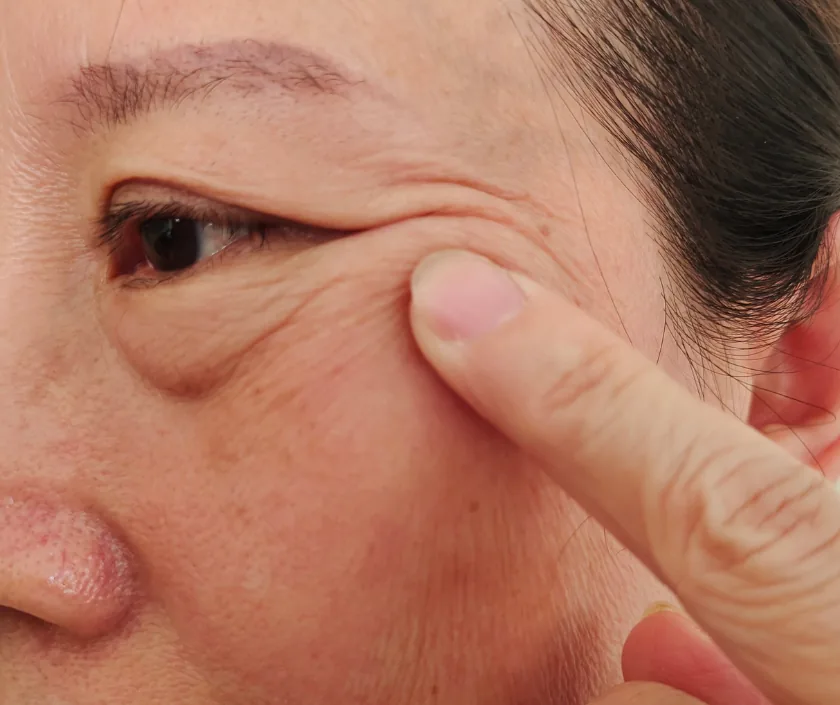
Congenital ptosis surgery lifts an upper eyelid that has drooped since birth because the lifting muscle is weak. The operation either tightens that muscle or connects the lid to the brow with a sling. Timing depends on how much the lid blocks the pupil, since an obstructed eye can fall behind in visual development.
The upper lid is lifted by a muscle called the levator. In congenital ptosis this muscle has not developed properly, so the lid sits low and does not lift well when the child looks up. One eye is affected in most children, though both can be. Parents often notice a lid crease that is missing on one side, or a child who tips the head back to see under the lid.
Vision matters as much as appearance here. When the lid covers the pupil, the brain gets a poorer image from that eye and the eye can fall behind, a problem eye specialists call amblyopia. That is why children are assessed jointly, with vision, squint and refraction checked before any operation is planned.
The operation chosen depends on how much lift the muscle still has. Where some function remains, the muscle is shortened so it pulls the lid higher. Where function is very poor, a sling is used to link the lid to the brow, so the forehead muscles do the lifting instead. Both routes need review as the child grows.
The decision and its timing are made with an eye specialist, because a drooping eyelid can affect how vision develops in a young child.
Lid height and lifting power are measured, and an eye specialist checks vision, squint and the surface of the eye. These findings decide both the timing and the type of operation.
Good muscle function points towards tightening the levator. Very poor function points towards a brow sling, which lets the forehead lift the lid instead of the weak muscle.
Through a crease incision, the lifting muscle is exposed, shortened and reattached at a higher point on the lid, setting the height and the crease at the same time.
A strip of tissue or a fine sling material is tunnelled from the lid to above the brow, so raising the eyebrow raises the eyelid with it.
Ointment and sometimes a light pad are used, because the lid may not close fully at first. Drops and eye care are taught to the family before discharge.
Swelling and bruising around the eye are expected. Ointment keeps the surface moist, cool packs help and the eye is checked before your child goes home.
Bruising fades and stitches are checked or removed. Rubbing the eye, swimming and dusty play are avoided. Most children go back to school in this period.
The lid height is easier to judge once swelling has settled. Vision is rechecked by the eye specialist and any patching plan is reviewed.
The crease and height keep refining. Yearly checks continue, and some children need an adjustment later as the face and lid change with growth.
Most children get an eyelid that clears the pupil and a head position that returns to normal. The two eyes rarely match exactly, and a small difference in eyelid height or crease is usual. The eyelid can settle lower over the years, so some children need a second adjustment. Where the lifting muscle is very weak, the eyelid may not blink or close as fully as the other side, and eye lubrication then becomes part of routine care.
Ptosis surgery is common in children and usually goes well. The eye itself needs protection during healing, so the points below are explained carefully.
The eyelid is swollen and bruised at first, and protecting the surface of the eye is the priority.
It can block the line of sight and affect how vision develops, which is why an eye specialist assesses it.
The problem is a weak lifting muscle. Exercises and massage do not strengthen it or raise the eyelid.
Waiting suits some children and not others. Timing is decided from the vision checks, not from age alone.
Eyelids can drift lower as a child grows, so some children need a further adjustment later on.
Families come to us for eyelid surgery that is planned around an eye specialist assessment, so the decision is about vision first and appearance second.

Cost depends on whether one eyelid or both are treated, whether the muscle is tightened or a sling is used, the sling material chosen, the anaesthetic time and whether your child stays overnight. Joint eye assessments, patching and later adjustments are counted separately. A written estimate is shared after the assessment, along with a check of what insurance or scheme cover may apply.
These are the questions that come up most often in consultation. If yours is not here, send it on WhatsApp and the team will reply, usually the same day.
Ask your question →No standard band is published, since one lid or two, and muscle tightening versus a sling, are very different operations. Anaesthetic time and hospital stay also count. You receive a written estimate after the joint assessment.
It is a routine paediatric operation done under general anaesthesia after the usual checks. The main concerns are lid height, incomplete closure and dryness of the eye surface, which are managed with ointment and close review.
Timing is judged with an eye specialist. A lid that blocks the pupil is treated early, because vision develops in the first years of life. Where the pupil is clear, surgery can often wait until the child is older.
It can. When the lid covers the pupil, the brain receives a blurred image from that eye and vision in that eye may not develop fully. Regular checks, glasses and patching are used alongside surgery to protect sight.
Most children go home the same day or after one night. Swelling and bruising settle over one to two weeks and school restarts around then. Lid height is only judged properly after about six weeks.
The aim is a lid height and crease that closely match the other side. A small difference often stays, and the lids move differently when the child looks up or down. Improvement is usually clear to families.
Lid height and muscle strength are measured and photographs are taken, and an eye specialist checks vision and eye movements. You hear which operation suits your child, when it should be done and what it would cost in writing.
Seeing patients from across the city and beyond: read about the practice on the plastic surgeon in Surat page, or check what a written estimate covers on the costs and insurance page.
