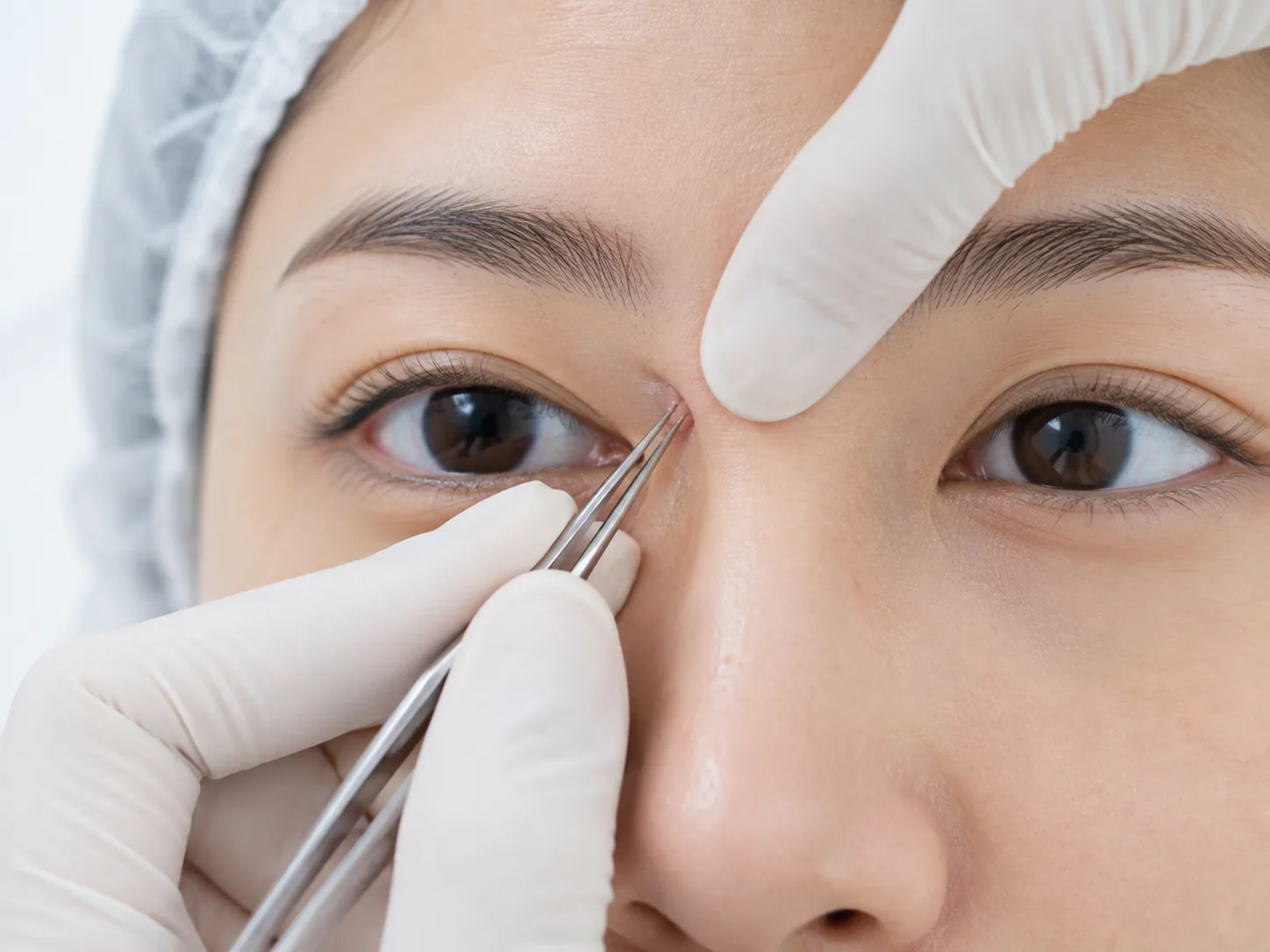
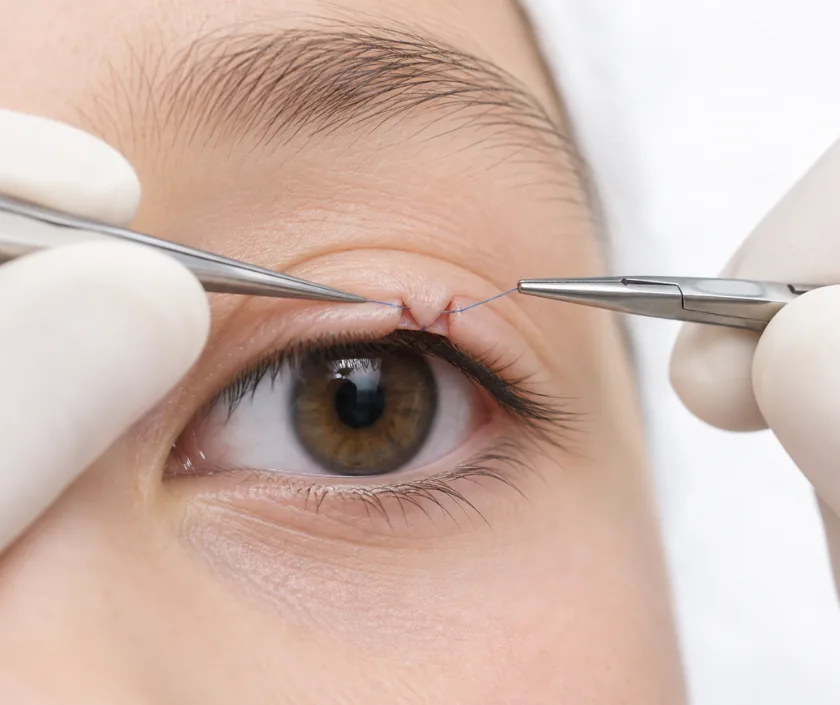
Eyelids do a lot of quiet work. They protect the eye, spread the tear film and let light reach the retina. When a lid or the bony socket around it forms differently before birth, the effect is not only cosmetic. A lid that sits too low can block vision in a young child, and vision that is blocked early may not develop fully. That is why eyelid and orbital differences are usually reviewed by both an eye specialist and a plastic surgeon.
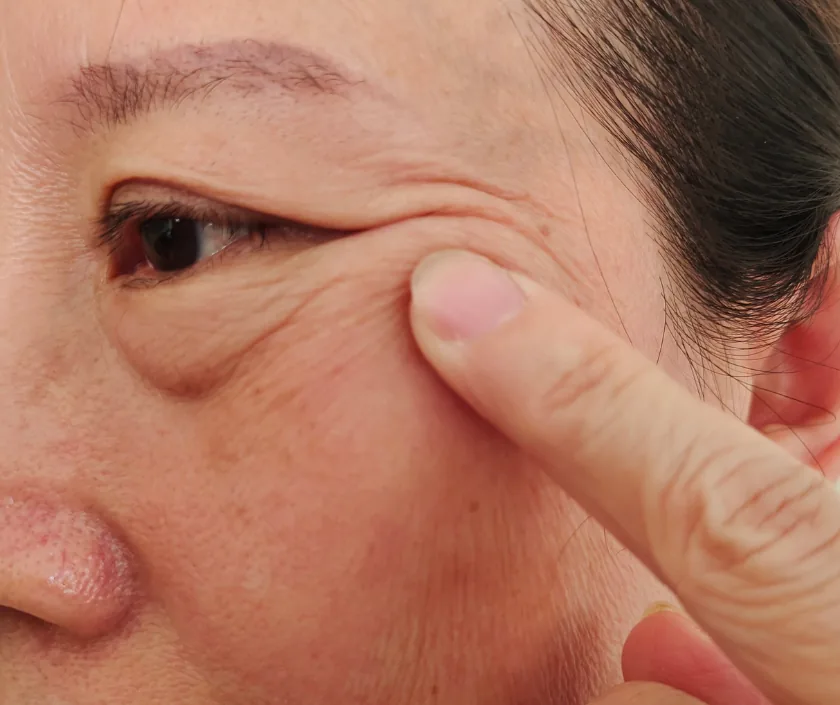
This page sets out the main groups, from a drooping upper lid to a notch in the lid margin or folds of skin at the inner corner. Some settle on their own as the face grows. Others need timed surgery, and the timing matters as much as the technique. Assessment at Elegance Clinic in Surat includes measuring how much the lid lifts, checking how well the eye closes at night and looking at head posture, since children often tip the chin up to see under a low lid.
Grouping by which structure is affected explains why one child is watched and another is listed for early surgery.
When a lid blocks the pupil, the brain may stop using that eye properly. Patching, glasses and early lid surgery all aim to keep vision developing on schedule. Regular eye checks continue after any operation, because sight and lid position are followed separately.
Watering eyes in babies are common and often settle as the tear passage opens by itself. Persistent watering with sticky discharge may need probing. Where the inner corner is also displaced, the tear drainage system is checked before any lid reshaping.
Some children sleep with the lids slightly apart, which dries the surface. Ointment at night protects the cornea. After lid lifting, closure is checked carefully, because raising a lid can reduce how completely it shuts.
Eyelid skin heals finely, so scars usually fade well. Even so, the two sides rarely end up identical. A small difference in crease height or lid level is common, and a minor adjustment can be discussed once the tissues have settled.
Eyelid differences are usually reviewed on a planned schedule. The following changes should prompt a sooner appointment.
These are the points parents and adult patients raise most often.
Ask your question →Fees vary with the technique, whether one lid or both are treated, the type of anaesthetic and whether staged surgery is planned. An itemised estimate is shared after the examination and vision assessment, so there are no surprises later.
Children tolerate lid surgery well when they are assessed properly first. Risks include bleeding, infection, under correction, over correction and difficulty closing the eye at night. Each is explained before consent, along with how it would be managed.
Swelling and bruising are expected for the first week or two and settle gradually. Eye drops or ointment are used for a short period. Most children go back to school within a week, avoiding swimming and rough play for a little longer.
The goal is a lid that opens well, closes properly and sits close to the other side. Small differences in crease and height often remain. Results are reviewed once the swelling has gone, and a minor refinement is sometimes offered.
Suitability depends on how much vision is affected, how strong the lifting muscle is, and the health of the eye surface. Children with very weak lifting muscles need a different technique from those with partial function, so measurements guide the choice.
A red, painful or cloudy eye, sudden loss of vision, or a rapidly swelling socket needs same day care. Most congenital lid differences are not emergencies, but a lid that fully blocks a young child's pupil should be seen quickly.
Expect vision testing, measurement of lid height and lifting muscle strength, photographs and a look at head posture. Findings are explained in ordinary words, options are compared, and you are given time to think before any date is booked.