The Charles procedure is an old and aggressive operation that strips away diseased skin and the thickened tissue beneath it, then resurfaces the leg with skin grafts. It is kept for limbs so severely affected that gentler options have nothing left to offer.
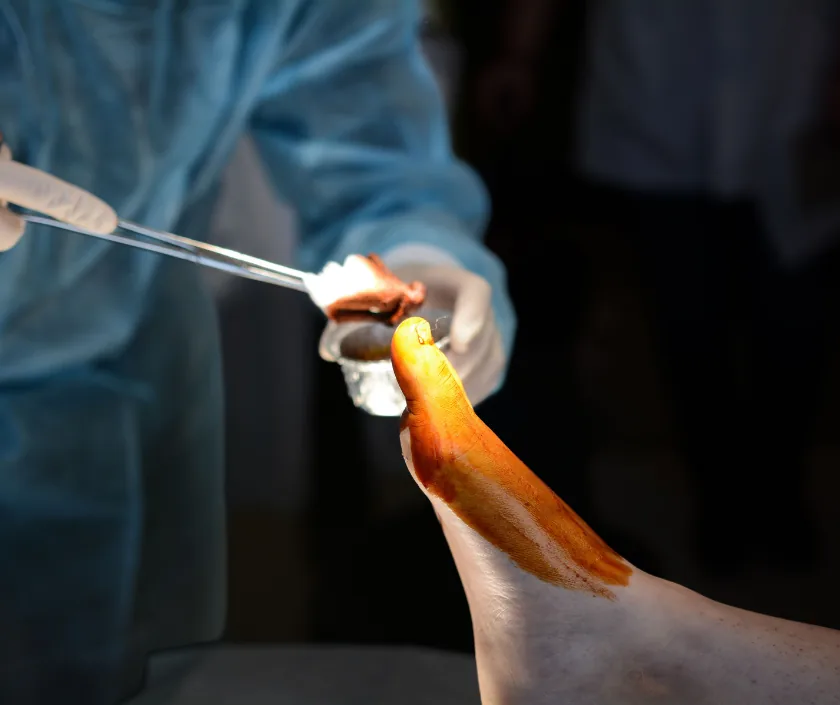
The Charles procedure removes skin and the underlying fibrous fatty tissue from a severely swollen leg, down to the deep covering layer of muscle, and resurfaces the area with split thickness skin grafts. It is reserved for the most advanced limbs where skin is ulcerated or badly diseased. Recovery is long, scarring is extensive and compression continues afterwards.
In the most advanced lymphedema, a leg may be enormous, hard as wood in places, with thickened warty skin, weeping areas and repeated infections. Compression cannot reduce tissue of that kind, and gentler operations depend on skin and tissue that are healthier than what remains. The Charles procedure was devised for exactly this situation. Skin and the fibrous fatty layer beneath it are removed around the circumference of the affected part, down to the tough covering over the muscles, and the raw surface is then covered with thin skin grafts.
Bulk is reduced dramatically, and that is the appeal. The price is equally clear. Grafted skin looks and behaves differently from normal skin, the leg is left with extensive scarring, and healing takes months rather than weeks. Grafts can fail in patches, wounds can break down and the new surface can remain fragile.
For all these reasons the operation is considered late in the discussion, after therapy, drainage procedures and less destructive reduction surgery have been weighed. When a limb is genuinely at that point, however, it can restore the ability to walk, wear clothing and live with less infection.
This operation is offered to a small group of patients with the most advanced disease, and only after less destructive options have genuinely been considered and set aside.
Staging, skin assessment, infection control and general fitness are reviewed. Photographs and measurements record the starting point, and the appearance to expect afterwards is discussed in detail.
How much of the limb needs treating is decided, and surgery is sometimes staged rather than done in one sitting. Blood loss is planned for in advance.
Skin and the underlying fibrous fatty layer are removed down to the deep covering of the muscles. This is the step that reduces the bulk so dramatically.
Thin skin grafts, often taken from the removed skin itself or from a donor area, are laid over the raw surface and held in place with dressings that keep them still.
Dressings are changed under supervision, grafts are inspected as they take, and compression is introduced once the surface has healed sufficiently.
You remain in hospital with the limb elevated and dressings undisturbed. Pain relief, fluids and monitoring for blood loss are the priorities.
Dressings are changed and grafts are inspected. Some patches may need further attention, and the hospital stay is often prolonged during this phase.
Grafted areas continue maturing. Standing and walking are built up gradually, and compression begins once the surface tolerates it.
Scars soften slowly over a year or more. Skin care and compression become a lifelong routine, with reviews to check for breakdown.
Size reduction is substantial, and for some patients the change in mobility is life altering. Appearance, however, is honestly not good. The leg is covered in grafted skin with visible scarring and an irregular surface, and it never resembles the other side. Grafted skin stays fragile and can break down years later. Compression and daily skin care continue for life.
This operation carries the highest burden of complications among lymphedema procedures, and those difficulties should be weighed carefully against what it offers.
Grafted skin needs looking after for the rest of your life, and these habits protect a result that took months to achieve.
It is reserved for the most advanced limbs with diseased skin. Most patients are better served by therapy, drainage surgery or reduction operations that preserve skin.
Grafted skin has a different texture and colour, and scarring is extensive. Function improves considerably, but appearance remains visibly altered.
Drainage is not restored by removing tissue. Compression and skin care continue afterwards, and stopping them invites swelling and skin breakdown.
Healing is measured in months. Hospital stay is often prolonged, and grafts need careful supervision before ordinary activity resumes.
At Elegance Clinic in Surat this operation is discussed only when the limb genuinely warrants it. Dr. Ashutosh Shah explains the appearance, the long recovery and the alternatives before any decision is made.

Cost here is driven by a long operation, potential transfusion, an extended hospital stay and repeated dressing changes over weeks. Skin grafting adds theatre time and further dressing requirements, and compression garments follow once the surface has healed.
Because the length of stay varies so widely between patients, a written estimate is prepared after assessment and before admission. It sets out surgery, expected stay and dressing costs, so families can plan for a treatment measured in months.
These are the questions that come up most often in consultation. If yours is not here, send it on WhatsApp and the team will reply, usually the same day.
Ask your question →It depends on theatre time, whether transfusion is needed, how long the hospital stay lasts and how many dressing changes and graft procedures follow. A written estimate is prepared after assessment and before admission, covering surgery, expected stay and dressings.
It carries the heaviest complication burden of the lymphedema operations. Blood loss, graft failure, infection and wound breakdown are all recognised. Fitness is assessed carefully beforehand, and the operation is sometimes staged to reduce the load of a single procedure.
Healing is measured in months rather than weeks. Hospital stay is often prolonged while grafts settle, and walking is built up gradually afterwards. Scars continue softening over a year or more, and compression begins once the surface tolerates it.
Considerably smaller, but visibly altered. Grafted skin differs in colour and texture, scarring is extensive and the surface is irregular. Patients who accept this in advance are usually satisfied with the gain in function rather than in appearance.
Because gentler options serve most limbs better. Therapy, drainage procedures and reduction surgery that preserves skin all come first. This procedure is reserved for limbs where the skin itself is ulcerated, warty or beyond saving.
Yes. Removing tissue reduces bulk without repairing lymphatic drainage, so the limb still tends to swell. Garments and daily skin care continue for life, and grafted skin in particular needs regular moisturising and protection.
Take time over it. Assessment, photographs and a frank discussion of appearance, healing and alternatives come first, and a second consultation is often sensible. This is not a decision to make in a single visit.
Each technique below has its own page explaining how it works and when it is chosen.
Seeing patients from across the city and beyond: read about the practice on the plastic surgeon in Surat page, or check what a written estimate covers on the costs and insurance page.
