Vascularized lymph node transfer moves a small group of healthy lymph nodes, together with their own artery and vein, into a limb that has lost its drainage. Once the blood supply is reconnected, those nodes can begin working in their new home.
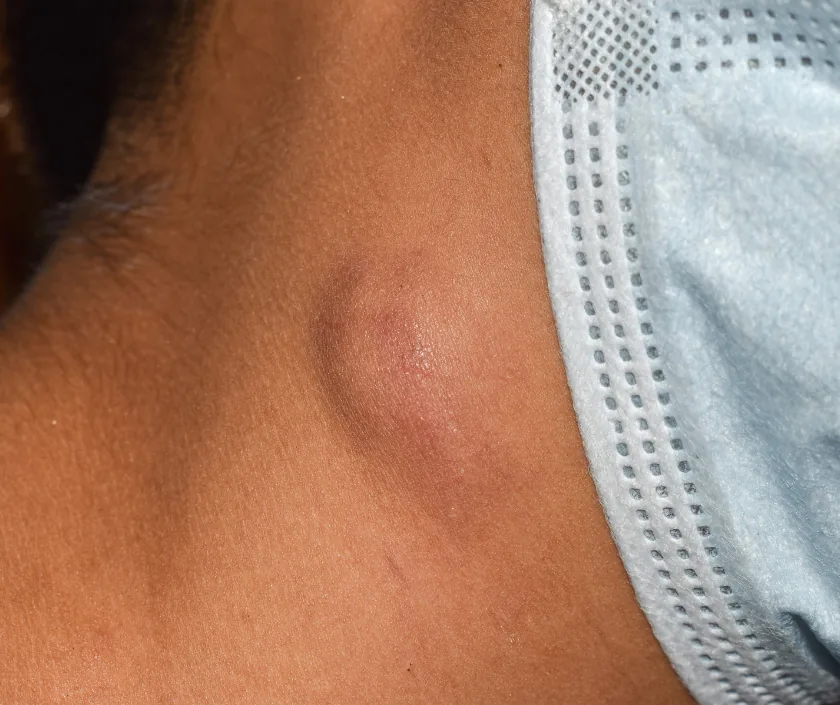
Vascularized lymph node transfer, shortened to VLNT, is microsurgery that takes lymph nodes with their blood vessels from a donor area such as the groin, neck or abdomen and transplants them into the affected limb. It suits earlier lymphedema where fluid predominates. Compression therapy continues afterwards, since transferred nodes supplement drainage rather than replace the whole system.
Lymph nodes act as junction points in the drainage network, and when they are removed or scarred the limb below loses its route back to the circulation. Vascularized lymph node transfer answers that by moving working nodes into the affected area. Because they arrive with their own artery and vein, which are stitched to vessels in the limb under a microscope, the nodes stay alive rather than being absorbed.
Two effects are described. Transferred nodes appear to act as a pump, taking up fluid and passing it into the veins that supply them. Over time they may also encourage new lymph channels to grow into the surrounding tissue. Both processes are slow, which is why the limb is measured over months rather than judged in the first weeks.
Donor site selection matters greatly. Nodes may be taken from the groin, the neck, inside the abdomen or from around the chest, and imaging is used beforehand to identify nodes that can be spared. The aim is to gain drainage in one limb without creating a problem in another, and that concern shapes much of the planning.
This is major microsurgery, so patient selection is careful. Both the stage of the limb and general fitness for a long operation are weighed before it is offered.
Staging, measurement and lymphatic imaging establish whether fluid still predominates. Imaging of possible donor areas helps identify nodes that can be taken with least risk to that region.
Nodes may come from the groin, the neck, the abdomen or the chest wall. Choice depends on your anatomy, previous surgery and whether other reconstruction is planned at the same time.
Scar tissue in the armpit or groin is released so the transferred tissue has a healthy bed, and suitable artery and vein are identified for the connections.
The node containing tissue is lifted with its vessels and moved. Artery and vein are then stitched under the microscope, and blood flow through the flap is confirmed before closing.
The flap is watched closely in the first days. Compression and therapy are reintroduced in a planned way once the surgical team is satisfied with healing.
You remain in hospital while the flap is monitored. Both wounds are sore, movement is limited at first and the limb is kept elevated.
Wounds are reviewed and drains, if used, are removed as output settles. Gentle movement begins, guided by the team rather than by how you feel.
Most patients are back to light routine work. Compression is in full use again and measurements are compared with the baseline recorded before surgery.
This is when genuine change tends to show. Reviews continue over a year or more, since drainage improves slowly and gradually.
Change here is measured in months, not weeks. Many patients notice a limb that feels lighter and holds its size more easily with compression, and some achieve a clear reduction in volume. Others improve only modestly. Nobody should expect the limb to return to normal or the garment to be discarded. Limbs already thickened with fat respond least, which is why selection matters so much.
This is the most demanding of the microsurgical options for lymphedema, and the risks include problems at the donor site as well as the treated limb.
Recovery from tissue transfer takes longer than from smaller operations, and the routine below protects both sites.
A small group of transferred nodes supplements drainage in one area. The wider network remains abnormal, so compression and skin care continue.
Improvement develops over many months. Early weeks are about wound healing and flap survival rather than limb size.
Donor site swelling is uncommon but real, which is precisely why imaging and careful selection are used before nodes are taken.
Fluid predominant limbs benefit most. Firm limbs loaded with fat usually do better with operations that remove tissue.
Elegance Clinic in Surat discusses lymph node transfer only when the limb and the patient both suit it. Dr. Ashutosh Shah sets out the demands of the operation and the slow timescale of improvement before anything is booked.

Cost reflects a long operation under general anaesthesia, microsurgical equipment, the donor site procedure, imaging beforehand, hospital stay and monitoring of the flap afterwards. Compression garments and therapy during the following year sit outside the surgical figure and belong in your planning.
Insurance cover depends on your policy and on the underlying cause of the lymphedema, so it is assessed case by case. A written estimate is issued before admission, and the team can guide you on documentation insurers commonly request.
These are the questions that come up most often in consultation. If yours is not here, send it on WhatsApp and the team will reply, usually the same day.
Ask your question →The band is Rs 1.2L to Rs 2.6L, and the position within it depends on the donor site used, theatre time, length of stay and whether other reconstruction is combined. Imaging and garments are separate. A written estimate is issued before admission.
It is major microsurgery under general anaesthesia, so the risks are greater than for smaller procedures. Flap failure, wound problems and swelling at the donor site are the main concerns. Fitness is assessed thoroughly and the flap is monitored closely afterwards.
Expect a hospital stay of a few days while the flap is monitored, then several weeks before returning to routine activity. Light desk work often resumes earlier than physical work. Your team gives timings based on how healing progresses.
Improvement is gradual over many months and varies between patients. Many report a softer limb that holds its size more easily with compression, and some see a clear volume reduction. Firm, fatty limbs improve least, which is why selection is careful.
Yes. Transferred nodes add drainage capacity in one area but do not restore the whole lymphatic system. Most patients continue compression, sometimes at a lighter level, and stopping it usually allows the swelling to return over time.
It is an uncommon complication, but it is real and it is discussed openly before surgery. Imaging is used to identify nodes that can be spared, and the donor limb is watched during follow up as carefully as the treated one.
Advanced limbs heavy with fat and fibrous tissue usually do better with reduction surgery. Active infection, an open wound, uncontrolled diabetes and continued smoking all need addressing first, since fine vessel joins depend on good healing.
Each technique below has its own page explaining how it works and when it is chosen.
Seeing patients from across the city and beyond: read about the practice on the plastic surgeon in Surat page, or check what a written estimate covers on the costs and insurance page.
