When a cut nerve has no path to follow, its fibres coil into a tender lump called a neuroma. Touching that spot can send an electric jolt through the hand, long after the original wound has healed.
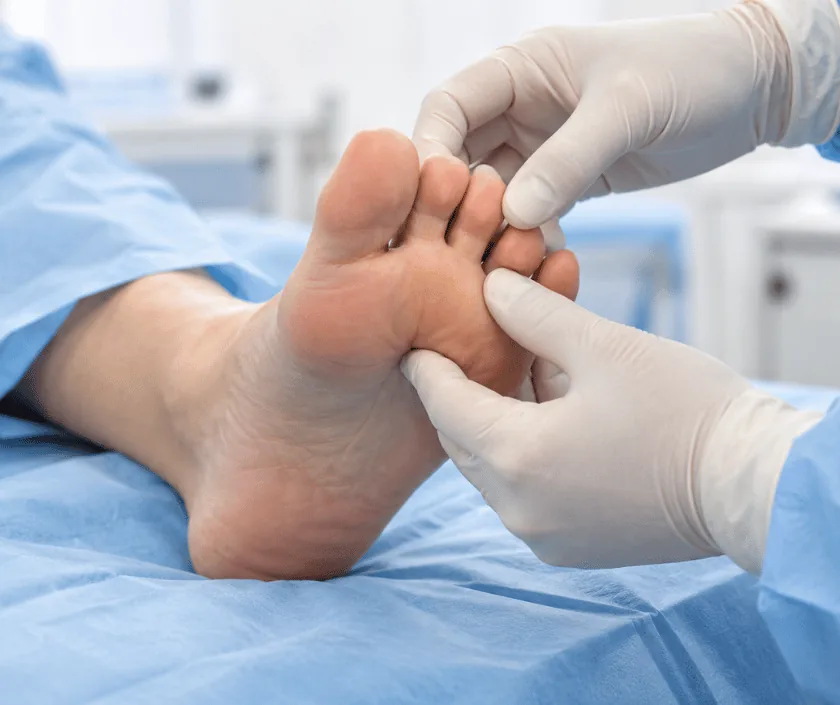
A neuroma is a small knot of nerve fibres that forms where a nerve was cut or injured and could not reach its target. It sits in scar tissue and gives sharp, electric pain when knocked. Surgery removes or relocates the sensitive end, moving it into muscle or bone where daily contact will not disturb it.
Nerves try to heal. When one is divided, the fibres above the cut begin growing forward almost immediately, searching for the tube that once guided them. Should that tube be missing, filled with scar or simply too far away, the fibres coil back on themselves and knot together into a firm little swelling.
That knot is exposed and unprotected. Every fibre inside it is still wired to report sensation, so pressure that would be harmless anywhere else is read as a sharp electric shock. Patients often locate the spot precisely with one fingertip and learn to avoid it, changing how they hold tools, shake hands or carry bags.
Cutting the lump out is rarely enough on its own, because a new one tends to form at the fresh cut end. Modern treatment therefore focuses on where the nerve end is placed afterwards. Tucking it deep into muscle or bone, away from moving surfaces and pressure points, gives a far better chance of lasting relief.
Surgery suits people whose pain can be traced to one identifiable nerve end and who have not improved with therapy, desensitisation and medication.
The tender spot is mapped precisely and matched against the known path of the nerve. A test injection of local anaesthetic often confirms that this nerve is truly the source.
A block numbs the limb, with sedation offered. The old scar is opened and the nerve traced from healthy tissue towards the swelling so nothing is cut blindly.
Scar tissue is separated from the nerve under magnification. Sometimes freeing a trapped but otherwise healthy nerve is enough, and no further step is needed.
If the neuroma must go, it is cut back to healthy nerve. That new end is then buried in muscle or within bone, away from pressure and moving surfaces.
The wound is closed and a soft dressing applied. Desensitisation exercises begin once healing allows, teaching the area to tolerate touch again.
The limb is kept raised and rested. Some ache at the operated site is normal and settles with the medication you are given.
Sutures are checked and dressings changed. Gentle movement starts, and shooting pain often reduces even before the wound has fully settled.
Most people are back to light daily activity. Desensitisation work continues, gradually building tolerance to touch, texture and pressure.
Symptoms usually settle further over this period. Some tenderness may persist at the site, and nerve pain medication is often reduced slowly.
Many patients get worthwhile relief, especially when one nerve end is clearly responsible and the new position is well protected. Complete freedom from sensitivity is not the usual outcome, and a degree of tenderness at the site often remains. Pain present for years may take time to quieten, since the nervous system itself adapts slowly. Some people need continued medication or therapy alongside the operation.
Neuroma surgery is generally straightforward, though its results are less certain than most hand operations, and that should be clear before you decide.
Desensitisation is the part patients most often underestimate, yet it does much of the work after this operation.
It is not. A neuroma is scar and nerve fibre growing together after injury, and it does not spread or turn cancerous.
Removing it alone often leads to another forming. Where the new nerve end is placed matters more than the removal itself.
Numbness and pain come from different fibres, so a patch of skin can feel dead while its nerve end remains fiercely sensitive.
Even symptoms of many years standing can improve with the right combination of surgery, desensitisation and medication.
Painful nerve scars are assessed carefully at Elegance Clinic in Surat, because identifying the exact nerve involved matters more than the size of the operation.

Cost for neuroma surgery depends on which nerve is involved, whether the end simply needs freeing or must be relocated into muscle or bone, and how long the operation takes. Imaging or a diagnostic injection beforehand may add to the total, as does the desensitisation therapy that follows. A written estimate is prepared after your assessment, covering surgery, anaesthesia, day care charges and planned reviews. Where the original injury happened at work, employer or insurance cover may apply.
These are the questions that come up most often in consultation. If yours is not here, send it on WhatsApp and the team will reply, usually the same day.
Ask your question →Charges reflect which nerve is treated, whether the end is freed or relocated into muscle or bone, and the theatre time involved. Diagnostic injections and therapy afterwards also count. You receive a written estimate once assessment is complete.
It is a small, controlled procedure usually done under a block with the limb numb. Infection, a wider area of numbness and the chance of a new neuroma forming are the main concerns, and all are explained beforehand.
The wound settles within a couple of weeks and light activity resumes soon after. Nerve pain often eases early, then continues to improve for months as desensitisation therapy retrains the area to accept touch.
Considerable relief is common, yet complete freedom from sensitivity is not the usual result. Some tenderness at the site often remains. Pain of many years standing can take time to quieten, because the nervous system adapts slowly.
Many are managed first with desensitisation therapy, padding, activity change and nerve pain medication. Surgery is considered when those measures have been tried properly and symptoms still prevent work, sleep or normal use of the hand.
Usually after several months of consistent treatment by other means without adequate relief. There is no rush, since a neuroma is not dangerous, so the decision rests on how much the pain limits daily life.
The painful point is located precisely and matched to the course of a nerve, and old scars are examined. A local anaesthetic test may be offered. Treatment options and a written estimate are then discussed with you.
Seeing patients from across the city and beyond: read about the practice on the plastic surgeon in Surat page, or check what a written estimate covers on the costs and insurance page.
