After a cancer is removed there is a gap to deal with, and there is almost always more than one way to deal with it. Surgeons think of the choices as a ladder. At the bottom sit the simplest methods, such as letting a shallow wound heal or stitching the edges together. Higher up come grafts, then flaps of nearby tissue, then tissue moved from a distant part of the body and reconnected under a microscope.
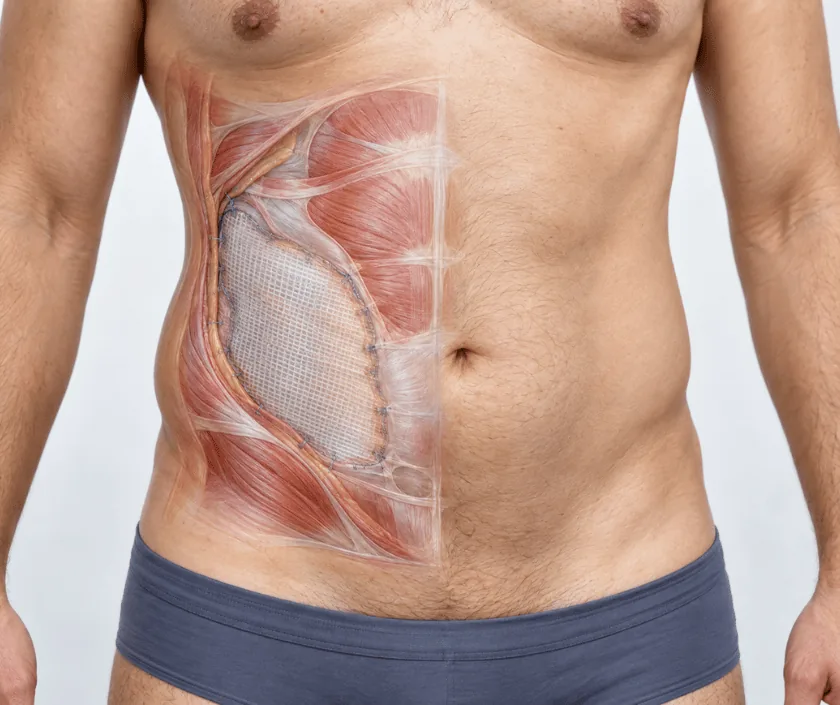
Climbing the ladder is not a sign of better surgery. The rung that is chosen is the lowest one that will give a durable, well covered result at that site. A simpler method usually means a shorter operation, a quicker recovery and no second wound elsewhere. Complex options exist because some gaps genuinely need them, not because they are superior in themselves. Knowing where your own plan sits on that ladder makes the discussion with your surgeon far easier.
Options are listed in order of complexity. The simplest method that will cover the wound properly is usually the one preferred.
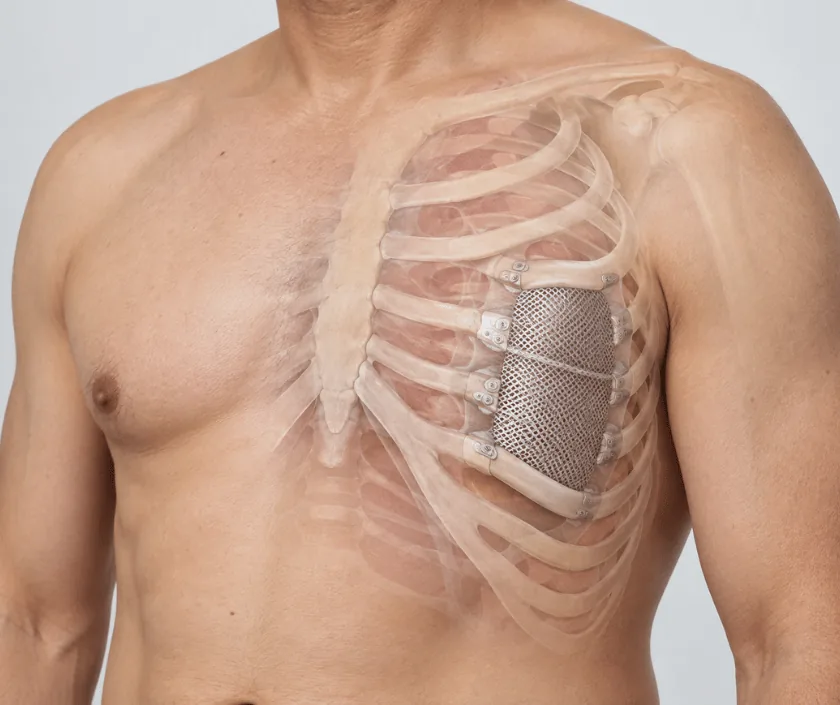
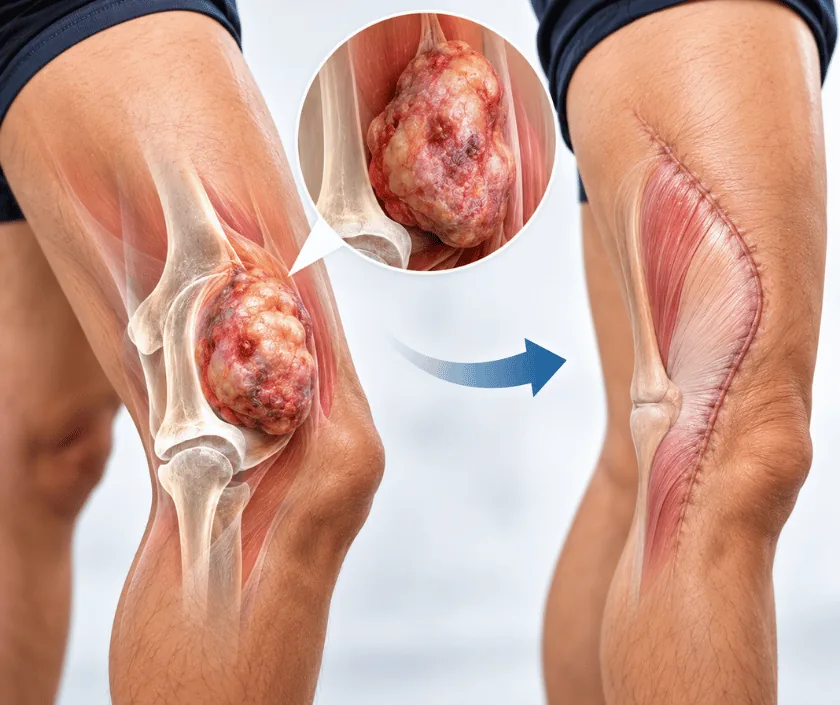
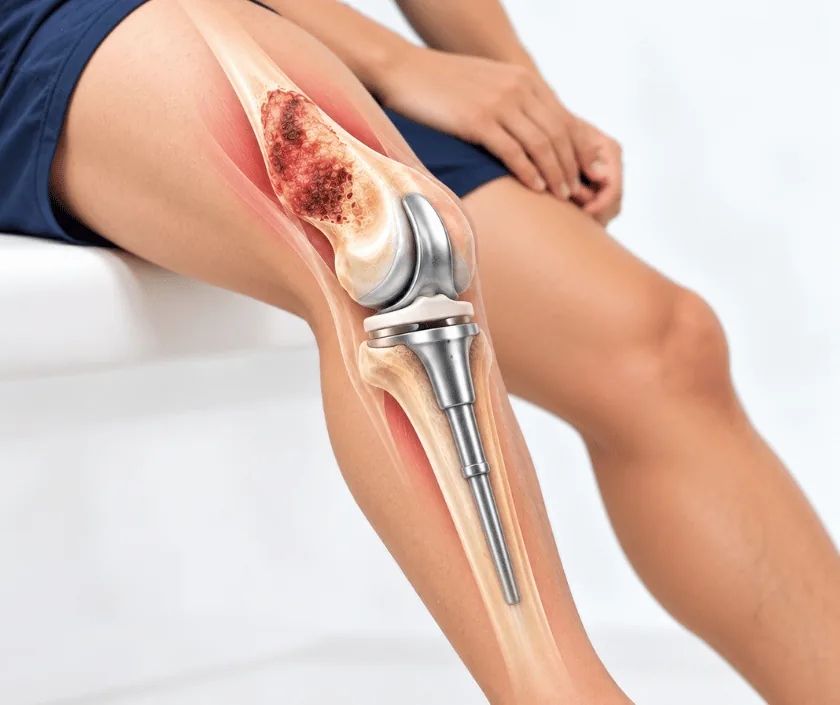
Reconstruction at the same sitting as removal keeps tissue planes clean and shortens the whole journey. Delay makes sense when margins are uncertain, when a patient is unfit for a long operation, or when the shape of further cancer treatment is not yet settled.
Irradiated skin heals slowly and tolerates grafts poorly. Where radiotherapy is planned or has already been given, surgeons often choose tissue with its own robust blood supply rather than a graft, so that the cover survives what comes next.
Every flap and graft leaves a donor site that has to heal too. Stiffness, altered feeling and a visible scar are all possible there. Weighing that second wound against the gain at the cancer site is part of choosing the right option.
Early results often look bulky or uneven, and that is expected. Thinning a flap, adjusting a scar or adding a small graft is commonly done several months later, once swelling has gone and any radiotherapy has finished.
During recovery from cancer reconstruction, some findings should be reported the same day.
The questions below help patients weigh a simpler operation against a more involved one.
Ask your question →No. The right option is the simplest one that covers the wound durably and suits the site. A direct closure on the cheek can look better than an elaborate flap. Complexity is chosen when the gap demands it, not as a mark of quality.
Cost rises with theatre time, anaesthesia and length of stay, so direct closure sits lowest and microsurgery highest. Implants, dressings and any second stage add to the total. A written estimate for the plan agreed with you is provided beforehand.
Simpler methods generally carry less risk, because the operation is shorter and no distant tissue depends on a joined blood vessel. Even so, a graft laid on a poor base can fail while a well planned flap heals smoothly, so site matters as much as complexity.
Direct closure and small grafts often heal within a few weeks. Local flaps take a little longer. Free tissue transfer usually means a hospital stay of around a week or more, followed by months of gradual softening. Recovery can vary between patients.
Quite possibly. Many reconstructions are planned as a first stage that restores cover, followed later by refinement of shape, scar or bulk. Discussing that likely sequence at the start makes the journey easier to plan around work and family.
Sometimes, and there are good reasons to wait when margins or fitness are uncertain. Waiting is not always wise, because an open wound may delay chemotherapy or radiotherapy. The timing is decided jointly by the cancer team and the reconstructive surgeon.
Ask which rung of the ladder is being proposed and why, where the donor site will be, how many stages are expected, and what the result usually looks like at one year. Written information and photographs of similar cases help the discussion.
