Removing a cancer from the mouth, jaw or throat leaves a gap that will not close on its own. Reconstruction fills that gap so a person can swallow, speak and be seen in public without feeling marked out. Planning happens alongside the cancer operation itself, because the surgeon needs to know what will be missing before deciding how to rebuild it.

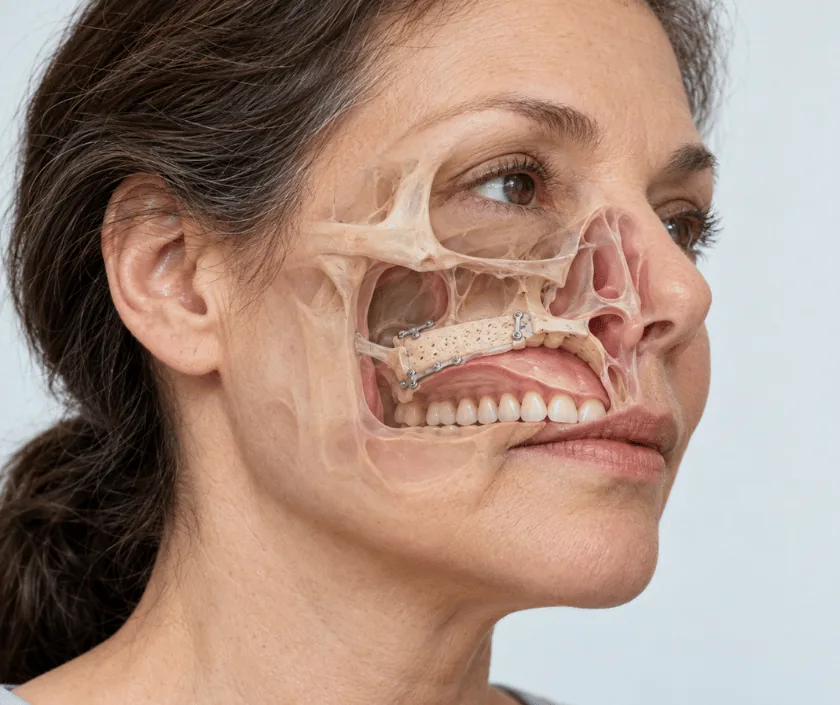
What is used depends on the site. A shallow area of cheek lining may need only a thin patch of skin, while a segment of jaw taken out with the tumour needs living bone brought from the leg with its blood vessels attached. Radiotherapy after surgery also shapes the plan, since irradiated tissue heals more slowly and tolerates a simple graft poorly. Rebuilding rarely ends with one operation. Speech and swallowing therapy usually run alongside the surgery for months, and dental work is often added once the tissues have settled.
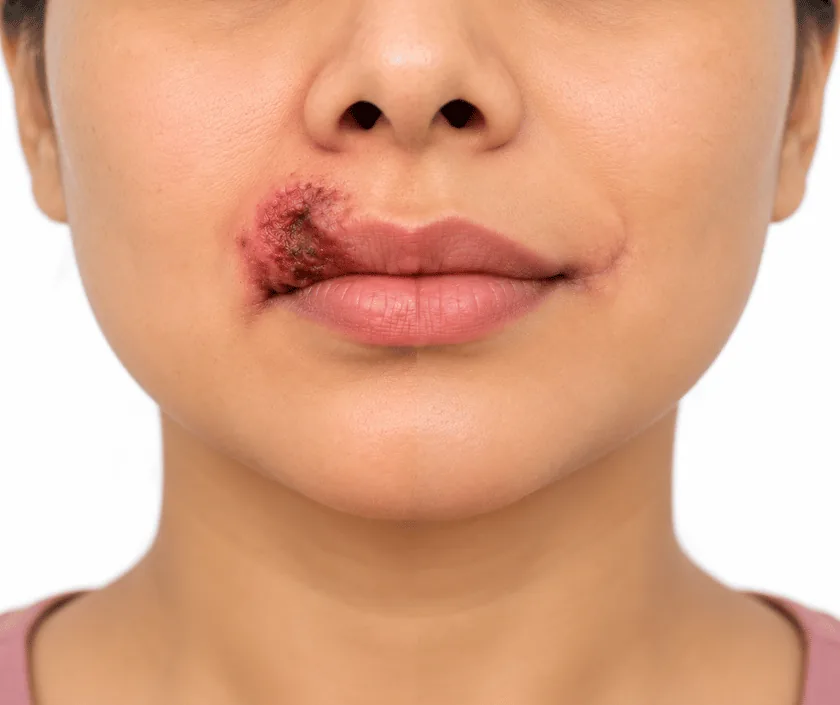
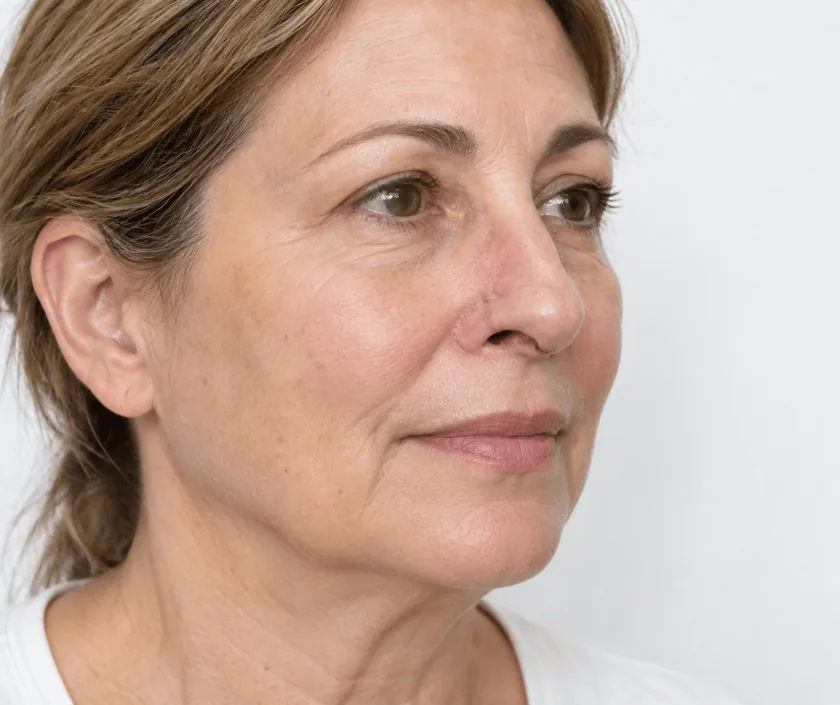
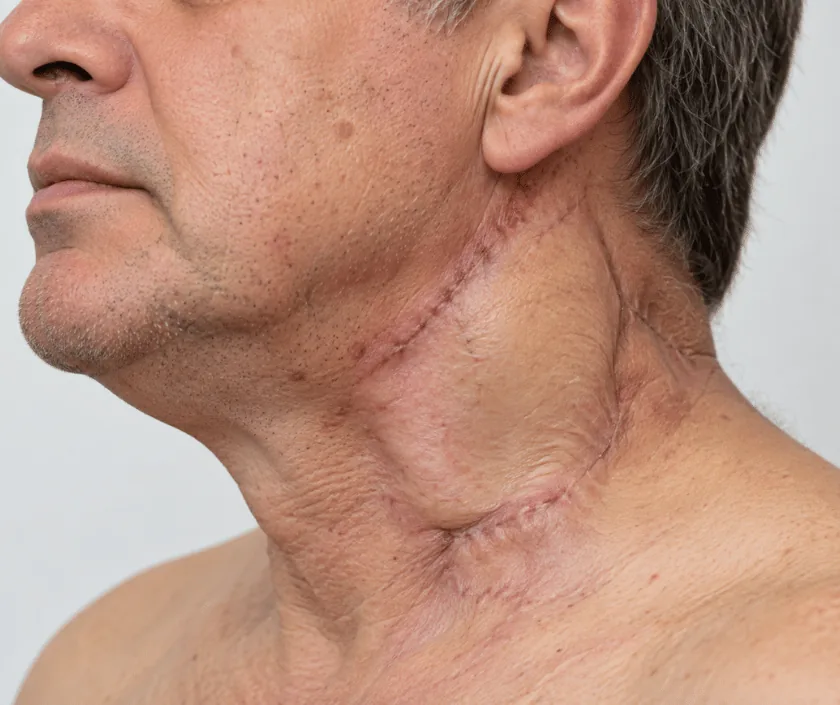
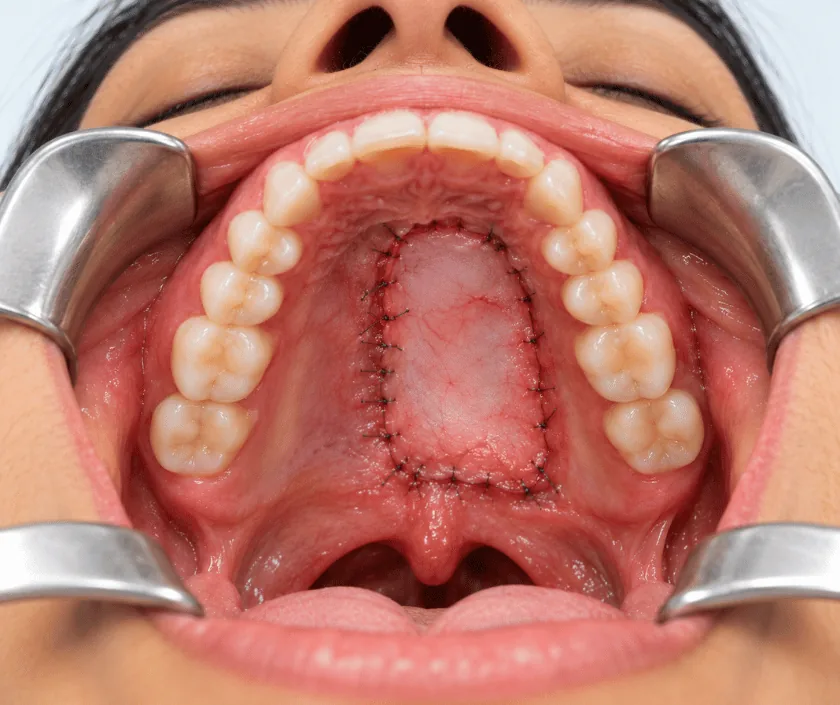
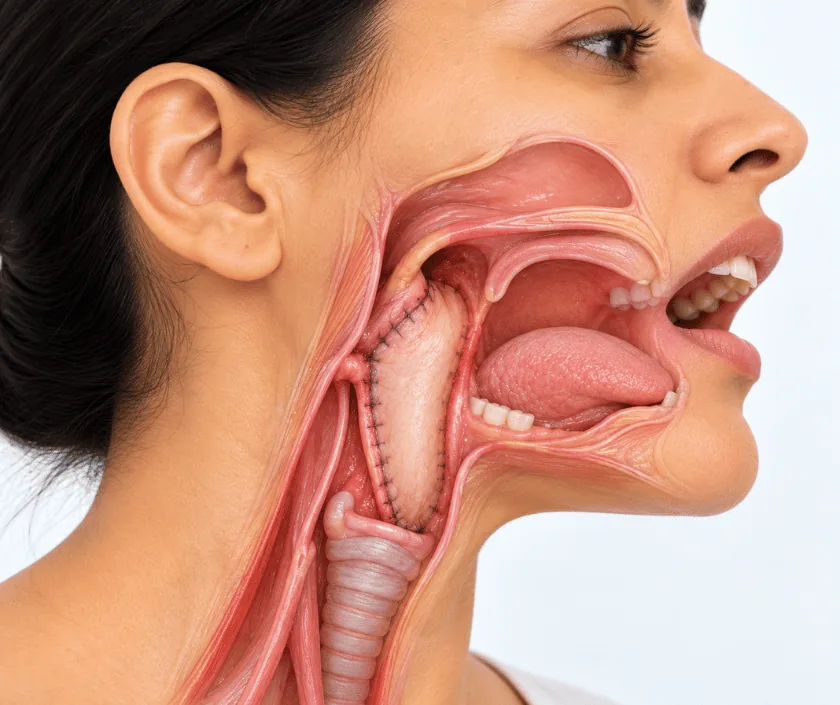
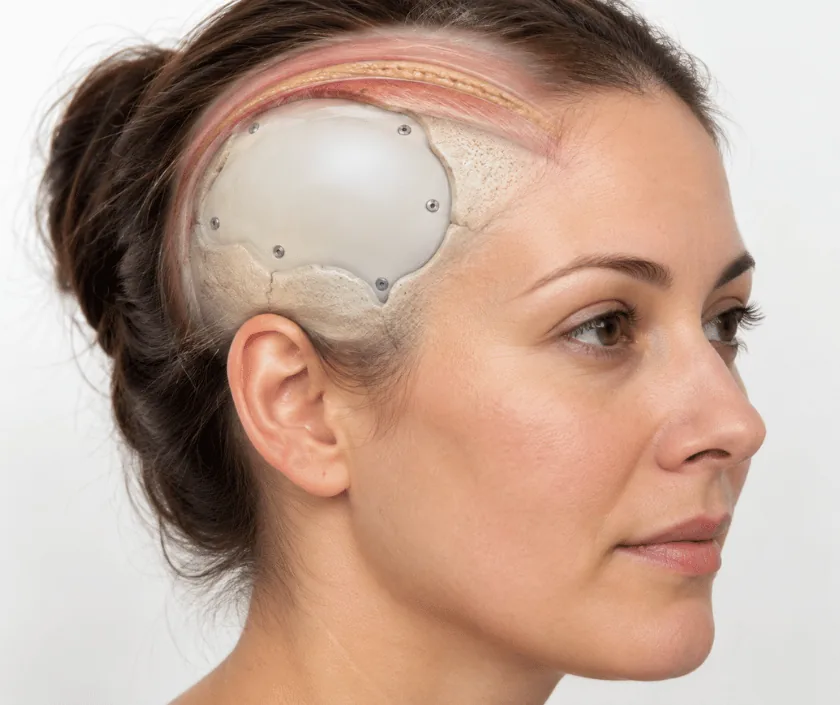
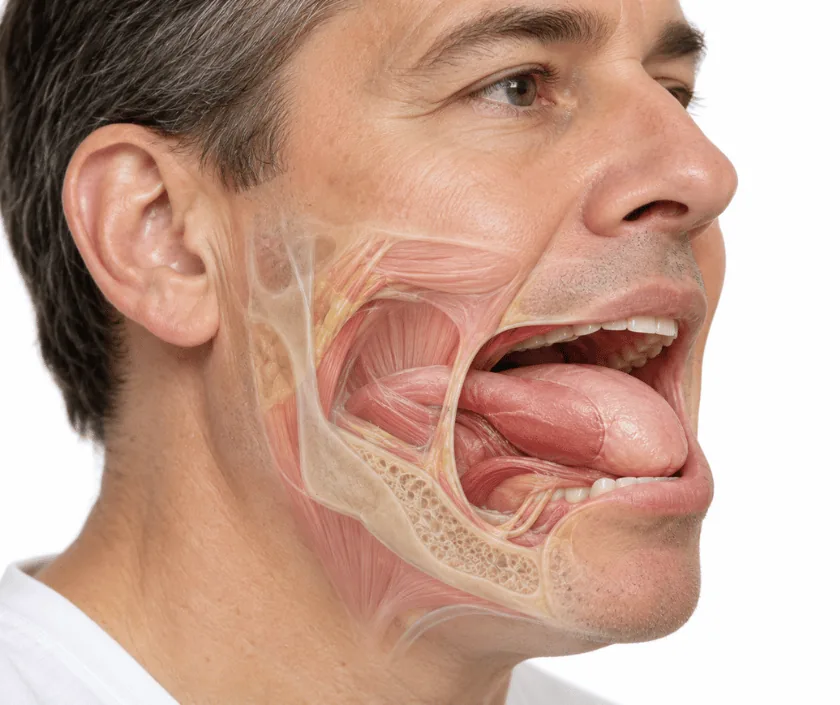
Surgeons group this work by which part has been removed, because each site places different demands on movement, bulk and skin colour.
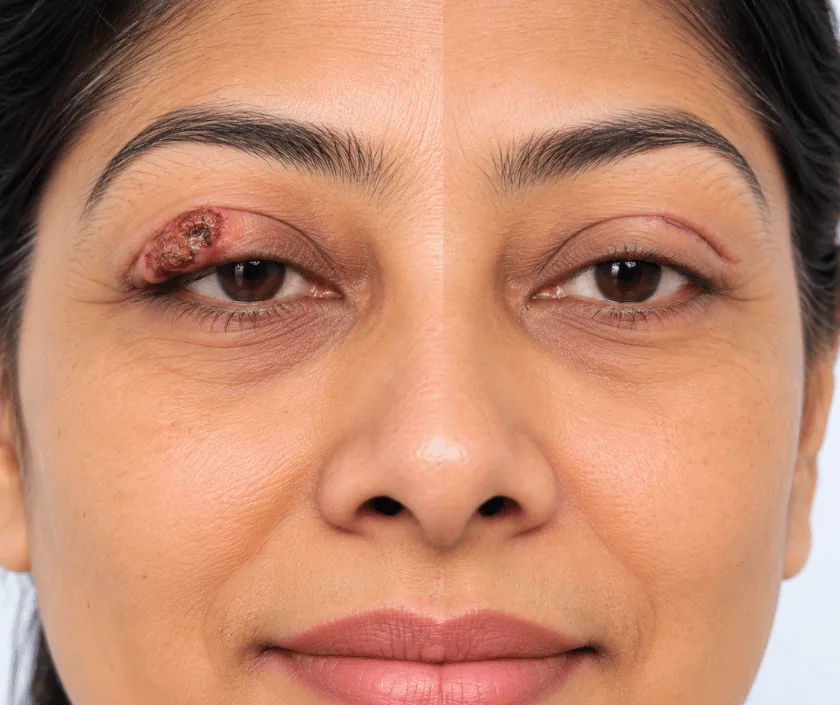
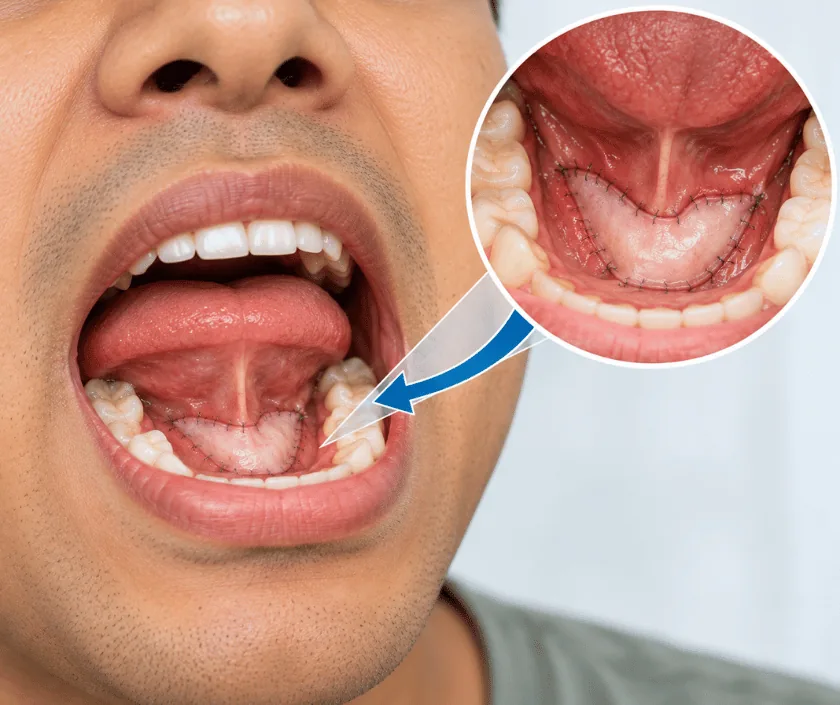
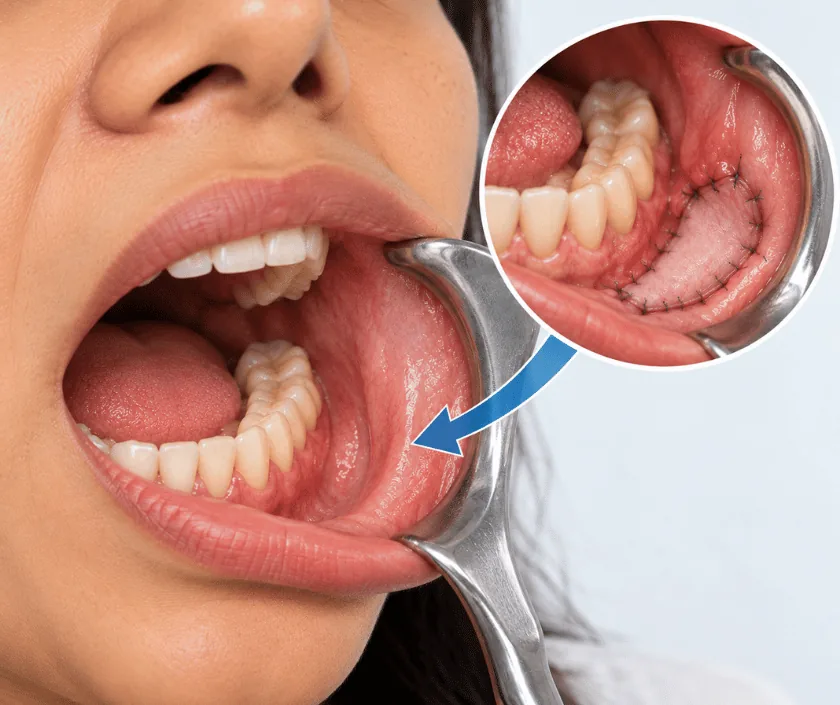
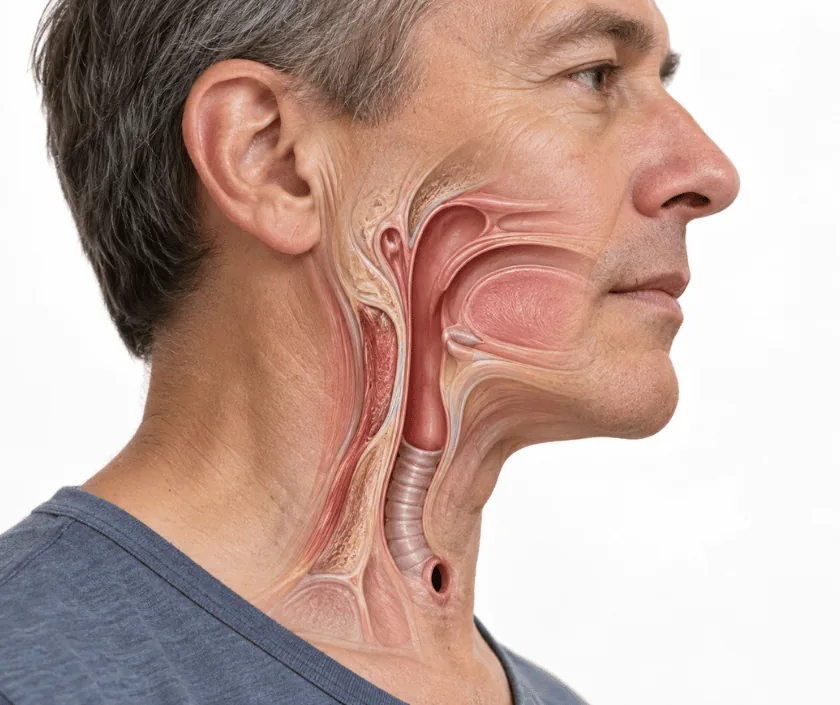
Teeth in poor condition are usually assessed and treated before radiotherapy begins, because extractions afterwards carry a higher risk of the jawbone failing to heal. A dental review early in the pathway saves trouble later and rarely delays cancer treatment by much.
Therapy is part of the treatment, not an optional extra. Exercises begin soon after healing and continue for months. Many patients regain a normal diet gradually, moving from liquids to soft food. Progress varies with how much tongue movement has been preserved.
Radiotherapy often reduces saliva, which makes food harder to move and raises the risk of tooth decay. Frequent sips, careful brushing and regular dental review help. Some dryness settles slowly over a year, though a degree of it may persist.
The arm, thigh or leg that gave the flap needs its own care. A skin graft covers the area, and stiffness or altered feeling is common early on. Physiotherapy restores movement, and the scar softens across many months.
Report the following without waiting for a scheduled appointment, whether you are days or years past surgery.
Families often ask these questions while a cancer operation is being planned.
Ask your question →The figure depends on which flap is used, how long theatre and intensive care are needed, and whether plates or dental work are added. Cancer treatment is covered by many insurance policies and by government schemes. A written estimate follows the planning discussion.
Age alone rarely rules someone out. Heart, lung and kidney function matter far more, and each is checked before a decision. Where a long operation carries too much risk, a simpler cover is chosen instead so that treatment can still go ahead safely.
Most people stay for around one to two weeks after a flap reconstruction, with the first days in a closely monitored bed. Feeding through a tube is usual at first. Discharge depends on wound healing and on swallowing being safe rather than on any fixed date.
Many patients return to a soft or normal diet and to speech that family and friends understand well. How close to normal depends on how much tongue, jaw or throat was removed. Therapy makes a real difference, and gains continue for a year or more.
Rebuilding at the same sitting is preferred, since tissue planes are clean and healing is better before radiotherapy starts. Delayed work is still possible and is sometimes the safer plan when the patient is unwell or when margins need checking first.
It should not. Radiotherapy usually begins around six weeks after surgery, and reconstruction is timed to allow that. Prompt healing keeps the schedule on track, which is one reason smoking and uncontrolled sugar levels are addressed before the operation.
The mouth, neck and teeth are examined, scans and biopsy reports are reviewed, and the likely gap after removal is discussed. Donor sites are explained and shown. You will hear the plan, the risks and the expected timeline before any date is fixed.
