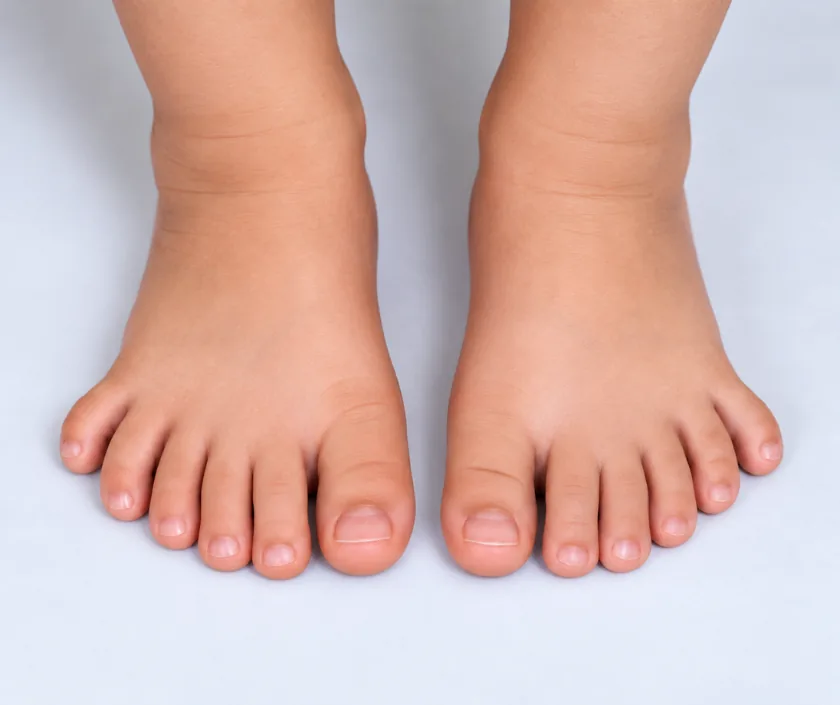
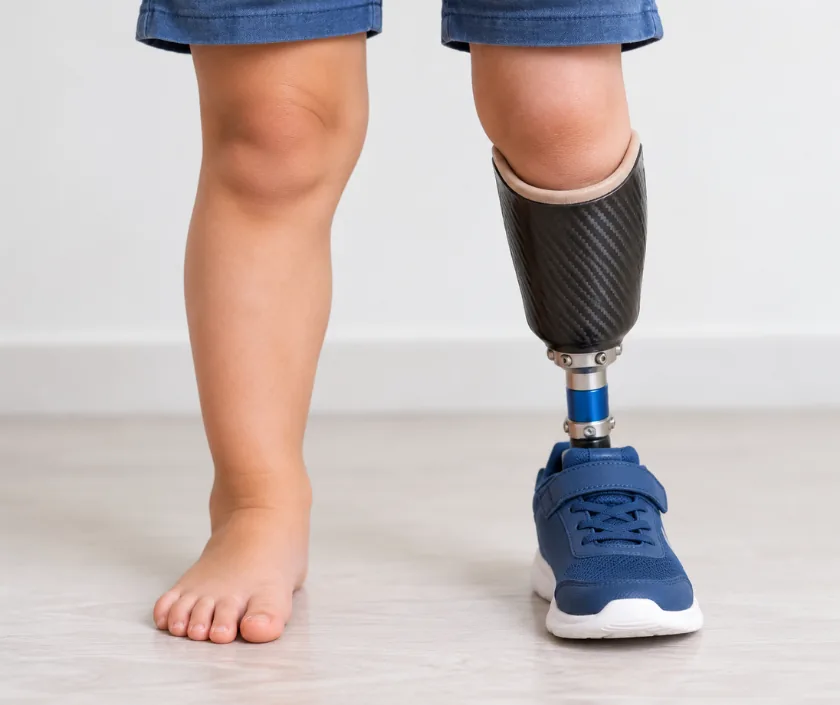
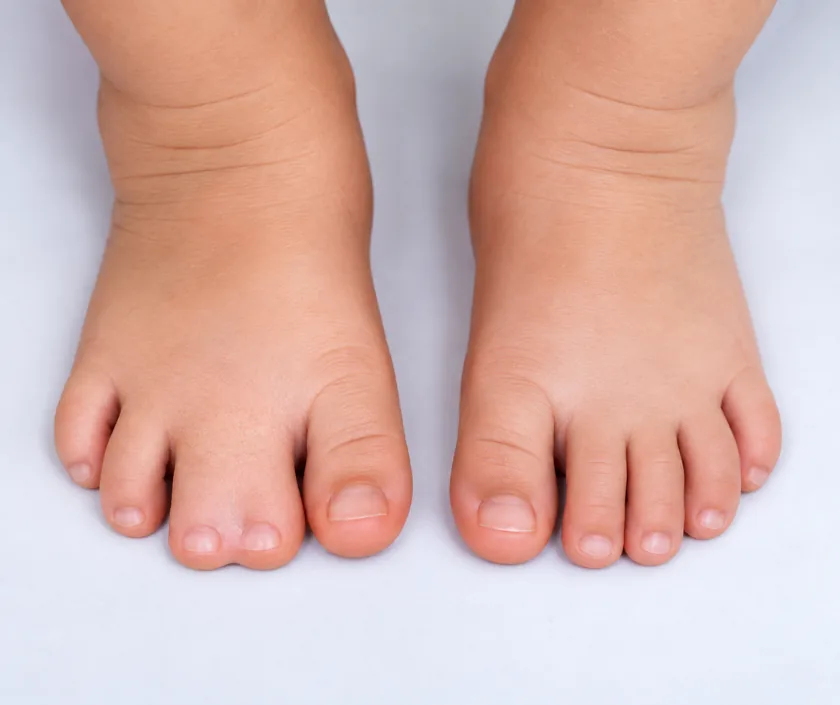
Differences in the leg and foot are present from birth in a small number of children. Some involve the toes, where digits are joined, extra or unusually large. Others involve missing tissue, tight bands that wrap around a limb, or a birthmark covering a wide area of skin. The bone may be shorter on one side, or the soft tissue cover may be thin over an area that has to take weight every day.
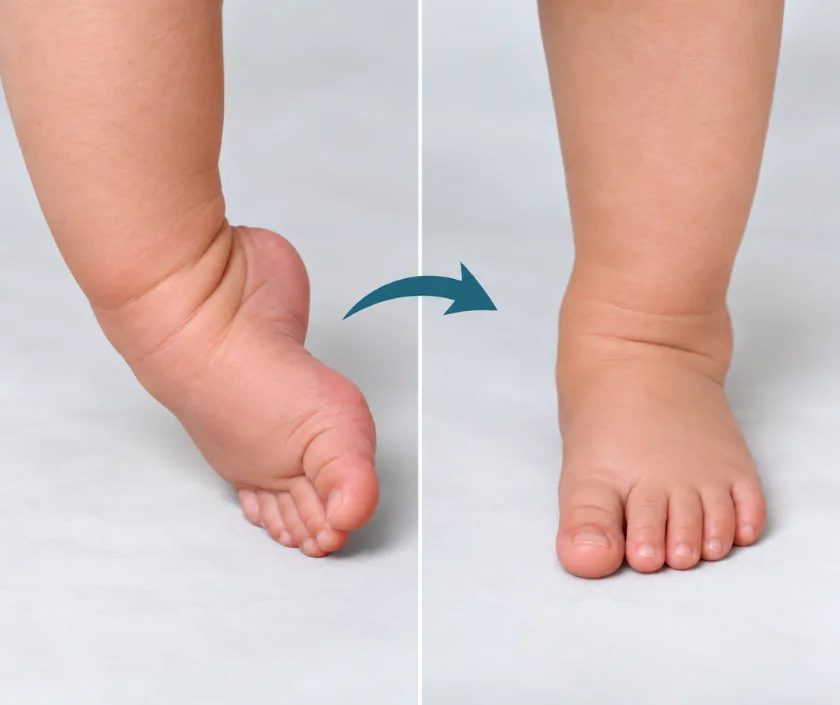
Plastic surgery in the lower limb has two aims that run together: a leg that works and a leg that looks and feels like the child's own. Care is shared with orthopaedic and physiotherapy colleagues, because walking, balance and shoe fitting matter as much as shape. Elegance Clinic in Surat reviews children early, then plans any surgery around growth and school terms. This page explains how the main groups differ, so you can see which one your child fits and what the next step usually looks like.
The leg carries weight, so grouping is based on what is missing or altered and how it affects standing and walking.
Movement matters more than appearance in the growing leg. Physiotherapy keeps joints supple, builds strength around a reconstructed area and retrains balance after surgery. Sessions are usually spread over months, and home exercises make far more difference than clinic visits alone.
A foot with joined toes, a wide forefoot or an uneven sole often needs made to measure shoes. An orthotist can add padding, raise a heel or spread pressure away from a fragile patch of skin. Good footwear sometimes delays or avoids surgery.
Skin brought from elsewhere does not always have normal sensation, so a child may not feel a rub starting. Daily skin checks, moisture control and gradual increases in walking help protect the area. Any breakdown should be reviewed rather than treated at home.
Children grow in bursts, and tissue moved early may need revising later. Some procedures are done before walking begins, others once the foot is nearly adult in size. Timing is discussed openly so families can plan school and travel around it.
Routine follow up suits most lower limb differences. These signs should be checked promptly.
Answers to what families most often want to know before a first appointment.
Ask your question →Charges depend on the procedure, the anaesthetic, hospital stay and how many stages are planned. Dressings, physiotherapy and orthotics add to the total. A written breakdown is provided after assessment so families can budget across the whole plan.
Modern paediatric anaesthesia is well established, and children are screened thoroughly beforehand. Risks include bleeding, infection, delayed healing, graft or flap loss and scar tightening as the child grows. Each risk is explained with how likely and how manageable it is.
It depends on the operation. A simple toe separation may need a few weeks in a protective dressing. Flap or graft reconstruction on a weight bearing area needs longer, with gradual return to standing and walking guided by the healing tissue.
Function usually improves more than appearance. Shoes fit better, skin tolerates pressure and walking becomes easier. Scars stay visible, and the two legs are unlikely to match exactly, so realistic photographs are shared before you decide.
No. Some differences cause no trouble and are best left alone, particularly when function is good. Suitability is judged on symptoms, growth, skin quality and blood supply, and on whether the family and child are ready for the recovery involved.
A limb that looks pale or dusky beyond a tight band, a spreading infection, or an open wound with fever needs same day attention. Most other congenital differences are planned calmly over months rather than treated as emergencies.
The leg is examined standing, sitting and walking. Photographs and measurements are taken, and scans may be arranged. Options, timing and likely number of stages are explained, and questions are welcome at any point during the appointment.