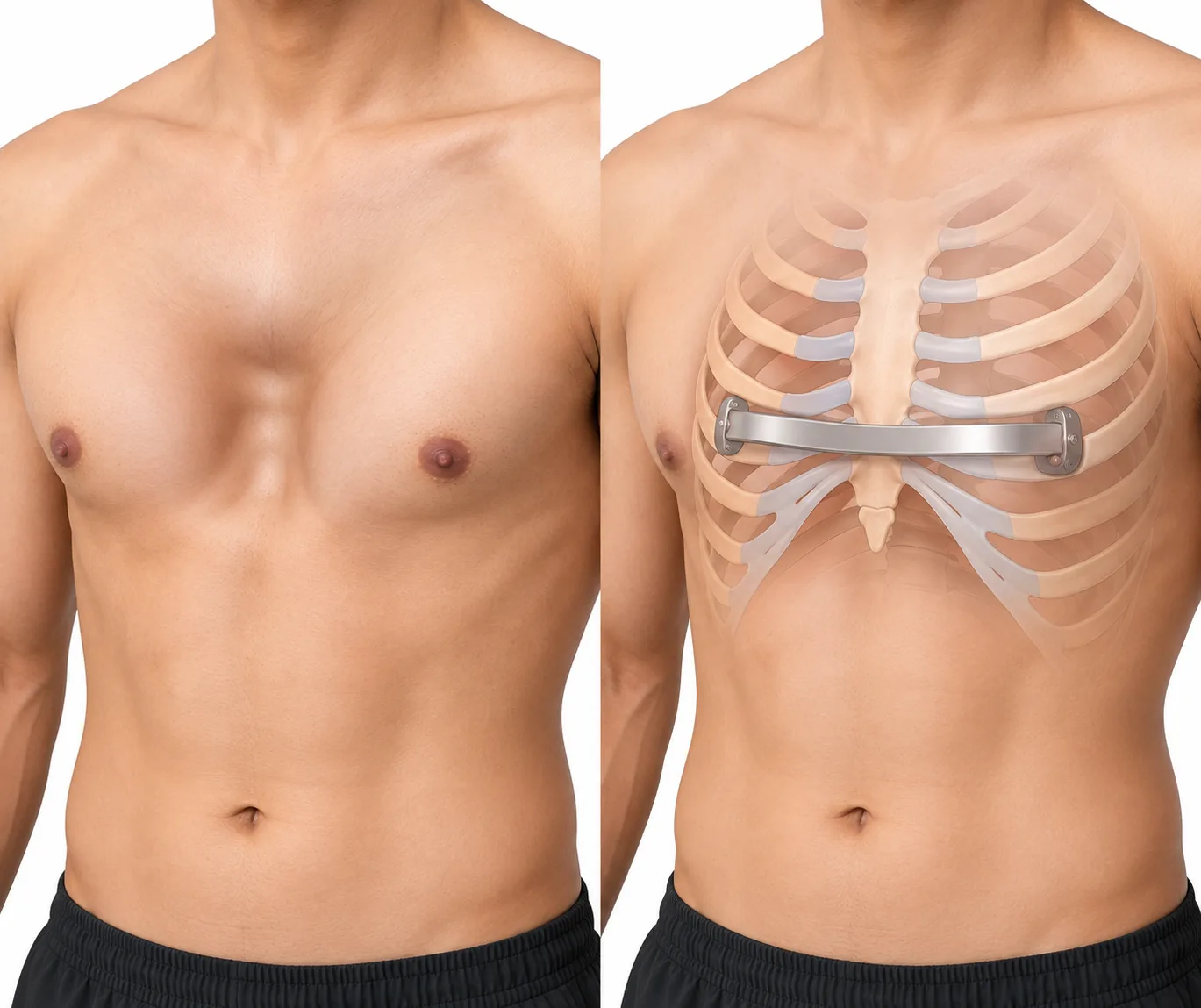
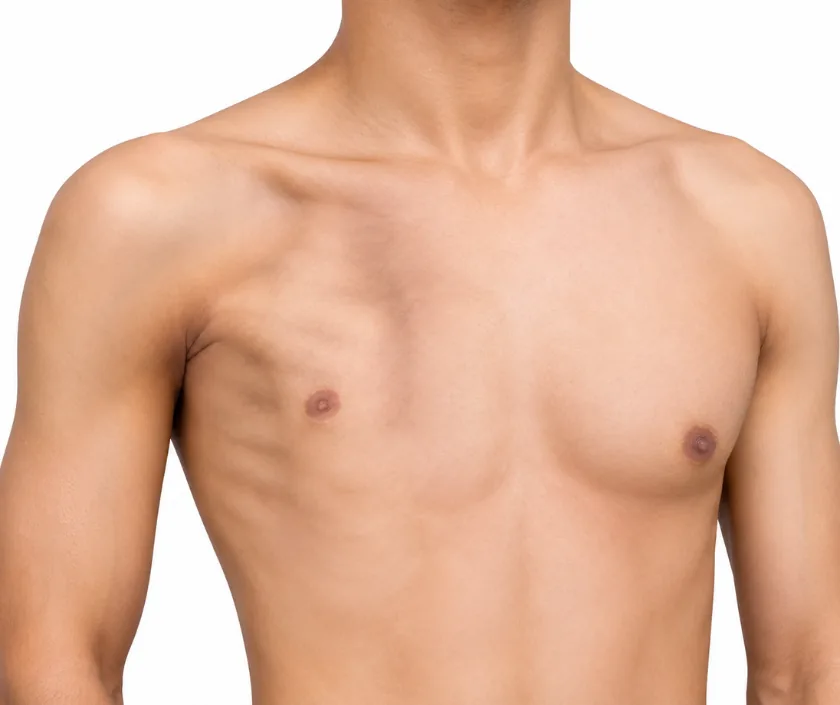
The chest wall can form differently before birth. Some children have a breastbone that sinks inwards, others have one that pushes forwards, and a few are born with muscle missing on one side of the chest. These differences are more common than most families expect, and they are usually noticed by parents rather than found on a scan. Many are mild and need only regular review. Others become more obvious during the teenage growth spurt, when the ribs lengthen quickly.
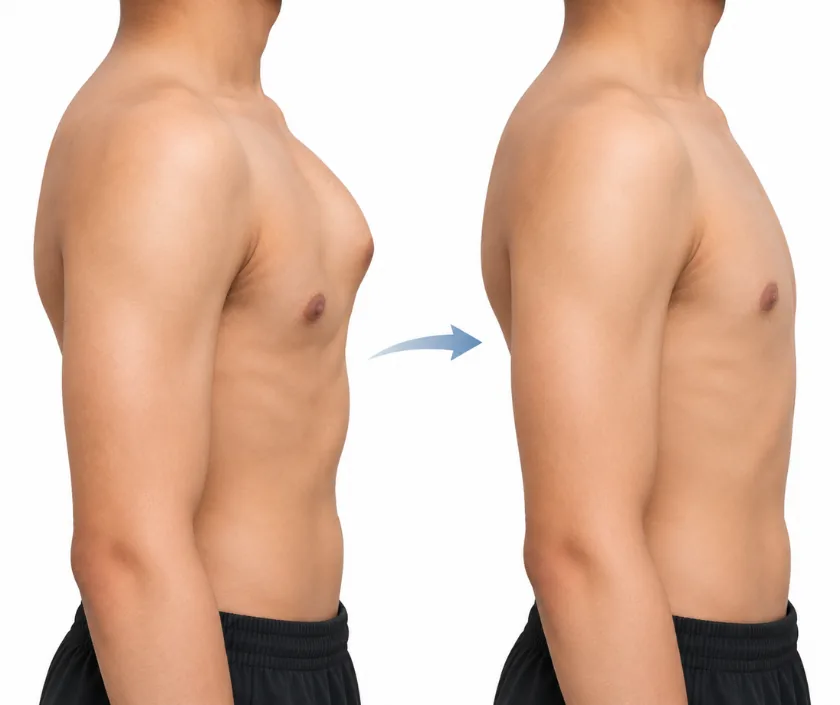
This page groups the main chest wall patterns so you can see where your own concern sits. Assessment at Elegance Clinic in Surat starts with a careful examination, photographs and, where needed, imaging to measure how deep or how raised the chest is. Breathing and heart function are checked when the hollow is significant. Treatment ranges from watching and waiting, through bracing while the chest is still soft, to surgery that lifts or reshapes the bony framework. What suits one person may not suit another, so the plan is built around age, growth and how much the shape affects daily life.
Chest wall problems can look similar from the outside but behave very differently. Knowing which pattern is present decides whether monitoring, bracing or surgery makes sense.
A deep hollow can press on the space the heart and lungs use. Some teenagers notice they tire faster than friends during sport. Simple tests of lung function and, when needed, an echocardiogram help show whether the shape is affecting how the chest works.
A carinatum brace works like a gentle clamp worn for set hours each day while the ribs are still flexible. It suits growing teenagers well. Progress is measured at review visits, and the brace is adjusted as the chest slowly flattens.
Many young people with a chest difference avoid swimming, changing rooms or fitted clothes. That matters, and it is a fair reason to ask about treatment. Talking through what surgery can and cannot change helps set expectations before any decision is made.
Not every chest needs bony surgery. Where the framework is stable but the surface dips, transferred fat or a custom implant can even out the contour. This suits adults who want a smoother shape rather than a change in chest structure.
Most chest wall differences are not urgent. A few signs mean the chest should be checked without waiting for the next routine visit.
Short answers to the points that come up most often in clinic.
Ask your question →Cost depends on the pattern, whether a brace or an operation is needed, the length of hospital stay and whether bars or implants are used. A written estimate is given after examination and any scans, so you can plan before committing.
Every operation carries risk, and chest surgery sits close to the heart and lungs, so it is planned with care. Bleeding, infection, bar movement and scarring are discussed openly beforehand. Anaesthetic checks and imaging are done first to reduce surprises.
Recovery varies with the procedure. Bracing needs no downtime beyond wearing the brace. After bar placement, most people stay in hospital for a few days, avoid contact sport for several months and return to school or desk work well before that.
The aim is a chest that looks and feels far closer to even, not an exact match. Scars remain, and a small residual dip or fullness is common. Photographs taken before and after help you judge the change realistically.
Bracing tends to work while the ribs are still soft, often in early teenage years. Bar procedures are usually timed around the growth spurt. Adults can still be treated, though the bones are stiffer and the operation is planned differently.
Sudden breathlessness, chest pain at rest, fainting or a rapidly changing shape should be assessed quickly. Most chest wall differences are stable and can wait for a routine appointment, but these signs need review without delay.
Expect a full history, an examination of the chest and spine, standardised photographs and measurements. Breathing tests or a scan may be arranged. Options are then explained with their trade offs, and there is no pressure to decide on the day.