Digit reconstruction covers the work done to restore a finger or thumb after tissue has been lost. Injuries at work and in the kitchen account for most cases, along with the gaps left after removing a tumour. The aim is not simply to close a wound. A hand needs a stable, sensate thumb and at least one digit for it to meet, so restoring that pinch usually comes before appearance.
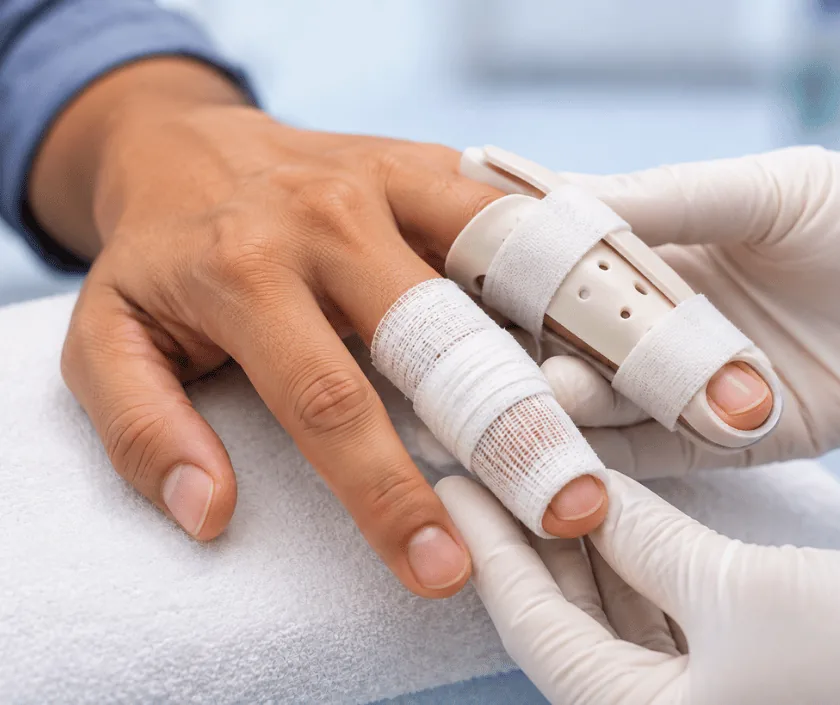
Options range from a dressing that lets a fingertip heal itself to moving a toe onto the hand to replace a missing thumb. Which one fits depends on how much has gone, whether bone or tendon is exposed, which digit is involved and what the person needs their hand to do. Sensation, length and a comfortable pain free stump often matter more in daily life than a finger that merely looks complete.
The plan follows the depth of the loss and which digit is affected, since the thumb carries far more of the function of a hand.
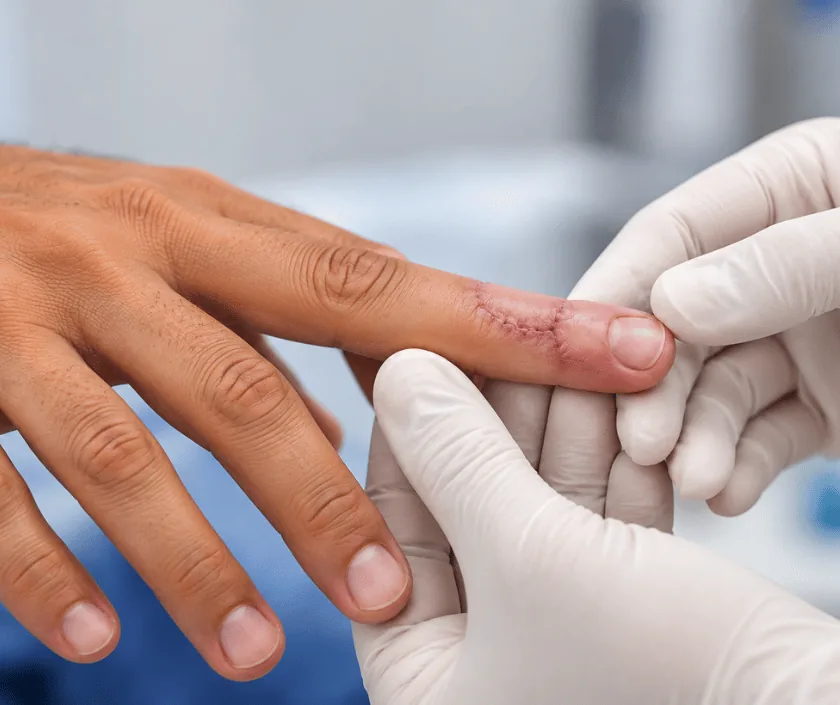
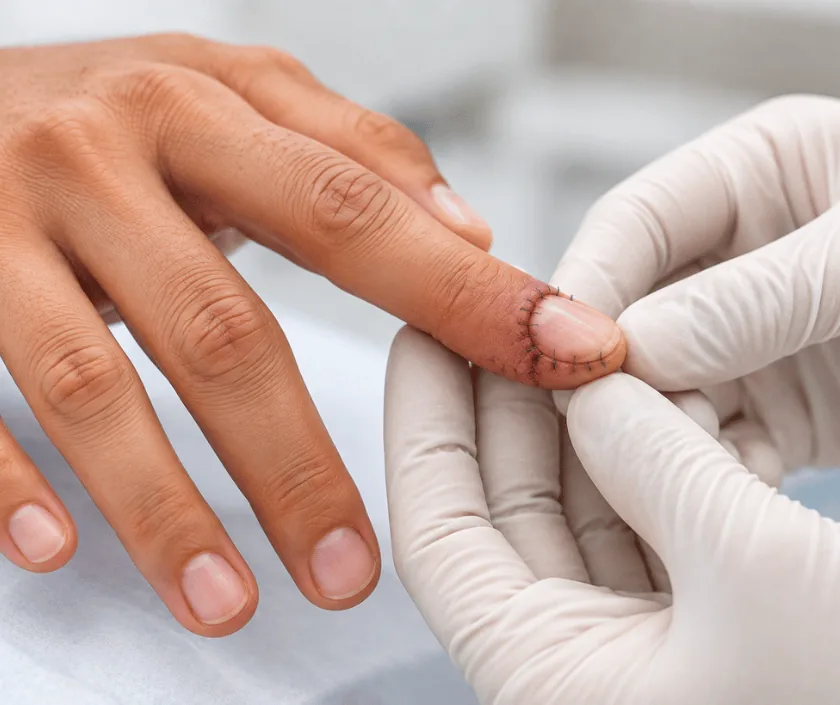
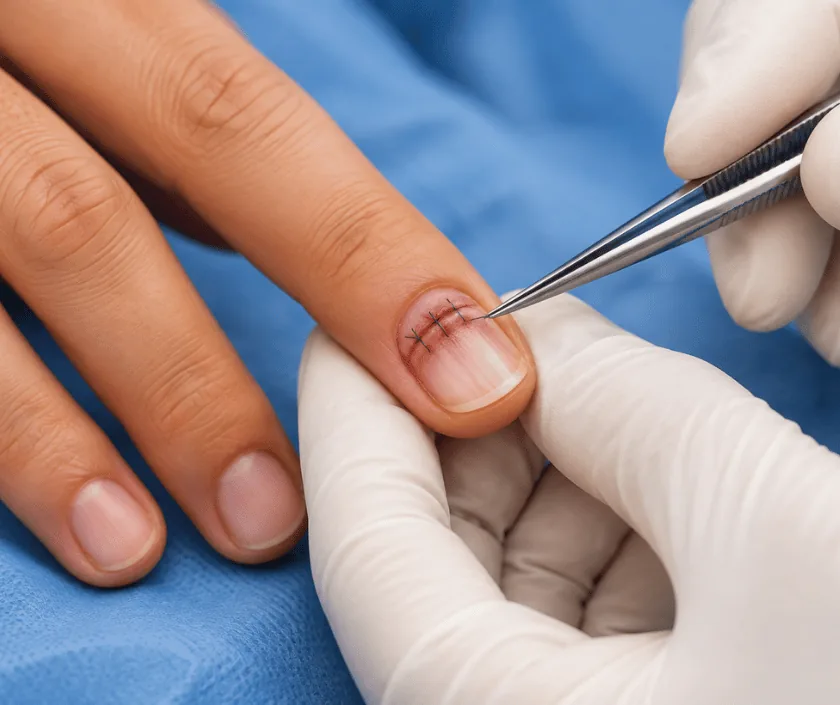
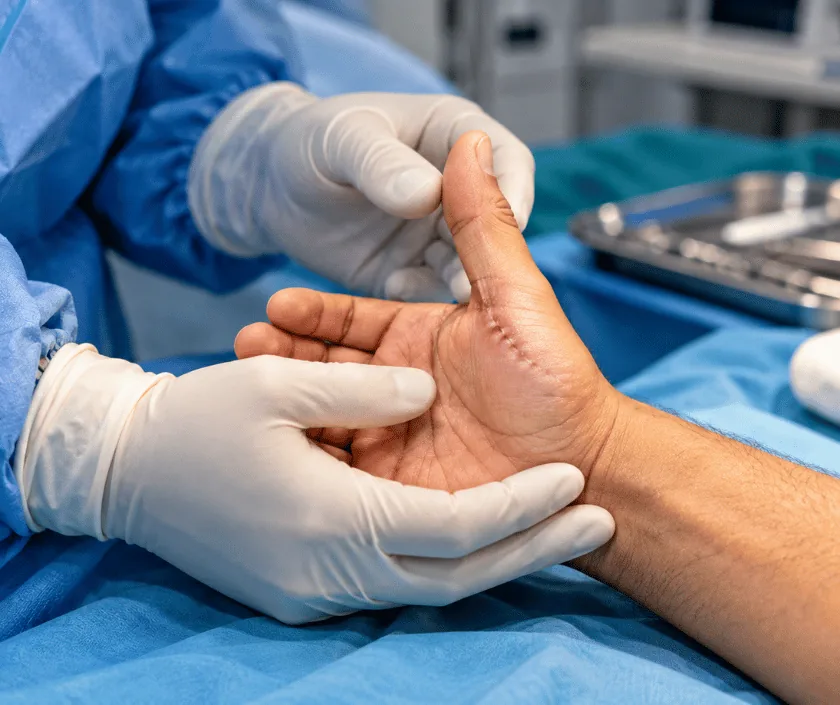
A hand with a stable thumb and one or two sensate digits does most daily tasks well. That is why surgeons focus on pinch and grip rather than counting fingers. Understanding this makes the choice between rebuilding and shaping a stump much clearer.
A toe can be moved to the hand with its vessels, nerves and tendons to replace a missing thumb. Walking is affected surprisingly little afterwards. The reconstructed digit grows feeling and movement over months, and looks like a toe rather than a thumb.
A finger that looks convincing but has no feeling tends to be left out of use. Flaps that carry their own nerve supply are therefore preferred at the tip. Many patients rate return of feeling as the most valuable part of their result.
Where surgery is not wanted or not possible, a custom made silicone finger can restore appearance and help with confidence at work and socially. It gives no feeling and limited function, so it complements rather than replaces reconstructive surgery.
Some findings after a finger injury need attention within hours rather than at the next clinic.
The questions below deal with cost, recovery, function and what results look like.
Ask your question →A local flap done as a day case is the least expensive option. Toe transfer and other microsurgical work involve theatre time, a hospital stay and therapy, so the figure is considerably higher. An itemised estimate is prepared once the plan has been agreed with you.
Most finger procedures are done with the arm numbed rather than under general anaesthesia, and are completed the same day. Infection, stiffness, altered feeling and a tender scar are the usual risks. Microsurgical transfers carry the added risk of flap failure.
Simple flaps heal within two to three weeks, followed by therapy for stiffness and sensitivity. Toe transfers need a hospital stay and months of rehabilitation. Return to manual work depends on which digit was treated and on how the hand is used.
Reconstructed digits usually look shorter or differently shaped, and transferred tissue keeps the character of where it came from. Most patients find the improvement in use and confidence worthwhile. Minor revisions to refine shape are sometimes done later.
Suitability depends on the level of loss, on healthy blood vessels in both hand and foot, on general fitness and on willingness to commit to long therapy. Walking is rarely a problem afterwards. Scans of the vessels are usually arranged first.
Quickly, ideally within a day or two. Fresh wounds offer options that close early and disappear later, particularly for the nail bed and for exposed bone. Older injuries can still be improved, but the surgery involved is generally larger.
The hand is examined for movement, feeling and blood supply, and photographs are taken. Your work and daily tasks are discussed, since these shape the goal. Options are explained with their stages and timelines before any decision is asked for.
